Lately, smart Light Switches have really changed the game when it comes to home automation. They're pretty amazing at merging tech with everyday life, you know? Now, you can turn the lights on or off just by talking to them, using your phone, or even setting up schedules—talk about convenience! Imagine walking into a room and having the lights automatically adjust without lifting a finger—that's the kind of stuff these little gadgets can do. But, honestly, not all smart switches are created equal. Some might give you a hassle with connectivity, and others can be pretty tricky to install, which can really test your patience. Picking out the right smart switch isn’t always straightforward; there's a lot to consider, and let's be honest, it can get pretty overwhelming. So, in this guide, I’m gonna help make the whole process a lot easier. Our goal is to help you find a smart switch that works well for your home, without all the fuss.
What Are Smart Light Switches and How Do They Work?
Smart light switches represent an innovative leap in home automation. They allow users to control lighting using smartphones or voice commands. These devices communicate through Wi-Fi or Zigbee, connecting seamlessly to smart home networks. According to a recent market analysis, the smart lighting market is projected to grow to $41 billion by 2026. This growth underscores the rising popularity of smart home technologies.
How do these switches function? They replace traditional switches yet retain manual control. Users download an app to control lights remotely. Features often include scheduling and dimming options. However, compatibility remains a concern. Not all switches work with every system. Some may need additional hubs, adding complexity to the setup.
Adopting smart light switches can enhance convenience. Yet, potential challenges exist. Security risks, such as hacking, may arise. Users should also consider their energy consumption. Despite these drawbacks, the market continues to thrive, indicating a strong interest in smart lighting solutions. Understanding the trade-offs is vital for informed decisions.
Smart Light Switch Features Comparison
Key Features to Look for in Smart Light Switches
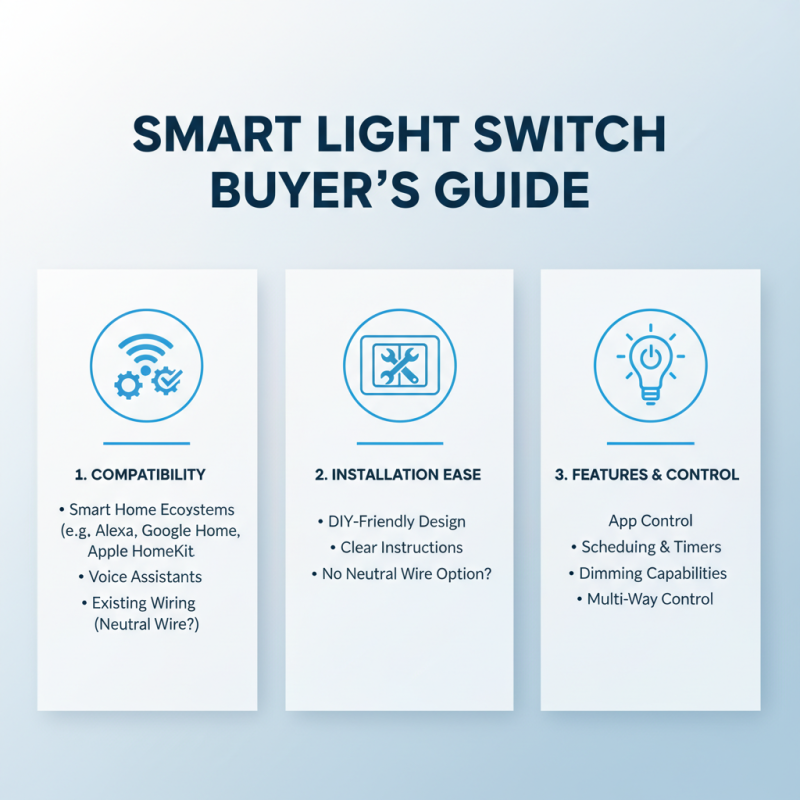
When choosing a smart light switch, consider several key features. Compatibility is vital. Make sure it works with your existing setup. Check if it integrates seamlessly with your smart home ecosystem or voice assistants. Also, look for an easy installation process. Some switches require a neutral wire; others don’t. Writing clear instructions helps.
User-friendliness matters too. A good smart light switch has a straightforward app. You should access features easily. Look out for customizable controls. Color and brightness adjustments can enhance your ambiance. Some switches also allow scheduling. Set your lights to turn on or off at specific times.
Here are some tips: Always read customer reviews. They can provide insights into real-world performance. Consider your home's wiring. An incompatible switch could create more hassle than benefit. Lastly, think about design. A sleek finish can complement your decor. Balancing style with functionality is key.
Comparison of Popular Smart Light Switch Brands
When choosing a smart light switch, comparing popular brands is crucial. Many options vary in features, designs, and functions. Some switches offer advanced automation, while others focus on simplicity. Look for user-friendly interfaces that blend well with your home decor.
Tips: Think about your needs. Do you want voice control? Or perhaps remote access? Assessing your priorities will help narrow your options.
Many brands emphasize energy efficiency. They allow you to monitor your usage. Some even integrate with smart home systems. However, not all connections are seamless. Check compatibility before settling on a choice.
Tips: Read user reviews. Experiences vary widely. Keep an eye out for consistent issues across different models. This may prevent future frustration.
Installation Process for Smart Light Switches: Step by Step
Installing smart light switches can enhance your home’s lighting control. It’s crucial to follow a clear process. Start by turning off the power at the circuit breaker. This is important for safety. Next, remove the old switch from the wall. Note how the wires are connected to avoid confusion later. According to a recent industry study, proper wiring techniques can reduce installation issues by over 30%.
Once the old switch is out, connect the smart switch. Typically, this involves connecting the hot, neutral, and ground wires. Make sure each connection is tight. A loose wire can lead to malfunction. After securing the wires, mount the switch in the box. It should fit snugly. Turn the power back on and test the switch. If it doesn’t work, double-check your connections. Mistakes can occur during this phase, so stay attentive.
Tips: Always read the product manual. It offers insights you might overlook. If you encounter issues, don’t hesitate to seek professional help. Remember, not all switches work with every type of bulb. Research compatibility before making a purchase. Embrace the learning curve; installation can be trial and error. Enjoy your new setup and the convenience it brings to your daily routine.
Understanding Smart Light Switch Compatibility with Home Systems
When choosing a smart light switch, compatibility with your home system is crucial. A recent report from the Consumer Technology Association reveals that 57% of homeowners desire seamless integration with existing devices. This statistic highlights the importance of ensuring that any smart switch works well with other smart home products.
Many smart switches support Wi-Fi, Zigbee, or Z-Wave protocols. However, not all switches support all protocols. This discrepancy can lead to frustration. Homeowners may find themselves purchasing a switch that doesn't connect to their smart hub. Research shows that about 30% of users experience compatibility issues.
Ensure your smart switch aligns with your current setup. Check your home network type and the range of supported devices. This consideration can save time and potential return hassles. Also, user reviews often indicate that installation complexity varies, so looking into that can be beneficial. Compatibility is often overlooked, so take the time to verify it.
Common Issues and Troubleshooting Tips for Smart Light Switches
Smart light switches can simplify home automation but come with their own set of challenges. One common issue is connectivity. Sometimes, they fail to connect to Wi-Fi. This can be frustrating. Check if your router is functioning well. Too far from the router? That might be a reason. Consider moving your switch or getting a signal extender.
Another frequent problem is unresponsiveness. You might tap the switch and see no action. Ensure the device is properly powered. Loose wires can cause this too. It's essential to regularly inspect your connections. Also, firmware updates are crucial. If the software is outdated, performance could suffer. Always keep an eye on the app for updates.
Finally, a mismatch with other smart devices might occur. Not all devices work seamlessly together. You may experience lag or delayed responses. Testing different configurations can help. Try resetting the switch if issues persist. Some users notice that certain settings need tweaking. Adjust sensitivity and timing for optimal use. Don't hesitate to experiment with settings until it feels right.
The Future of Smart Lighting: Trends to Watch in 2026
As we look towards 2026, smart lighting technology continues to evolve. This evolution brings new trends that will shape how we interact with our living spaces. One notable trend is the increasing emphasis on energy efficiency. More homeowners are looking for ways to reduce their carbon footprint. Smart light switches that can automate on/off functions based on occupancy will become more popular. This shift not only saves energy but can also lower electricity bills.
Another trend is the integration of smart light switches with other smart home devices. Imagine your lights syncing with your security system or your thermostat. These connections enhance convenience and security. However, users must consider compatibility issues. Not all devices work well together, which can lead to frustration. It's essential to research before investing in a fully interconnected system.
Personalization is also on the rise. People want their lighting to reflect their moods and routines. Smart light switches will offer customizable settings that cater to individual preferences. However, too many options can be overwhelming, leading to indecision. Users may struggle to find the ideal setup for their needs. Exploring the balance between customization and simplicity will be crucial in making the most of smart lighting technology in the coming years.
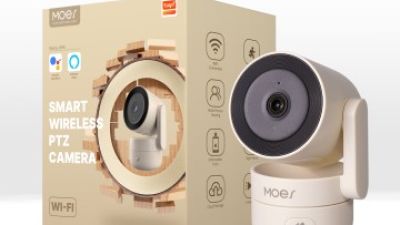
Enhancing Home Security with WiFi Indoor Smart Camera: A Guide to 4MP HD Night Vision and Detection Features
Enhancing home security has become an essential priority for many households, especially with the increasing prevalence of smart home technology. The integration of a WiFi indoor smart camera equipped with 4MP HD night vision and motion detection features offers homeowners a comprehensive solution to monitor their living spaces effectively. According to recent industry reports, the global smart home security market is projected to reach $58.68 billion by 2027, highlighting a growing demand for advanced security systems that provide both convenience and peace of mind.
The adoption of devices that feature quick-access collected sites allows users to effortlessly navigate to specific camera angles, enhancing situational awareness through improved visibility of key areas within the home. Motion and sound detection capabilities are pivotal; they enable immediate alerts when any unusual activity is detected, ensuring homeowners are quickly informed of potential threats. Moreover, the ability to monitor designated zones adds an additional layer of control, allowing users to focus surveillance efforts on vulnerable areas while minimizing unnecessary alerts from less critical parts of the home.
Advanced imaging technologies like Wide Dynamic Range (WDR) significantly improve visual clarity, even in challenging lighting conditions. Whether it’s bright sunshine or dimly lit rooms, WDR ensures that images remain sharp and comprehensible. Furthermore, smart linkage features allow for seamless connectivity with other smart devices, providing a holistic approach to home management and security. With these features combined, a WiFi indoor smart camera becomes not only a surveillance tool but also a vital component in creating a safe and responsive living environment.
FAQS
: The guide aims to provide useful tips and advice for various situations.
Start by prioritizing tasks and setting clear deadlines. Break larger projects into smaller tasks.
Self-reflection helps you understand your actions and decisions. It fosters personal growth and improvement.
Social media, emails, and chatty coworkers can interrupt focus. Consider using tools to minimize these distractions.
Practice active listening and clear expression. Engaging in conversations can enhance your communication over time.
Take short breaks to recharge. Discuss your feelings with someone you trust for support.
Yes, change takes time. Reflect on your habits and set realistic goals to make gradual changes.
Ensure your goals are specific and measurable. Write them down and track your progress regularly.
Change can be uncomfortable. It's normal to struggle; consistency is key to forming new habits.
Mistakes are part of learning. Reflect, adjust, and keep moving forward with your goals.
Conclusion
Smart light switches are innovative devices that allow users to control their home lighting through smart home systems, offering convenience and energy efficiency. This article delves into the key features to consider when selecting a smart light switch, such as compatibility with existing systems, ease of installation, and essential troubleshooting tips.
The installation process is straightforward and can be managed step-by-step, making it accessible to most homeowners. As technology evolves, understanding common challenges and the compatibility of smart light switches with various home automation systems is crucial. Looking ahead to 2026, the article also explores emerging trends in smart lighting, highlighting the growing importance of these switches in creating a more interconnected and energy-efficient home environment.