Lately, there's been a huge buzz around sustainable energy solutions, and Battery Inverters are definitely taking center stage. I mean, if you check out the Global Energy Storage Market Report by Navigant Research, it predicts that demand for energy storage systems is going to grow by about 18.6% annually from 2020 to 2025. That’s pretty impressive, right? It really shows just how vital Battery Inverters are when it comes to managing our energy flow. Basically, they take the DC power stored in batteries and convert it into AC power, which we use in our homes and industries.
What’s cool is that Battery Inverters don’t just make energy use more efficient—they also help us bring more renewable energy into the mix. Take Tesla’s Powerwall, for instance—it's become quite the household name when it comes to energy storage. Of course, like any tech, it’s not perfect. Some folks have mentioned problems with compatibility or performance, especially when the weather gets super hot or cold. Industry experts agree that there’s still a lot of work to be done—ongoing research is key to fixing these issues and making Battery Inverter Systems better.
As more people start looking into Inverter Battery Backup options, companies will need to keep innovating. This push toward energy independence isn’t just a trend—it’s a whole shift in how we think about and use electricity. Looking ahead, with more advancements on the horizon, Battery Inverters could soon become a must-have in every home, totally changing the way we generate and use energy around us.
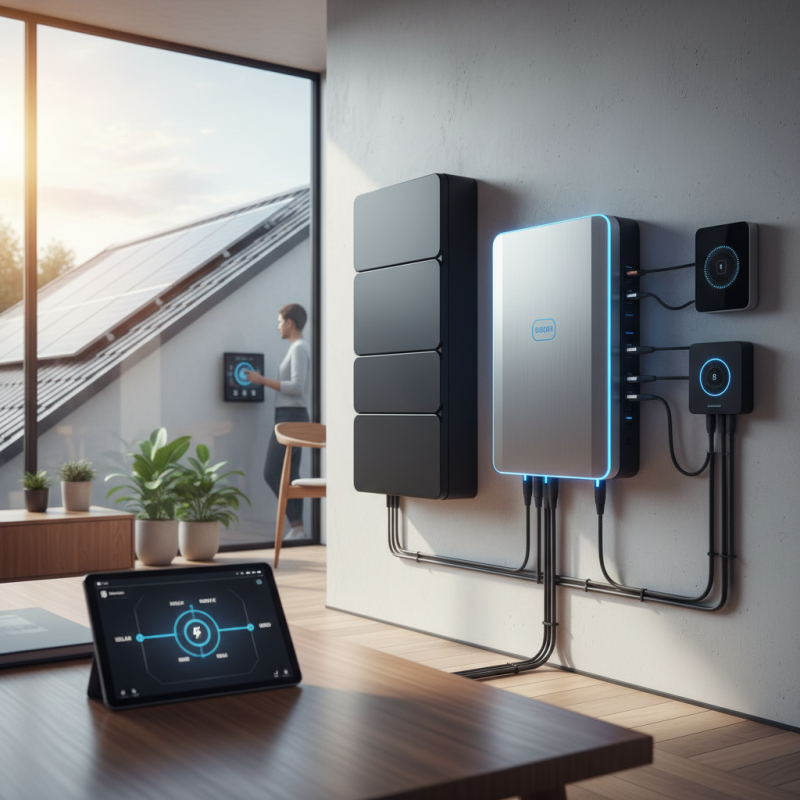
What is a Battery Inverter?
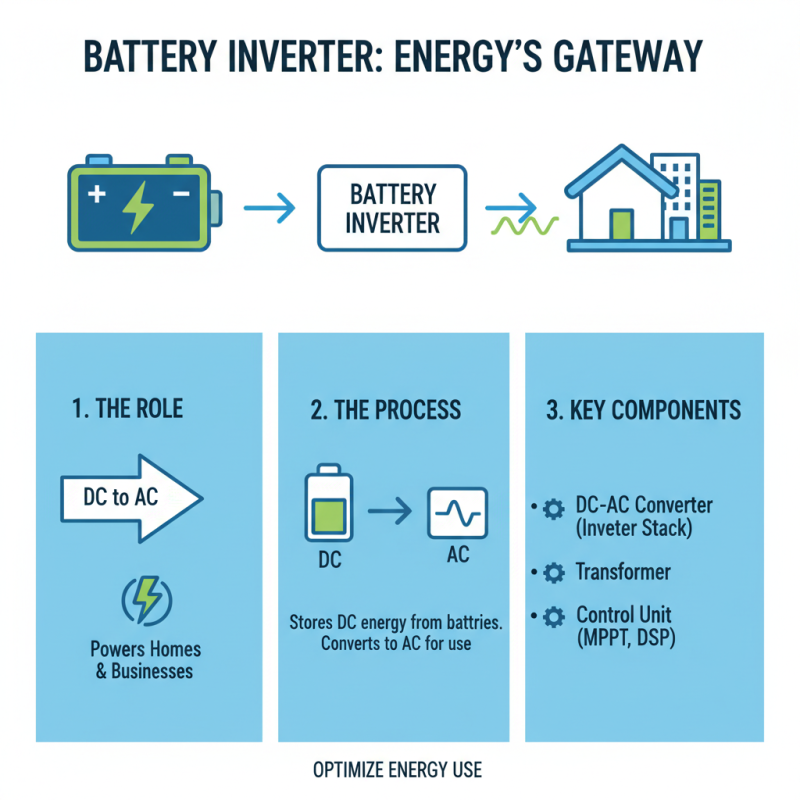
A battery inverter is a vital component in renewable energy systems. It converts direct current (DC) from batteries into alternating current (AC) for home usage. This device enables households to use stored energy, especially when solar production is low. According to a recent report by the International Renewable Energy Agency, the global solar power market has seen a growth of over 25% annually since 2019. This trend emphasizes the increasing importance of battery inverters in energy management.
Battery inverters vary in type. A Grid Tie Battery Inverter integrates with the electrical grid. It allows surplus energy to feed back into the grid. This creates a possible income stream for homeowners. However, the technology isn’t without flaws. Some users report inefficiencies in energy conversion rates. Studies reveal that the average efficiency hovers around 90%, meaning a small percentage of energy is lost during the process. This loss might not seem substantial but can accumulate over time.
Understanding the workings of battery inverters is essential. They not only provide backup power but also support renewable energy use. A significant challenge remains in their installation and compatibility with existing systems. Owners need to consider these factors carefully, as incorrect installation can lead to greater energy inefficiencies. Awareness of the technologies can empower consumers to make better decisions.
The Functionality of a Battery Inverter
A battery inverter plays a crucial role in converting direct current (DC) from batteries into alternating current (AC). This process allows appliances to utilize the stored energy from battery systems. When the sun shines or the wind blows, renewable energy can be captured and stored in batteries. The Inverter then enables this energy to power your home efficiently.
In a typical setup, a Home Ups Battery delivers backup power during outages. It ensures that critical devices like refrigerators and lighting remain functional. The inverter continuously monitors the energy source and decides when to switch to battery power seamlessly. There can be challenges, however. Some users report inefficiencies, causing energy losses. Settings may require adjustments to optimize performance for specific needs.
Understanding the intricacies of a battery inverter is essential. The choice of inverter impacts efficiency and system longevity. A well-functioning inverter should adapt to various loads without significant delays. Failing to fine-tune settings can hinder your home's energy management. By reflecting on these details, homeowners can make informed decisions and enhance their energy independence.
Types of Battery Inverters Available
Battery inverters play a crucial role in energy storage systems. They convert direct current (DC) from batteries into alternating current (AC) for home use. Understanding the types of battery inverters is essential for optimizing energy efficiency.
One common type is the grid-tied inverter. It connects the solar panels to the grid and allows energy storage during the day. The energy can be used at night. According to a recent report by the International Renewable Energy Agency, grid-tied systems accounted for over 80% of new installations in 2022. However, this setup does depend heavily on electricity availability. Many users are left with no backup during power outages.
Off-grid inverters provide another option. These inverters allow users to generate and store energy independently. They support systems like a WIFI smart camera Built-in Solar Battery. Data indicates an increase in off-grid system adoption, particularly in remote areas. Still, the costs can be high, and consumption patterns must be managed carefully.
Hybrid inverters combine both technologies. They can function with both grid-tied and off-grid systems. This flexibility appeals to many homeowners. Though they are versatile, their complexity may lead to installation challenges. Users might face confusion regarding configurations and troubleshooting. The market continues to grow, but potential buyers must weigh practicality against initial costs.
How Battery Inverters Convert DC to AC Power
Battery inverters play a crucial role in converting DC power from batteries to AC power. This process enables users to utilize stored energy for household appliances. Understanding how these inverters operate can enhance your energy efficiency.
Battery inverters employ a method called pulse width modulation. This technique transforms direct current (DC) into alternating current (AC). The inverter adjusts the voltage and frequency of the power output to match the needs of connected devices. As a result, appliances can operate smoothly without interruption.
Tip: Always check the inverter's specifications before use. Not all inverters handle high loads. Choose one that meets your energy consumption needs.
Familiarize yourself with the inverter settings. Some users may find them complicated. Incorrect settings can lead to poor performance. Understanding the inverter helps in maximizing efficiency.
Tip: Keep the inverter in a cool, dry place. Excess heat can decrease its lifespan. Regular maintenance checks ensure it runs optimally.
What is a Battery Inverter and How Does It Work?
| Feature | Description |
| Function | Battery inverters convert DC power from batteries into AC power for household appliances. |
| Input Voltage | Typically, the input voltage ranges from 12V to 48V DC, depending on the battery system. |
| Output Waveform | Can provide pure sine wave or modified sine wave output, depending on the inverter type. |
| Efficiency | Most battery inverters have an efficiency rating of 85-95%. |
| Cooling Method | Cooling can be achieved through passive convection, active fans, or liquid cooling systems. |
| Size | Inverter sizes vary widely, typically from small portable units to larger stationary systems. |
| Applications | Used in homes, RVs, boats, and for backup power applications. |
| Safety Features | Includes over-voltage protection, short-circuit protection, and thermal shutdown. |
Applications of Battery Inverters in Energy Systems
Battery inverters play a crucial role in modern energy systems. They convert direct current (DC) from batteries into alternating current (AC), which is used by most household appliances. This conversion is vital for integrating battery storage with renewable energy sources, like solar and wind. Without inverters, stored energy cannot be efficiently utilized.
In residential setups, battery inverters allow homeowners to store excess energy and use it later. This capability can reduce reliance on the grid during peak hours. However, not every installation operates flawlessly. Some systems may face compatibility issues or inefficient energy transfer. Users should assess their energy needs carefully.
In commercial applications, battery inverters help manage energy loads effectively. Businesses can save on energy costs by using stored power during high-demand periods. Yet, the complexity of these systems often leads to underutilization. Education on system capabilities is necessary for optimal use. Addressing these challenges can unlock the full potential of battery inverters in energy management.
Applications of Battery Inverters in Energy Systems
Benefits of Using Battery Inverters for Energy Storage
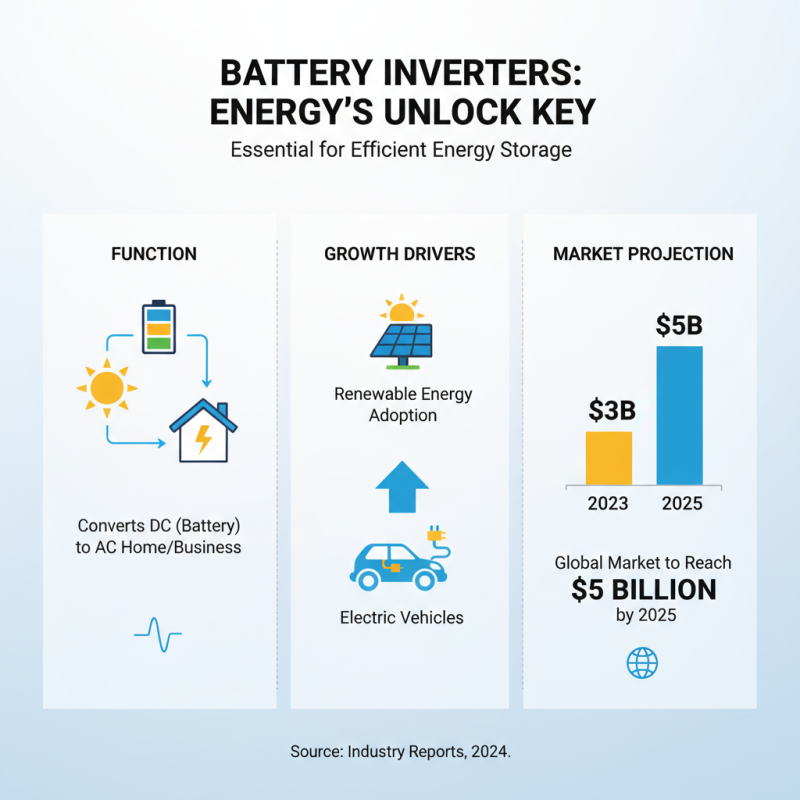
Battery inverters are essential for efficient energy storage systems. They convert direct current from batteries into alternating current for home and business use. The rise in renewable energy has made these devices increasingly important. According to industry reports, the global battery inverter market is expected to reach $5 billion by 2025. This growth reflects the increasing adoption of solar energy and electric vehicles.
Battery inverters provide numerous benefits for energy storage. They can enhance energy efficiency and reduce electricity bills. In areas with unreliable power supply, they serve as reliable backup systems. Many households now save about 30% on their energy expenses through effective energy management. Additionally, they allow solar energy users to store excess energy for later use. This ability is becoming more critical as energy demands increase.
However, not all systems are perfect. Some battery inverters may have installation challenges. Users often face difficulties in selecting the right inverter for their needs. The integration of these systems can be complex. Thus, understanding the technical aspects is crucial. For those keen on energy solutions, China Top Home Ups Battery Factory has become notable for its innovations in this space. Still, potential downsides need careful consideration.
Conclusion
A Battery Inverter is a crucial device that converts the direct current (DC) stored in batteries into alternating current (AC) for use by household appliances and the electrical grid. Various types of battery inverters are available, each catering to different energy needs and systems. The inverter's primary functionality lies in its ability to efficiently switch between energy sources, manage power conversion, and ensure a steady energy supply.
Key components of a battery inverter include the battery management system, control circuitry, and safety features, all working together to optimize performance and longevity. Battery inverters are widely used in renewable energy systems, such as solar power installations, where they facilitate energy storage and consumption. The benefits of using battery inverters extend to enhancing energy efficiency, providing backup power, and supporting sustainable energy practices, making them an essential element in modern energy solutions.