Lately, there's been a real buzz around finding more efficient ways to store energy. I mean, with everyone pushing for sustainable power sources and more renewable energy stuff, it makes sense. One tech that’s been gaining a lot of attention is LiFePO4 inverters. They’re pretty impressive—safe, durable, and high-performing, to be honest. I read a report from the International Renewable Energy Agency (IRENA) that says these lithium iron phosphate (LiFePO4) systems can last over 5,000 charge and discharge cycles, which is a huge leap compared to traditional lithium-ion batteries. That’s not just good news for your wallet, but also for the planet since it’s a greener option overall.
Dr. James M. Foster, who’s kind of a big name in energy storage, points out that “the thermal stability and electrochemical qualities of LiFePO4 really make a difference for both homes and businesses.” That kind of says it all—these inverters could really change the game by making energy management more reliable and efficient. As more industries and households start to feel the pressure to be more energy-efficient, adding LiFePO4 inverters into their systems seems like a smart move. They’re not just about better performance—they also help us move toward a more eco-friendly way of powering our lives.
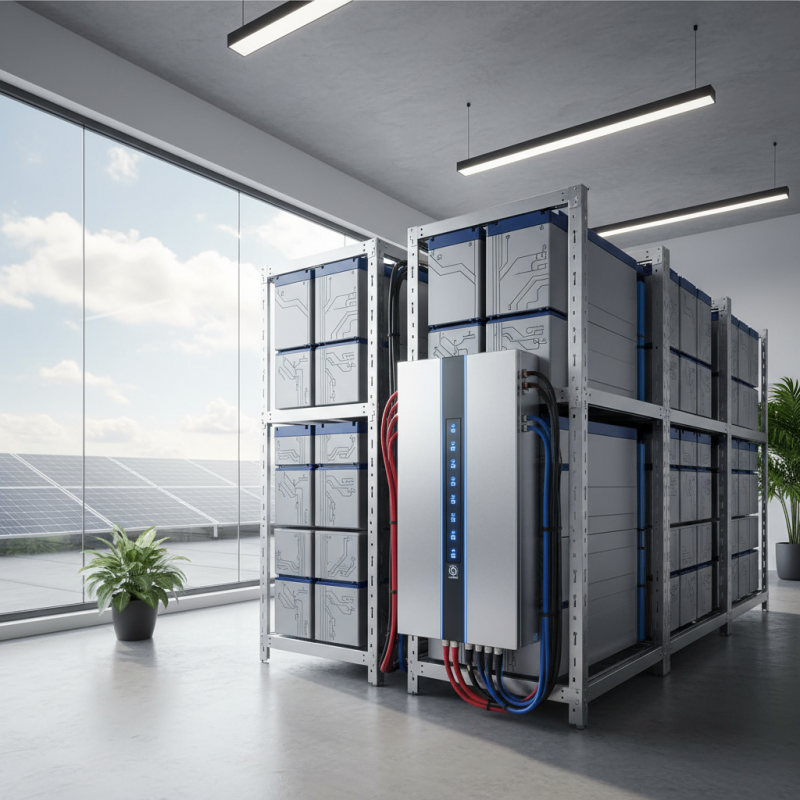
Understanding LiFePO4 Technology in Energy Storage Systems
LiFePO4 (Lithium Iron Phosphate) technology has emerged as a game-changer in energy storage systems, primarily due to its exceptional thermal stability and safety features. Unlike other lithium-ion batteries, LiFePO4 cells have an inherently safe chemical structure that minimizes risks associated with thermal runaway, making them highly suitable for both residential and commercial applications. This remarkable stability extends the lifecycle of the battery, allowing for more efficient energy usage over time. As more individuals and industries seek reliable energy solutions, understanding the benefits of LiFePO4 technology becomes crucial.
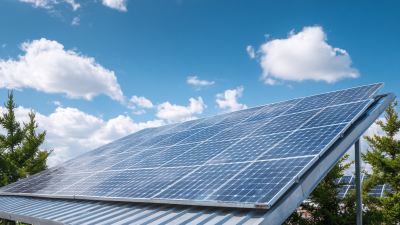
When integrating LiFePO4 inverters into your energy storage system, consider the following tips for optimization. Firstly, ensure proper ventilation around the batteries to maintain optimal temperatures and avoid overheating. Additionally, regular monitoring of state-of-charge and health can enhance performance and lifespan, allowing users to get the most out of their investment. Furthermore, opting for hybrid systems that combine solar panels with LiFePO4 inverters can greatly enhance energy efficiency, harnessing renewable sources while providing reliable backup power.
With the ongoing shift towards sustainable energy, LiFePO4 technology offers a viable solution for efficient energy storage. Its resilience, safety, and longevity make it an ideal candidate for modern energy systems, promising a brighter, more sustainable future for energy consumption.
Key Advantages of LiFePO4 Inverters for Energy Efficiency
LiFePO4 inverters stand out in the realm of energy efficiency due to their impressive thermal stability and long cycle life. These inverters utilize lithium iron phosphate chemistry, which enables them to operate safely and efficiently even under heavy loads. One of the key advantages of LiFePO4 inverters is their ability to maintain consistent performance over extended periods, minimizing energy loss during the conversion process. This characteristic not only optimizes the energy stored but also enhances the overall reliability of energy storage systems.
Another significant benefit of LiFePO4 inverters is their lightweight and compact design, making them ideal for various applications, from residential use to large-scale industrial systems. Their reduced physical footprint facilitates easier installation and integration into existing systems, promoting a more efficient energy management strategy. Additionally, these inverters are known for their low self-discharge rates, ensuring that more energy is available when needed. This combination of efficiency, safety, and convenience positions LiFePO4 inverters as a superior choice for anyone looking to harness renewable energy sources effectively.
Comparative Analysis: LiFePO4 Inverters vs. Traditional Inverters
LiFePO4 inverters are emerging as a superior choice in the energy storage sector, particularly when compared to traditional inverter technologies. The key differences stem from their chemistry and efficiency. According to a report by the International Renewable Energy Agency (IRENA), LiFePO4 batteries possess a higher thermal stability and a longer cycle life, averaging around 5,000 to 7,000 charge cycles compared to the 1,500 to 3,000 cycles of typical lead-acid batteries. This inherent longevity allows for reduced maintenance costs and increased return on investment over time.
In addition to longevity, LiFePO4 inverters also demonstrate better efficiency in energy conversion and utilization. Studies indicate that LiFePO4 systems can achieve over 95% efficiency in energy discharge, whereas traditional inverters often struggle to exceed 85%. This higher efficiency not only translates to better performance but also results in lower energy wastage, which is crucial for optimizing the overall energy storage strategy. Furthermore, the rapid adoption of renewable energy sources mandates inverters that can handle fluctuations effectively; LiFePO4 inverters, with their superior response times, are positioned to outperform traditional options in dynamic energy environments.
Safety and Stability: The Reliability of LiFePO4 Inverters
LiFePO4 (lithium iron phosphate) inverters have gained significant attention in the renewable energy sector due to their outstanding safety and stability characteristics. As highlighted by recent industry reports, LiFePO4 batteries exhibit a thermal stability that is notably superior to traditional lithium-ion options, reducing the risk of thermal runaway and subsequent fires. According to a 2021 study from the Electric Power Research Institute (EPRI), LiFePO4 batteries maintain stable electrochemical properties over a wide temperature range, providing a more dependable energy storage solution for both residential and commercial applications.
Moreover, the longevity and reliability of LiFePO4 inverters contribute to their growing popularity. Research from the National Renewable Energy Laboratory (NREL) indicates that LiFePO4 batteries can endure over 2000 charge-discharge cycles at moderate depths of discharge, significantly outperforming their lithium-ion counterparts, which typically offer around 1000 cycles. This extended lifecycle translates to a lower total cost of ownership over time and reduces the frequency of battery replacements. Consequently, homeowners and businesses utilizing LiFePO4 inverters can have greater confidence in their energy systems, knowing that they are investing in a solution designed for long-term stability and safety.
Top Benefits of LiFePO4 Inverters for Efficient Energy Storage Solutions
Cost-Effectiveness of LiFePO4 Inverters for Long-term Use
When considering energy storage solutions, the cost-effectiveness of Lithium Iron Phosphate (LiFePO4) inverters emerges as a significant advantage for long-term use. Compared to traditional lead-acid batteries, LiFePO4 batteries are known to have a longer lifespan, often exceeding 10 years with proper management. Industry reports indicate that while the upfront investment for LiFePO4 inverters may be higher, the total cost of ownership over time is substantially lower due to decreased replacement frequency and maintenance costs.
Additionally, LiFePO4 inverters demonstrate superior energy efficiency. According to a report by insert research firm, they operate with a round-trip efficiency rating of 90% to 95%, significantly higher than lead-acid counterparts, which usually hover around 70% to 80%. This efficiency not only translates into less energy wasted during charging and discharging cycles but also leads to reduced energy costs for consumers. Over the lifespan of The Inverter, this efficiency can result in substantial savings, making LiFePO4 a financially sound choice for bothresidential and commercial users seeking sustainable energy solutions that yield long-term economic benefits.
Environmental Impact and Sustainability of LiFePO4 Technology
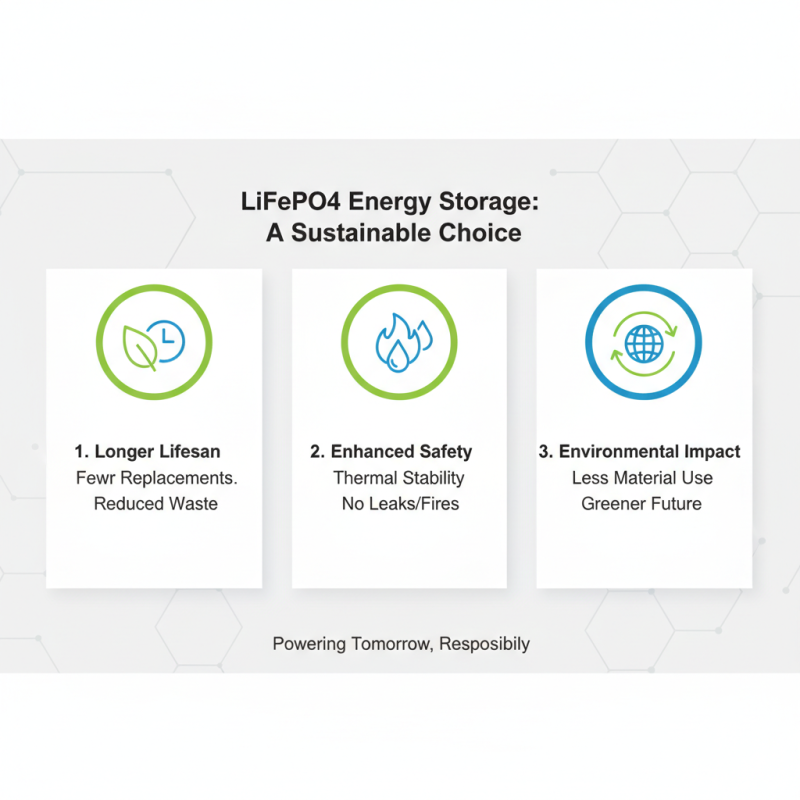
The adoption of LiFePO4 technology in energy storage solutions significantly contributes to sustainability and environmental impact reduction. Unlike traditional lead-acid and lithium-ion batteries, LiFePO4 batteries have a longer lifespan, greater thermal stability, and enhanced safety features. This longevity results in fewer battery replacements, reducing waste and the need for raw materials over time. Moreover, their stability lessens the risk of fires and leaks, which can further harm the environment.
In addition, the materials used in LiFePO4 batteries are more eco-friendly. Iron phosphate, the core component, is abundant and non-toxic compared to other lithium compounds. As the demand for renewable energy sources grows, incorporating LiFePO4 in systems like solar energy storage helps in creating a more sustainable energy ecosystem. This technology not only optimizes energy efficiency but also plays a crucial role in decreasing the carbon footprint associated with energy storage, reinforcing a commitment to preserving our planet for future generations.
Future Trends in LiFePO4 Inverter Technologies and Applications
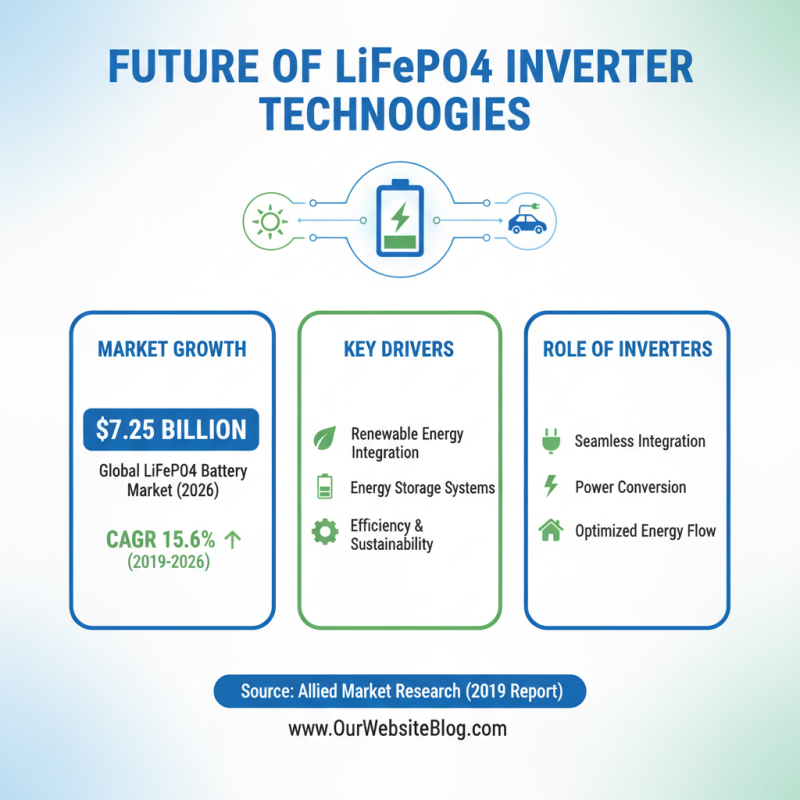
The future of LiFePO4 inverter technologies is poised for remarkable advancements, driven by the increasing demand for efficient and sustainable energy storage solutions. As per the recent report by Allied Market Research, the global lithium iron phosphate battery market is expected to reach $7.25 billion by 2026, growing at a CAGR of 15.6% from 2019. This surge is largely attributed to the growing interest in renewable energy applications and energy storage systems, highlighting the critical role that LiFePO4 inverters will play in integrating these technologies seamlessly.
Current trends indicate that LiFePO4 inverters will increasingly incorporate advanced features such as smart grid compatibility and enhanced energy management systems. The International Energy Agency (IEA) suggests that the world will need more than 4,000 GWh of energy storage capacity by 2040 to support the anticipated rise in renewable energy generation. As a result, innovations such as modular inverter design and real-time monitoring will become vital, ensuring that energy storage solutions are not only efficient but also flexible enough to meet diverse consumer needs.
Moreover, the evolution of LiFePO4 inverter technology is expected to focus on improving efficiency and lifespan, with some estimates suggesting that these inverters can achieve an efficiency rating of up to 98%. Future applications may extend beyond traditional residential and commercial uses to include mobile energy systems and electric vehicle integration, underscoring the versatility of LiFePO4 inverters in the global push for sustainable energy solutions.
Maximizing Off-Grid Energy: The Benefits of 1000W and 2000W Pure Sine Wave Inverters for RV Solar Systems
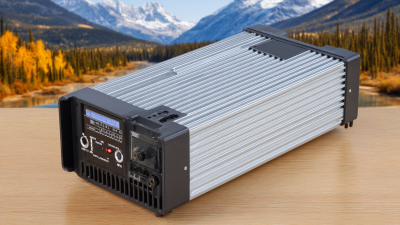
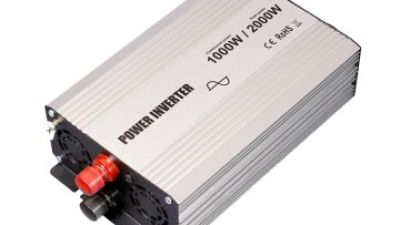
When it comes to off-grid energy solutions, the choice of inverter plays a crucial role in maximizing the efficiency of RV solar systems. Two popular options in this domain are the 1000W and 2000W pure Sine Wave Inverters. These devices not only convert DC power from solar panels to AC power for household appliances but also offer additional functionalities that can greatly enhance the overall user experience. Pure sine wave inverters are particularly beneficial because they provide cleaner power, which is essential for sensitive electronics commonly found in RVs, such as laptops and medical devices.
A multifunctional inverter/charger that integrates the roles of An Inverter, solar charger, and battery charger is ideal for RV users looking for portable uninterruptible power supply support. According to industry data, systems that offer comprehensive features such as remote monitoring, configurable settings for battery charging current, and fault alerts significantly improve system management efficiency. This is especially pertinent for those who rely on solar power while living or traveling in an RV, where reliable energy access is vital.
With comprehensive LCD displays, the latest inverters allow users to easily access information on their energy consumption and adjust settings based on their specific needs. Reports suggest that solar systems equipped with such advanced inverters can achieve up to 30% higher efficiency compared to traditional systems, providing a sustainable and robust power solution for any off-grid adventure. By investing in 1000W or 2000W pure sine wave inverters, RV owners can ensure they are maximizing their off-grid energy capabilities.
FAQS
: LiFePO4 technology refers to lithium iron phosphate batteries known for their exceptional thermal stability and safety features, making them a reliable choice for both residential and commercial energy storage solutions.
The inherent safety of LiFePO4 chemistry minimizes risks associated with thermal runaway, extending the lifecycle of the battery and allowing for more efficient energy usage over time.
It is essential to ensure proper ventilation to avoid overheating, regularly monitor the state-of-charge and health of the system, and consider hybrid systems that include renewable energy sources for optimal performance.
LiFePO4 inverters provide impressive thermal stability and long cycle life, maintaining consistent performance even under heavy loads, which minimizes energy loss during conversion and optimizes stored energy.
Their design allows for easier installation and integration into existing systems, making them suitable for diverse applications, from residential setups to large-scale industrial systems.
With low self-discharge rates and efficient performance, LiFePO4 inverters ensure that more energy is available when needed, positioning them as a smart choice for harnessing renewable energy sources effectively.
The chemical structure of LiFePO4 batteries inherently reduces the risks of thermal runaway, enhancing safety during operation and management in energy storage systems.
Yes, integrating LiFePO4 technology with solar panels in hybrid systems can significantly enhance energy efficiency while providing reliable backup power options.
LiFePO4 technology is known for its superior thermal stability, safety, and long lifespan, making it a more reliable option compared to other lithium-ion battery technologies.
The resilience, safety, and longevity of LiFePO4 technology promise a sustainable future for energy consumption by effectively supporting the shift towards renewable energy solutions.
Conclusion
LiFePO4 Inverters have emerged as a key technology in efficient energy storage solutions, offering several significant benefits over traditional Inverter Systems. Understanding LiFePO4 technology reveals its superior performance characteristics, including enhanced energy efficiency and longevity, which are pivotal in modern energy applications. The comparative analysis highlights that LiFePO4 Inverters not only outperform conventional models in safety and stability but also exhibit a remarkable cost-effectiveness for long-term use.
Moreover, the environmental impact of LiFePO4 technology underscores its sustainability, making it a favorable choice for eco-conscious consumers. Future trends suggest an increasing adoption of LiFePO4 Inverters across various applications, driven by continuous advancements in technology. Overall, LiFePO4 Inverters represent a promising solution for both residential and industrial energy systems, aligning with the growing demand for reliable and sustainable energy storage options.