As we dive deeper into the tech world of 2025, it’s pretty clear that Zigbee Smart Home tech is really changing how we live. This cool wireless protocol lets all your smart devices chat with each other effortlessly—making life more convenient, secure, and energy-efficient. Honestly, what’s great about Zigbee systems is how they enable devices from different brands to work together smoothly. That means you can custom-build your smart home setup to fit exactly what you need, without the hassle.
Now, the perks of using Zigbee are pretty awesome. For one, devices playing nicely together creates a seamless smart home experience—making your day-to-day routines a lot easier and more efficient. Plus, Zigbee doesn’t eat up much power, so your battery-powered gadgets last longer, which is a win for both your wallet and the planet. Looking ahead, it’s pretty obvious that Zigbee isn’t just some passing fad. It’s a smart, sustainable way to keep up with the changing demands of modern households and home automation overall.

Overview of Zigbee Technology and Its Evolution in Smart Homes
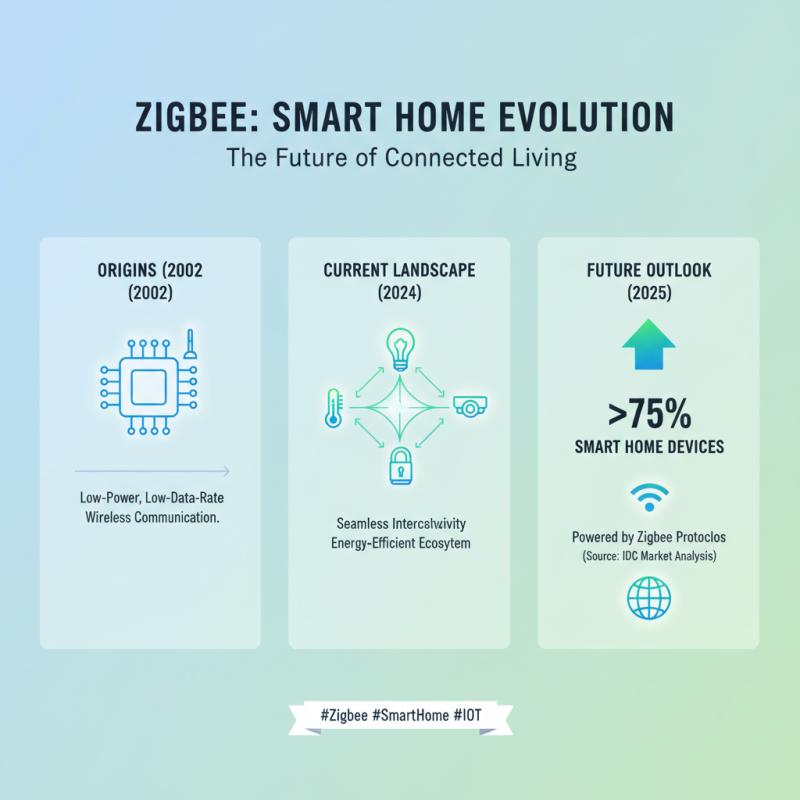
Zigbee technology has become a cornerstone of smart home evolution, enabling seamless interconnectivity among various devices in an increasingly digital living environment. Originally introduced in 2002, Zigbee was designed to facilitate low-power, low-data-rate wireless communication. By 2025, it is anticipated that over 75% of Smart Home Devices will operate using Zigbee protocols, according to a recent market analysis by the International Data Corporation (IDC). This growth reflects a significant shift in consumer preferences towards a cohesive and energy-efficient smart home ecosystem.
As Zigbee technology continues to evolve, its ability to support a vast array of devices—from lighting systems to security cameras—makes it an appealing choice for homeowners looking to enhance automation and energy management. A report from Statista highlights that smart home device installations are projected to exceed 1.4 billion units by 2025, with Zigbee standing out due to its robust mesh networking capability. This feature allows devices to communicate over longer distances without compromising performance, thereby expanding the range and reliability of smart home configurations. Furthermore, Zigbee's interoperability standards ensure that devices from different manufacturers can work together seamlessly, fostering an inclusive environment for modern living.
Key Features that Define Zigbee in Modern Smart Home Systems
Zigbee technology has emerged as a cornerstone of modern Smart Home Systems in 2025, primarily due to its energy efficiency and robust connectivity. One of the defining features of Zigbee is its mesh networking capability, which allows devices to communicate with each other over long distances and through obstacles. This distributed network ensures that signals can be relayed from one device to another, expanding the range and reliability of the home automation network. As a result, users can control a wide array of devices seamlessly, including lighting, climate control, and security systems, all from a single interface.
Another key aspect of Zigbee technology is its focus on low power consumption, making it ideal for battery-operated devices. This efficiency not only prolongs battery life but also contributes to a more sustainable smart home environment. Furthermore, Zigbee supports numerous devices simultaneously without significant latency, making it suitable for homeowners looking to integrate a diverse range of smart gadgets. As security remains a critical concern in smart home technology, Zigbee also offers strong encryption and authentication protocols, ensuring that users' data and privacy are well-protected. This combination of connectivity, energy efficiency, and security solidifies Zigbee's position at the heart of modern smart home innovations.
Benefits of Energy Efficiency through Zigbee Home Automation
Zigbee smart home technology is revolutionizing energy efficiency in the modern living space, particularly as we move into 2025. This protocol enables seamless communication between various smart devices, creating a cohesive ecosystem that contributes to reduced energy consumption. According to a report by the International Energy Agency (IEA), homes equipped with smart technologies can achieve energy savings of up to 30%. With the integration of Zigbee, homeowners have greater control over energy use, allowing them to monitor and adjust appliance settings in real-time, which directly leads to a decreased carbon footprint.
Tips for maximizing energy efficiency with Zigbee include setting schedules for devices such as smart thermostats and lighting systems. For instance, programming your heating to lower temperatures during off-peak hours can significantly reduce energy waste. Another effective method is utilizing motion sensors connected via Zigbee, which can automatically turn off lights in unoccupied rooms, further contributing to lower energy bills.
The economic impact of adopting Zigbee-enabled devices also highlights their potential benefits. A study from the Consumer Technology Association (CTA) suggests that smart home technology, including Zigbee systems, could save homeowners approximately $500 annually through energy-efficient practices. Embracing Zigbee automation not only fosters sustainable living but presents a practical approach to managing household expenses while improving overall convenience.
Enhancing Security Measures with Zigbee-Enabled Devices
The rise of Zigbee smart home technology in 2025 is fundamentally transforming the landscape of home security. With its robust wireless communication protocol, Zigbee enables seamless integration of various smart devices, allowing homeowners to enhance their security measures effectively. Zigbee-enabled security systems offer features such as real-time alerts, remote monitoring, and automated responses to potential threats, all of which contribute to a safer living environment.
To maximize the benefits of Zigbee in your home, consider implementing a multi-layered approach to security. For instance, pairing motion detectors with door/window sensors can provide comprehensive coverage and quick responses to any suspicious activity. Additionally, utilizing smart cameras that integrate with Zigbee networks ensures that you can monitor your property from anywhere, giving you peace of mind even when you’re away.
Tip: Make sure to regularly update the firmware of your Zigbee devices to protect against vulnerabilities, and set up strong, unique passwords for each device to prevent unauthorized access. Another effective strategy is to create a routine for your security devices, such as scheduling lights to simulate your presence at home, which can deter potential intruders.
By taking these steps, you can fully leverage the power of Zigbee technology for enhanced security in your smart home.
Interoperability: How Zigbee Connects Diverse Smart Home Products
Zigbee smart home technology is rapidly gaining traction in modern living due to its exceptional interoperability, allowing diverse smart home products to seamlessly communicate with one another. This capability is critical in an era where homeowners seek a cohesive and streamlined smart experience. Zigbee operates on a low-power mesh networking protocol, which facilitates communication between devices, regardless of their manufacturer or specific function. As a result, users can easily integrate lighting, heating, security systems, and entertainment devices into a unified ecosystem, eliminating the frustration of compatibility issues commonly faced with other technologies.
In 2025, the implementation of Zigbee technology is expected to enhance the functionality of smart homes significantly. The ability for devices to operate together creates an intelligent environment that can respond to specific user needs dynamically. For example, a homeowner could set a scene where the lights dim, the thermostat adjusts, and the security system arms itself—all triggered by a single command or the detection of specific conditions. This interoperability not only provides convenience but also boosts energy efficiency and security, transforming the way people interact with their living spaces. By fostering collaboration between various smart devices, Zigbee is paving the way for more intuitive and effective smart home solutions that cater to the demands of modern life.
Top Benefits of Zigbee Smart Home Technology in 2025
This bar chart illustrates the key benefits of Zigbee smart home technology in 2025, highlighting its interoperability in connecting diverse smart home products.
User Experience: Simplifying Home Management with Zigbee Technology
Zigbee smart home technology is transforming the way we manage our living spaces, especially as we advance into 2025. One of the key advantages of using Zigbee is its ability to simplify home management through interconnected devices. According to a recent industry report by Statista, the global market for smart home devices is expected to grow to over $175 billion by 2025, with Zigbee protocol representing a significant portion due to its energy efficiency and reliability. With a focus on user experience, Zigbee allows homeowners to easily control lighting, security systems, and appliances with a single interface, fostering an intuitive home management experience.
Tips for optimizing your Zigbee smart home include ensuring your devices are all compatible with the Zigbee protocol to enhance connectivity and reduce issues with network interference. Additionally, consider setting up automation routines that respond to specific triggers, such as your arrival home or scheduled times during the day, which can streamline everyday tasks. A 2023 survey found that over 60% of smart home users reported a notable decrease in energy consumption when utilizing Zigbee technology for automated lighting and heating solutions.
Furthermore, creating a mesh network with Zigbee devices allows seamless communication across greater distances within your home, making it ideal for larger spaces. Remember to regularly update your smart home system’s firmware; a study revealed that maintaining firmware updates can improve security and functionality, ensuring your system runs smoothly while providing a superior user experience. This centralized control fosters not just ease of management but also enhances the overall quality of modern living.
Future Trends: What to Expect from Zigbee Smart Home Solutions in 2025
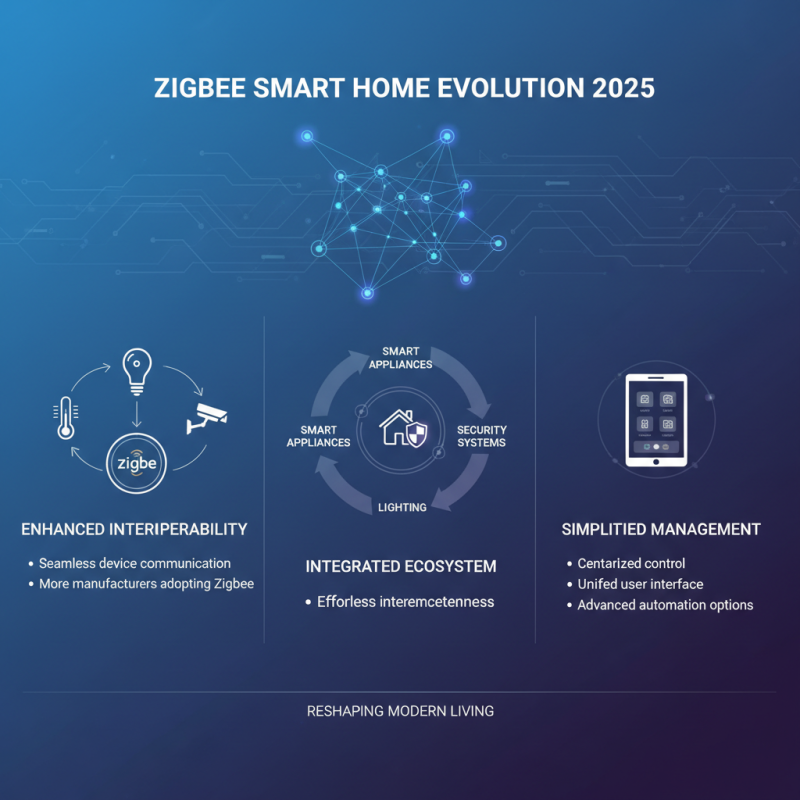
The evolution of Zigbee smart home technology continues to reshape the landscape of modern living, especially as we approach 2025. One of the most anticipated trends is the enhancement of interoperability among devices. As more manufacturers adopt Zigbee protocols, homeowners can expect a seamlessly integrated ecosystem where smart appliances, security systems, and lighting all communicate effortlessly. This interconnectedness will not only improve user experience but also simplify the management of smart homes, providing users with centralized control and automation options through a single interface.
Another significant trend for 2025 is the emphasis on energy efficiency and sustainability. Zigbee technology inherently allows for low-energy consumption, which aligns perfectly with the increasing demand for eco-friendly living solutions. Innovations in sensor technology and energy monitoring will enable homeowners to monitor and optimize their energy usage in real-time, reducing waste and cutting costs. Furthermore, as smart homes become more intuitive, they will likely feature advanced algorithms that learn user behaviors, automatically adjusting settings to improve energy efficiency without sacrificing comfort. This eco-conscious approach not only benefits the environment but also appeals to the growing demographic of environmentally aware consumers seeking to minimize their carbon footprint.
Optimizing Off-Grid Energy Solutions: Insights from Recent Market Reports on MOES WiFi Smart Hybrid Solar Inverter Technologies
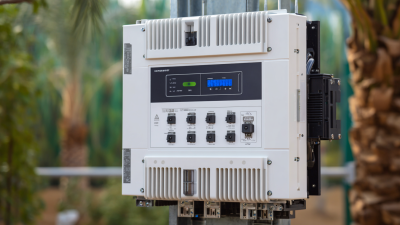
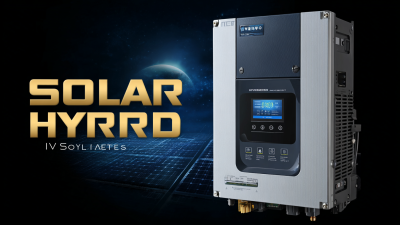
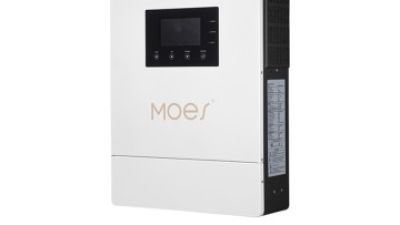
The optimization of off-grid energy solutions has become increasingly crucial as more individuals and businesses seek sustainable energy alternatives. Recent market reports have shed light on advanced technologies in the realm of hybrid solar inverters, particularly those integrating WiFi capabilities. These multifunctional devices not only serve as inverters but also combine the roles of solar chargers and battery chargers. Their portable design ensures that users have access to uninterrupted power supply, essential for both everyday activities and critical operations in remote areas.
A standout feature of these smart hybrid solar inverters is their comprehensive LCD display, which simplifies user interaction through easily configurable options. Users can adjust settings such as battery charging current and AC charger priority, allowing for tailored energy management based on specific needs. The integration of WiFi technology further enhances user experience by enabling remote monitoring and control. This connectivity provides valuable insights into power consumption and battery performance, while also facilitating prompt fault alerts, thereby improving overall system reliability.
With their versatile applications, these inverters are perfectly suited for diverse environments, including residential homes, commercial establishments, and industrial facilities. By leveraging such innovative technologies, users can optimize their energy consumption and contribute to a more sustainable future, effectively harnessing the power of the sun while maintaining the convenience of modern energy management systems.
FAQS
: Zigbee technology is a low-power, low-data-rate wireless communication protocol designed to enable seamless interconnectivity among various smart home devices, facilitating automation and energy management.
It is anticipated that over 75% of smart home devices will operate using Zigbee protocols by 2025, reflecting a significant shift towards cohesive and energy-efficient smart home ecosystems.
Zigbee technology can lead to energy savings of up to 30% by enabling real-time monitoring and control of appliances, allowing homeowners to optimize their energy use and reduce their carbon footprint.
Homeowners can maximize energy efficiency by setting schedules for devices like smart thermostats and using motion sensors to automatically turn off lights in unoccupied rooms, thus reducing energy waste.
According to studies, utilizing Zigbee-enabled devices can save homeowners approximately $500 annually through energy-efficient practices, leading to practical management of household expenses.
Future trends include enhanced interoperability among devices, greater emphasis on energy efficiency, innovations in sensor technology, and advanced algorithms that optimize energy usage based on user behavior.
Enhanced interoperability will allow smart appliances, security systems, and lighting to communicate effortlessly, simplifying management and providing users with centralized control and automation options.
Zigbee technology's inherent low-energy consumption aligns with the growing demand for sustainable living solutions, allowing homeowners to monitor and optimize energy usage while reducing waste.
Yes, as Zigbee technology evolves, smart homes are expected to incorporate advanced algorithms that learn user behaviors, adjusting settings automatically to enhance energy efficiency and comfort.
Zigbee's robust mesh networking capability allows devices to communicate over greater distances without losing performance, improving reliability and expanding the range of smart home configurations.
Conclusion
Zigbee Smart Home technology is poised to revolutionize modern living by offering a cohesive and efficient way to manage home automation. This article explores the evolution of Zigbee, highlighting its key features that contribute to energy efficiency, enhanced security, and improved interoperability among various smart home devices. By seamlessly connecting diverse products, Zigbee ensures that users can streamline their home management, simplifying everyday tasks and optimizing energy consumption.
As we look ahead to 2025, the future trends in Zigbee Smart Home solutions indicate a significant shift towards greater user experience and innovation. With ongoing advancements, Zigbee technology not only enhances the functionality of smart homes but also empowers homeowners to create tailored environments that cater to their specific needs. The integration of such technology represents a major leap towards efficient and secure living spaces in contemporary households.