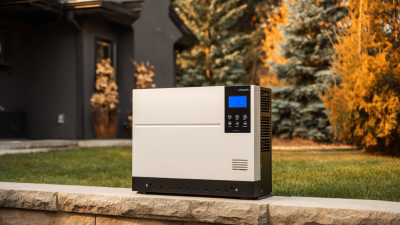
Nowadays, power outages can really throw a wrench into your daily routine. That's where a reliable home backup inverter can make all the difference. These little gadgets can keep your lights on, charge up your gadgets, and run some essential appliances so you're not left in the dark. You’ll find a ton of options out there, so it can be pretty overwhelming.
Brands like Goal Zero and Renogy are pretty popular and offer solid inverters. They each have their own unique features, though, so no one-size-fits-all here. Picking the right home Backup Inverter isn’t just about grabbing the cheapest one; you’ve gotta think about what actually suits your household. Things like capacity, efficiency, and price are key factors you should really consider.
Some inverters might seem like a good deal upfront, but honestly, the long-term performance and reliability matter way more. It’s all about understanding what you really need so you don’t overspend or end up with something that doesn’t perform well when it counts. The market’s pretty crowded right now, so taking the time to make an informed choice is super important.
Bottom line? A good home backup inverter isn’t just a gadget—it's an investment in your peace of mind during those annoying blackouts.
Understanding Home Backup Inverters: A Comprehensive Guide
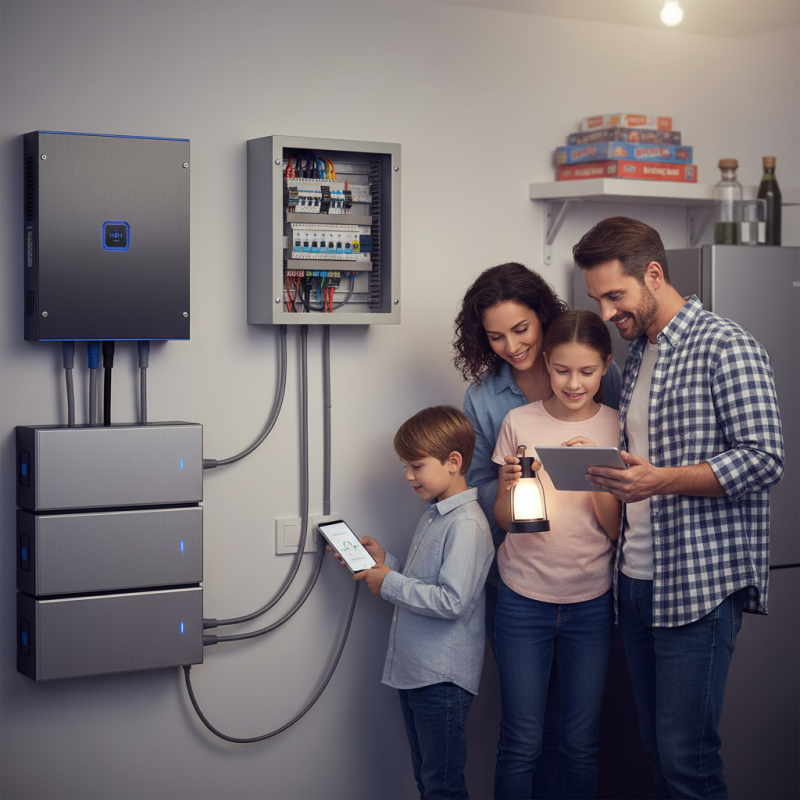
When choosing a home backup inverter, it's essential to understand how these devices work. A Backup Power Inverter converts DC electricity from batteries into AC electricity. This is crucial for powering everyday appliances during outages. They come in various sizes and capacities, tailored for different needs.
When selecting a Backup Power Inverter, consider thepower rating. Calculate the wattage of the devices you want to run. It’s easy to underestimate your needs. Many users regret not choosing An Inverter with a higher capacity. It’s wise to account for future power demands too.
Tips: Always check the efficiency rating of the inverter. Some can waste energy during the conversion. Look for features like automatic transfer switches. These can make using your backup power inverter seamless.
Another aspect to ponder is battery compatibility. Not all inverters work with all battery types. This mismatch can lead to performance issues. While researching, remember to read user reviews. They can reveal insights on long-term reliability and common pitfalls.
Key Features to Consider When Choosing a Backup Inverter
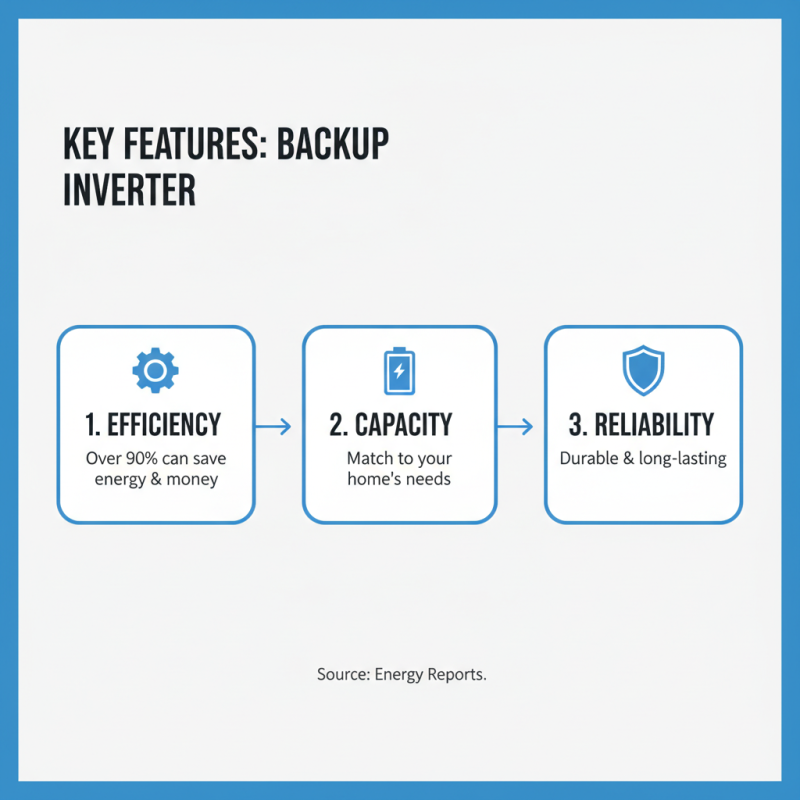
When choosing a backup inverter for your home, several key features must be considered. Efficiency stands out as a crucial factor. An inverter’s efficiency can significantly affect energy consumption. Reports indicate that high-efficiency models exceed 90%, which can lead to savings over time.
Another important aspect is the inverter's capacity. It must match your power needs. Typical household systems may require inverters ranging from 1 kW to 5 kW. Oversizing can lead to wasted power. Conversely, undersizing might not support all appliances during an outage.
Mobility is often overlooked but matters greatly. If you plan to relocate the inverter, consider its weight and dimensions. Some models are surprisingly lightweight. However, their capabilities can be limited. User reviews frequently mention difficulty in installations. This can pose challenges, especially for those without technical skills. Investing in an inverter that offers ease of use and reliable performance is crucial.
Top Backup Inverter Brands to Watch in 2026
As we approach 2026, choosing the right backup inverter is crucial for homeowners. Several brands are emerging as frontrunners in the market, focusing on efficiency and reliability. A recent industry report indicates that the Inverter Battery Backup market is projected to grow by 8% annually. This growth highlights the increasing need for home power solutions, especially in areas prone to outages.
Leading brands have been investing in advanced technologies. They focus on providing longer-lasting power and faster charging times. Reports show that inverters with intelligent monitoring systems can save homeowners up to 30% on energy costs. However, not all products perform as expected. Some users report issues with battery life and maintenance. It’s essential to evaluate the long-term reliability of these systems before making a purchase.
The future of inverter battery backup options appears promising, yet challenges remain. Consumers need to be vigilant about product performance and warranty offerings. It's wise to read reviews and seek feedback from current users. As the demand for these systems rises, manufacturers must ensure they deliver on promises. The right choice can lead to significant savings and peace of mind during outages.
Comparative Analysis of Inverter Technologies: Pure Sine Wave vs. Modified Sine Wave
Inverter technologies play a crucial role in home backup systems. Pure sine wave inverters provide clean and stable power, ideal for sensitive electronics. They deliver a consistent voltage, minimizing risks of damage. Modified sine wave inverters, however, are less expensive. They can power basic appliances, but may cause issues for delicate devices.
Consider the efficiency of each type for your needs. Pure sine wave options are best for home theaters and advanced gadgets. Yet, they can come with a higher price tag. For simple setups, modified sine wave inverters can suffice. They are a good choice for lights and fans, but you might experience some performance quirks.
When exploring inverters, it's prudent to assess your power requirements. Simplicity is key, yet you may overlook the long-term benefits of investing in reliable technology. Seeking options from the China Top Backup Inverter Factory offers diverse choices. This will help you find the right balance between cost and performance for your home.
Best Home Backup Inverter Options for 2026
| Inverter Type | Efficient Power Output (W) | Peak Power (W) | Typical Applications | Advantages | Disadvantages |
| Pure Sine Wave | 3000 | 6000 | Sensitive electronics, medical devices, high-end appliances | Clean output, compatible with all devices | Generally more expensive |
| Modified Sine Wave | 2000 | 4000 | Basic appliances, lights, fans | Lower cost, adequate for simple devices | Not ideal for sensitive electronics |
| Hybrid Inverter | 5000 | 10000 | Solar systems, battery backup | Versatile, can work with solar and battery | Complex installation, higher initial cost |
| Grid-Tied Inverter | 5000 | None (depends on grid) | Solar energy systems | Efficient for solar integration, no batteries needed | No power during outages without battery backup |
Installation and Maintenance Tips for Home Backup Inverters
When considering home backup inverters, installation and maintenance are key. Proper installation ensures that your system runs efficiently. First, check your local regulations. Code violations can lead to issues. A poorly installed inverter may not provide the backup power you need. Follow the user manual closely during installation for safety.
Routine maintenance is essential for performance. Dust and debris can accumulate, affecting efficiency. Regularly inspect connections and wiring. Look for signs of wear or damage. Cleaning filters and vents can prevent overheating. Ignoring these tasks may lead to bigger problems down the line. It’s crucial to schedule professional check-ups annually.
Be mindful of the inverter location too. Choosing a cool, dry area extends its lifespan. Avoid locations with high humidity or extreme temperatures. If you notice unusual sounds or lights, troubleshoot immediately. These details may seem minor, but they matter. Neglecting them can result in power failures when you need it most.
Cost Considerations: Budgeting for Your Backup Inverter Setup
When considering a backup inverter setup, cost is a major factor. A comprehensive report by the Energy Storage Association indicates that prices have been declining steadily. The average cost of a home backup inverter ranges from $1,000 to $3,000. This price variability largely depends on capacity and features. Users might be tempted to cut corners, but investing a bit more can lead to longer-lasting solutions.
In 2022, around 15% of homeowners reported lower reliability in cheaper inverters. This might lead to additional expenses in repairs or replacements. Planning your budget carefully ensures you don't end up with a faulty product. You might find the best deals in emerging markets. For instance, the "China Best Backup Inverter Factory" offers competitively priced options. However, always check the quality and reviews first.
Think about installation costs as well. Professional installation can add another $500 to $1,500 to your overall budget. Some may try a DIY approach, but improper setup can lead to safety issues and inefficiencies. Each small detail matters, especially in a high-stakes environment like home energy management. It’s wise to weigh your options. Choosing the right inverter today can save you significant money in the future.
Estimated Costs for Backup Inverter Options in 2026
This chart illustrates the estimated costs for various types of backup inverters in 2026. The costs range from entry-level inverters at $500 to professional-grade options reaching up to $3,500, helping users to budget for their backup inverter setup accordingly.
Future Trends in Home Backup Inverter Technology for 2026
As we look to 2026, home backup inverter technology is evolving rapidly. Innovations are expected in battery storage, making energy usage more efficient. Newer inverters will likely offer advanced features such as remote monitoring and smart integration. This means homeowners can manage their energy sources better. Integration with solar power systems will also become more sophisticated.
However, the journey isn’t without challenges. One area that requires reflection is reliability. Some homeowners have experienced issues with inverter stability during outages. It's essential to choose options that prioritize resilience. Another concern is the complexity of installation. Will homeowners be equipped to handle these new systems? User-friendliness should be a key focus moving forward.
In terms of sustainability, future inverters may incorporate more eco-friendly materials. This could reduce environmental impact but may also increase costs. Customers must weigh efficiency against their budget. Choosing the best inverter will be a balance of performance and affordability. As technology advances, staying informed will be crucial for making the right choice.
FAQS
: A home backup inverter converts DC electricity from batteries into AC electricity for appliances during power outages.
Calculate the wattage of devices you want to run. Many underestimate their power needs, leading to regrets.
Aim for models exceeding 90% efficiency. High efficiency leads to significant energy savings over time.
Not all inverters work with every battery type. Mismatches can cause performance issues and inefficiencies.
Many users struggle with installations. Those lacking technical skills may face difficulties. Choose user-friendly models.
Yes, if you plan to relocate it. Some lightweight models may lack capabilities, impacting power needs.
Read reviews online. They provide insights into long-term reliability and common pitfalls faced by users.
Some inverters waste energy during DC to AC conversion. Check for high-efficiency ratings to minimize loss.
Warranties provide peace of mind. Look for extensive coverage to ensure you’re protected against defects and issues.
Users often regret undervaluing future needs. Oversizing might waste energy, but undersizing can leave you unprepared.
Conclusion
In the ever-evolving realm of home energy solutions, the importance of a reliable Home Backup Inverter cannot be overstated. This comprehensive guide delves into essential aspects, such as understanding the core functions of these devices and key features to consider for a tailored choice. As homeowners explore the best options for 2026, it's crucial to compare inverter technologies, specifically the benefits of pure sine wave versus modified sine wave inverters, to ensure optimal performance.
Installation and maintenance tips are provided to facilitate a smooth setup, while budgeting considerations help homeowners plan their investments wisely. Moreover, the article discusses anticipated trends in Home Backup Inverter technology, equipping readers with the knowledge to make informed decisions for future-proofing their energy needs. By understanding these elements, consumers can successfully navigate their options in the market and select the perfect Home Backup Inverter for their specific requirements.