Living in today’s smart home world, it’s pretty clear that tech is just becoming a part of everyday life — and honestly, it’s getting smoother all the time. One thing that really makes a difference in making things work seamlessly is the remote control Switch. These little gadgets let you control your lights and appliances without any hassle, making life way more convenient and helping save energy at the same time. But, with so many options out there as the home automation market keeps growing, honestly, choosing the right one can feel a bit overwhelming — there are just so many choices!
When you're picking out a Remote Control Switch, it’s worth thinking about a few things like whether it plays nicely with your existing smart home setup, how easy it is to install, and what kind of features it offers. Getting a good grip on these details can actually help you make smarter decisions, so your home feels more comfortable and tech-savvy. Plus, tech keeps advancing, so today’s switches often come with cool features like controlling them via your smartphone or even using voice commands. Bottom line? Picking the right switch isn't just about functionality; it’s about making your home smarter and your life a little easier overall.
Understanding the Basics of Remote Control Switches in Home Automation
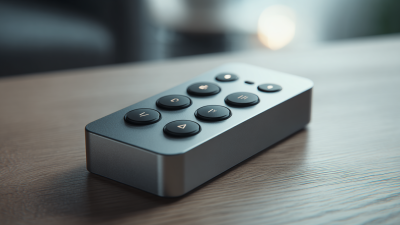
Remote control switches are essential components of home automation, allowing homeowners to manage various devices and appliances from a distance. Understanding the basics of these switches is crucial for effectively integrating them into your smart home ecosystem. Generally, remote control switches operate through wireless technology, enabling communication between the switch and the devices they control. They can be activated via physical remotes, smartphone apps, or even voice commands, depending on the system's configuration.
When selecting a remote control switch, it's important to consider compatibility with your existing home automation framework, as well as the types of devices you want to control. There are various protocols, such as Wi-Fi, Zigbee, and Z-Wave, that different switches might utilize. Moreover, features like scheduling, energy monitoring, and multi-device control can enhance your automation experience, making your home more efficient and convenient. Understanding these facets will help you make an informed decision that aligns with your home automation needs.
Types of Remote Control Switches Available for Home Use
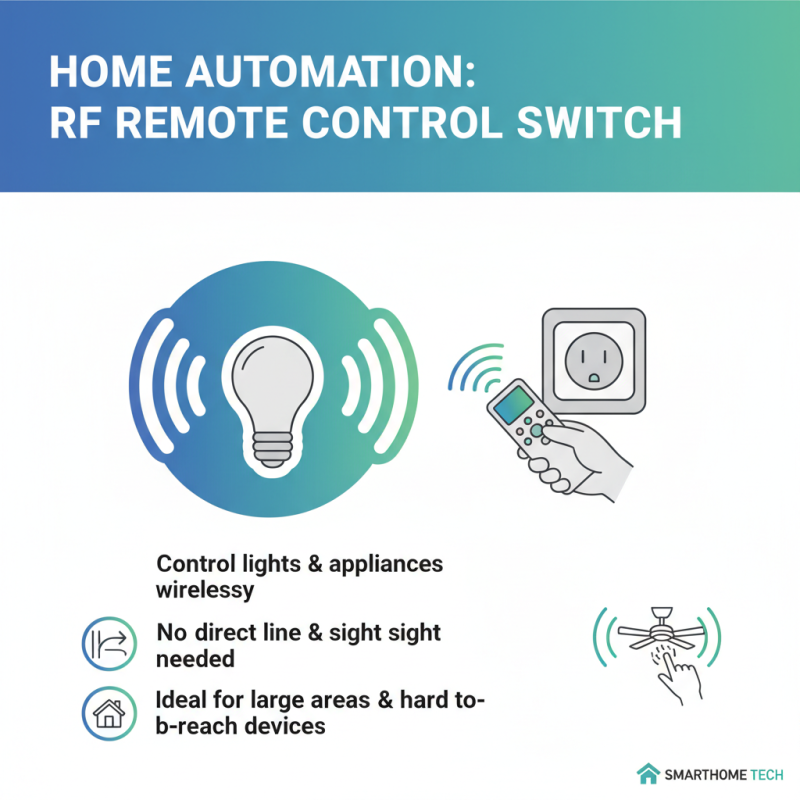
When considering home automation, understanding the different types of remote control switches available is crucial. One popular option is the **RF (Radio Frequency) remote control switch**. These switches operate through radio waves, allowing you to control lights and appliances from a distance without the need for a direct line of sight. This type of switch is ideal for larger areas in your home or for devices that are hard to reach.
Another widely used option is the **Zigbee or Z-Wave switches**. These smart home technologies create a wireless mesh network, enabling multiple devices to communicate with each other seamlessly. Zigbee and Z-Wave switches are particularly useful for those looking to integrate their home automation system with other smart devices, providing greater flexibility and control.
Finally, **Wi-Fi remote control switches** are becoming increasingly popular, especially for tech-savvy users. These switches connect directly to your home’s wireless network, allowing you to control your devices through a smartphone app or voice assistant. This type of switch offers convenience and versatility, making it easy to manage energy usage and enhance home security from anywhere. With each type of remote control switch catering to different needs, it's important to assess your requirements to select the best option for your home automation setup.
Key Features to Consider When Choosing a Remote Control Switch
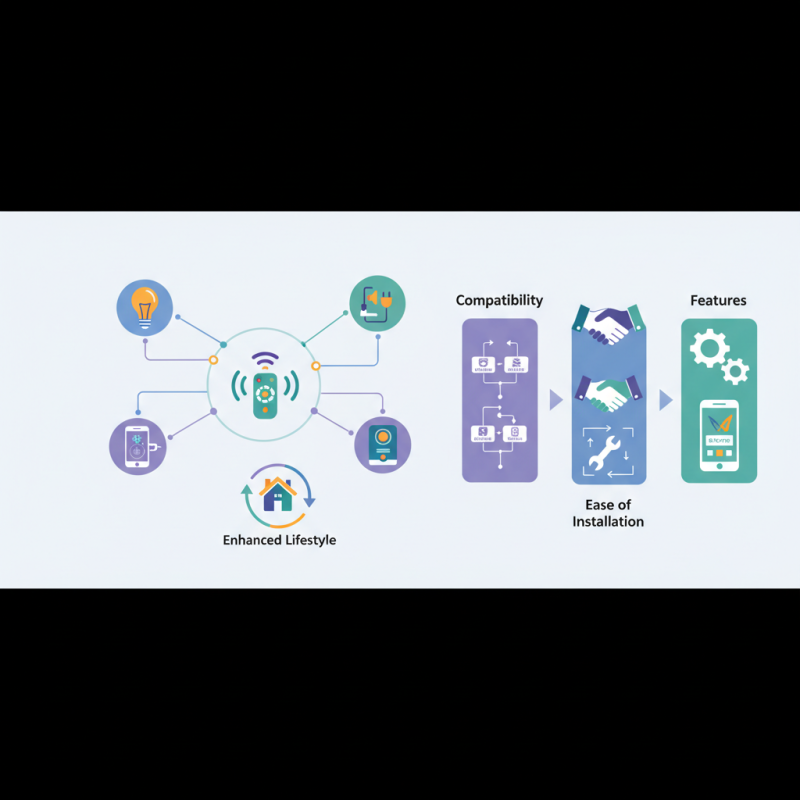
When selecting the best remote control switch for your home automation needs, there are several key features to consider that will ensure optimal performance and convenience. First and foremost, compatibility is crucial; you need to ensure that the switch can seamlessly integrate with your existing home automation system. This includes checking whether it supports the protocols used by your smart devices, such as Zigbee, Z-Wave, or Wi-Fi. A versatile switch allows for easy control of multiple devices or lighting systems within your home.
Another important feature to evaluate is the ease of use and installation process. Look for switches that offer user-friendly interfaces, such as intuitive mobile apps or physical buttons that provide a straightforward setup. Additionally, consider switches that allow for voice control or app-based management, which can significantly enhance the convenience of operating various devices. Finally, energy efficiency should not be overlooked. Selecting a switch that helps monitor and manage energy consumption can lead to cost savings and a more sustainable home environment. By focusing on these features, you can make an informed decision that enhances your overall home automation experience.
Compatibility with Home Automation Systems and Devices
When selecting the best remote control switch for your home automation needs, compatibility with existing home automation systems and devices is crucial. As the home automation market is projected to reach $114 billion by 2025, the need for seamless integration across various platforms becomes ever more important. A study by Statista indicates that 60%of consumers prioritize compatibility when choosing Smart Home Products, underscoring the significance of ensuring that any remote control switch can easily interact with other devices such as smart lights, thermostats, and security systems.
To establish compatibility, consider whether the remote control switch supports popular communication protocols like Zigbee, Z-Wave, or Wi-Fi. According to a report from MarketsandMarkets, Zigbee and Z-Wave hold significant market shares, with Zigbee enjoying a 38%market penetration among smart home devices in 2020. This highlights the necessity of selecting switches that can communicate effectively within these frameworks. Furthermore, it is essential to verify that the remote control switch is compatible with your home automation hub, as this centralizes control and facilitates a cohesive user experience. Ultimately, investing time in understanding compatibility will enhance the functionality of your smart home setup, leading to a more integrated and efficient lifestyle.
Installation Requirements for Remote Control Switches
When selecting a remote control switch for home automation, understanding the installation requirements is crucial for achieving optimal functionality. According to a report by the Smart Home Market Research, nearly 47% of homeowners prioritize ease of installation when choosing smart home products, indicating a growing need for user-friendly options. Typically, remote control switches can be either hardwired or plug-in, with hardwired switches requiring a basic understanding of electrical systems and wiring tools. It's essential to ensure that existing wiring complies with local electrical codes to prevent any potential hazards.
Moreover, compatibility with existing home automation systems is a critical consideration. According to the Consumer Electronics Association, about 35% of consumers experience compatibility issues during installation, which often leads to additional costs and time delays. Users should check if their chosen remote control switch supports various communication protocols, such as Zigbee, Z-Wave, or Wi-Fi.
Additionally, assessing the load capacity of the switch is vital; many products can handle up to 15-20 amps, but it's important to verify that these specifications match the requirements of the specific appliances or devices they will control. By thoroughly addressing these installation considerations, homeowners can ensure a seamless integration of remote control switches into their home automation systems.
Evaluating User Reviews and Recommendations for Best Options
When selecting the best remote control switch for your home automation needs, evaluating user reviews and recommendations is paramount. These insights often provide a realistic appraisal of how well a product performs in everyday situations. Look for reviews that detail not only the strengths of the switch—such as ease of installation and user-friendly interfaces—but also any potential drawbacks. Pay attention to comments on compatibility with various smart home systems, as this can significantly impact your overall experience and satisfaction.
In addition to user reviews, consider seeking out expert recommendations from reputable sources. Many technology and home automation websites conduct thorough analyses of different products, often based on hands-on testing. These reviews usually cover important aspects such as reliability, performance, and durability. Cross-referencing user experiences with expert opinions can help you gain a comprehensive understanding of your options. By taking the time to assess both user feedback and expert insights, you can make a well-informed choice that aligns with your home automation goals.
Cost Considerations and Budgeting for Remote Control Switches
When considering the purchase of remote control switches for your home automation system, cost plays a pivotal role in your decision-making process. The price of remote control switches can vary widely depending on features such as connectivity options, compatibility with existing systems, and smart functionalities. It's essential to determine your budget before diving into your options. This allows you to prioritize essential features that align with your automation needs without overspending.
To effectively allocate your budget, consider not only the initial purchase price but also any additional costs that may arise. These could include installation fees, ongoing maintenance, or potential upgrades in the future.
Researching different types of switches—such as those that integrate with smart home systems versus standalone models—can help identify which best fits your requirements and financial limitations. Additionally, keep an eye out for promotions or bulk purchase discounts, which can provide substantial savings if you plan to equip multiple areas in your home with remote control technology. Balancing cost against functionality will help ensure you make a wise investment in your home automation.
Enhancing Home Automation: A Comprehensive Guide to Moes Mini DIY Smart Light Switch Module
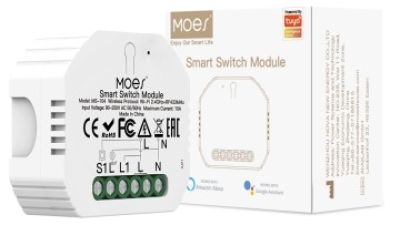
Home automation is rapidly evolving, offering an unparalleled level of convenience and control over our living spaces. One key component in enhancing this experience is the integration of smart light switches, such as the Moes Mini DIY Smart Light Switch Module. These innovative devices allow users to effortlessly manage their lighting systems from anywhere, promoting energy efficiency and tailored lighting options. According to a recent industry report, smart home products are projected to grow to a market value of over $174 billion by 2025, indicating a significant shift towards automated living solutions.
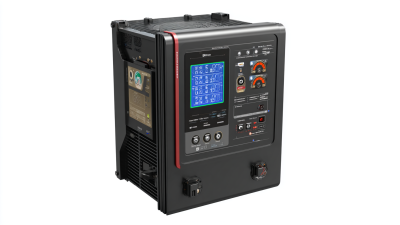
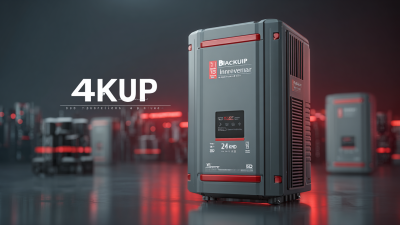
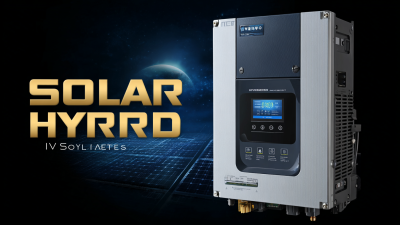
In conjunction with smart lighting, the inclusion of multifunctional inverters like the portable inverter/charger can greatly enhance home automation systems. This device offers the combined functionalities of an inverter, solar charger, and battery charger, creating a robust uninterruptible power supply system. With features such as a comprehensive LCD display that allows users to adjust battery charging currents and prioritize AC charger usage, the inverter not only boosts user experience but also plays a critical role in energy management. Studies show that homes equipped with energy management systems can reduce energy consumption by as much as 30%, making inverters an excellent investment for both efficiency and sustainability.
Moreover, the capability for remote monitoring and real-time alerts within these systems drives proactive management of energy usage, allowing homeowners to optimize their energy consumption patterns. As more households adopt smart technology, the convergence of lighting control and energy supply management stands to redefine how we interact with our environment, creating a more responsive and sustainable living experience.
FAQS
: There are several types of remote control switches, including RF (Radio Frequency) switches, Zigbee or Z-Wave switches, and Wi-Fi remote control switches. RF switches use radio waves for operation, Zigbee and Z-Wave create a wireless mesh network for smart device integration, and Wi-Fi switches connect directly to the home’s wireless network for app or voice control.
RF remote control switches operate through radio waves, allowing users to control lights and appliances from a distance without needing a direct line of sight, making them suitable for bigger areas or hard-to-reach devices.
Compatibility is crucial as it ensures that the switch can seamlessly integrate with your existing automation system. Users should check if the switch supports the necessary protocols utilized by their smart devices, such as Zigbee, Z-Wave, or Wi-Fi.
Key features to consider include compatibility with existing systems, ease of use and installation, voice control capabilities, intuitive interfaces, and energy efficiency to effectively manage energy consumption.
It's important to determine a budget beforehand, considering both the initial purchase price and any additional costs such as installation and maintenance. Research multiple options and look for promotions or bulk discounts to maximize savings.
Energy efficiency is vital because switches that help monitor and manage energy consumption can lead to cost savings and create a more sustainable home environment, aligning with growing interests in energy conservation.
Tech-savvy users particularly benefit from Wi-Fi remote control switches, as these allow for convenient control of devices through smartphone apps or voice assistants, enhancing functionality and ease of management.
Consider looking for switches that offer user-friendly installation processes, such as intuitive mobile apps or physical interfaces. Simplified setup can significantly enhance the overall experience and encourage consistent use.
Yes, potential long-term costs may include maintenance, upgrades, or integration of additional devices in the future. It's important to factor these into your overall budget to ensure a comfortable and effective home automation experience.
Conclusion
When selecting the best Remote Control Switch for your home automation needs, it's essential to understand the basics of these devices, including their types and key features. Remote Control Switches can range from simple on/off switches to more advanced options that integrate seamlessly with various home automation systems. Potential buyers should consider compatibility with existing devices, installation requirements, and the overall functionality they desire.
Additionally, evaluating user reviews can provide insights into the performance and reliability of different Remote Control Switches. Cost considerations are also crucial, as prices can vary significantly based on features and capabilities. By carefully assessing these factors, homeowners can make an informed decision that enhances their home automation experience while staying within budget.