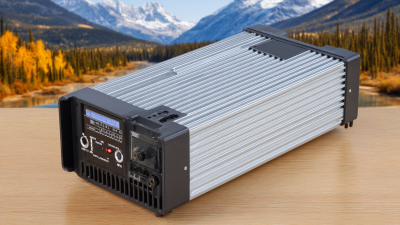
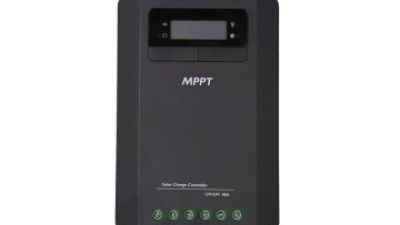
More and more homeowners are turning towards renewable energy, and because of that, the demand for effective Residential Solar Inverters is really picking up. I read that according to the Solar Energy Industries Association (SEIA), the US saw over 20 gigawatts of solar installations in just the first half of 2022 alone — pretty impressive, right? This trend shows how folks are increasingly relying on solar tech not just to save some money but also to become more energy independent.
But here’s the thing: choosing the right residential solar inverter can feel a bit overwhelming. There are so many options out there—different efficiencies, warranties, features—that it can be tricky to know what’s best for you. Honestly, every product claims to be the top choice, but honestly, what’s right really depends on your own household’s energy needs. Some studies even say that picking an inefficient inverter can cut your system’s performance by around 20%, which is a pretty big deal, so you gotta be careful.
At the end of the day, reliability and performance are what matter most when you’re investing in solar. Think of inverters as the backbone of your entire solar setup—they convert sunlight into usable electricity, after all. With all the new advancements, especially with battery storage, some inverters now come packed with even more features. Still, it’s super important to do your homework and evaluate your options properly. Taking the time to understand your choices can really make the difference between a successful solar investment and one that falls flat.
Overview of Residential Solar Inverters and Their Importance
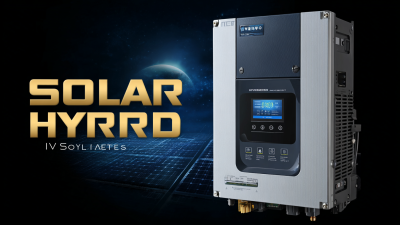
Residential Solar Inverters play a crucial role in the efficiency of solar energy systems. They convert the direct current (DC) from solar panels into alternating current (AC) for use in your home. This process is essential as most home appliances require AC power. According to the Solar Energy Industries Association (SEIA), in 2022, nearly 20% of U.S. homes installed solar systems, highlighting the growing importance of effective inverters.
Choosing the right inverter can significantly impact electricity bills and energy independence. Inverters account for about 40% of the overall system cost. A study from the National Renewable Energy Laboratory (NREL) indicates that high-quality inverters can improve system performance by up to 15%. This means that selecting a reliable Dc Inverter Solar solution is vital for maximizing long-term savings.
Tip: Always consult with certified solar technicians before installation. They will ensure that your inverter matches your energy needs and panel output. Regular maintenance and monitoring are also critical. Regular checks can spot issues early, prolonging the lifespan of your system. This proactive approach can save you significant repair costs and prevent performance drops.
Types of Solar Inverters: String, Micro, and Hybrid Explained
When considering solar inverters for residential use, understanding the types is crucial. String inverters are one option. They connect multiple solar panels in series. This setup often makes installation simpler and more cost-effective. However, if one panel has a problem, it can affect the entire string's performance. Homeowners need to weigh the benefits against potential power loss.
Microinverters are another type. They attach to each solar panel individually. This design maximizes energy production, especially in shaded areas. They allow for better monitoring of each panel's performance. That said, they can be more expensive to install. The long-term benefits often justify the initial cost, especially for larger systems.
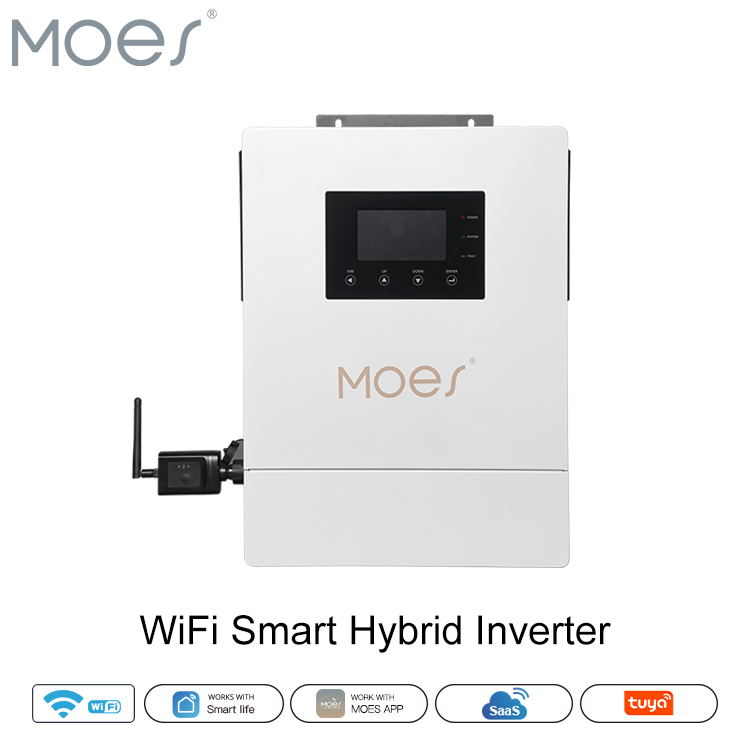
Hybrid inverters combine features of both string and microinverters. They can manage different energy sources, including batteries. This versatility can be beneficial, but it complicates installation. Homeowners might struggle to find a reliable installer. Evaluating home energy needs is essential. The right choice depends on your setup and power requirements. Each option has its pros and cons, and careful consideration leads to better energy management.
Best Residential Solar Inverter Options for Homeowners 2026
Key Features to Consider When Choosing a Solar Inverter
When selecting a solar inverter, several key features must be considered. The efficiency rating is crucial. A higher efficiency means more energy conversion from your solar panels. Look for models with a rating above 95%. This can significantly affect your overall energy production.
Another important feature is the inverter type. String inverters are common but may have limitations. Microinverters offer individual panel optimization. This can be beneficial if your roof has shading issues. Additionally, check for monitoring capabilities. Real-time data helps track energy production and system performance.
Consider the warranty and lifespan of the Solar Pv Inverter. Quality inverters can last 10 to 15 years or longer. A strong warranty indicates reliability and manufacturer confidence. Installation support is another factor. Ensure that the installer is experienced to avoid future issues. Making a choice requires careful consideration of these factors to truly benefit from solar energy.
Top Residential Solar Inverter Brands for Homeowners in 2026
As homeowners look to harness solar energy, selecting the right residential solar inverter is crucial. In 2026, several brands stand out due to their technological advancements and user satisfaction. Industry reports indicate that the average efficiency of leading solar inverters has risen to around 98%. This marks a significant improvement over previous years, showcasing the rapid innovation in this sector.
Consider investing in inverters that support smart technology. These systems can optimize energy usage and improve overall savings. A recent study stated that solar homeowners can save up to 30% on electricity bills by using advanced inverter features. However, it's essential to weigh the costs versus the benefits. Not all homeowners will experience the same savings, so research is necessary.
Tips: Always check warranties and customer service records when choosing An Inverter. Reliability is key, as some users have reported issues with shoddy tech that affects performance. It's also wise to read reviews comparingUps Solar Inverter options. Remember, each home’s energy needs differ; understand yours before making a decision. Tracking performance through dedicated apps can also help assess whether your solar setup is meeting expectations.
Cost Analysis: Investing in a Solar Inverter for Your Home
When considering a solar inverter for your home, understanding the cost is essential. A solar inverter converts the energy generated by solar panels into usable electricity. The price of a good-quality inverter varies, but investing in a reliable model can significantly affect your energy savings.
For example, a 6kw Solar Inverter can cost anywhere from $1,500 to $3,000, depending on efficiency and features. While upfront costs may seem high, these inverters are durable. They effectively enhance energy conversion. Homeowners should also factor in monitoring systems and warranties, which can add to initial expenses.
Despite the initial investment, the long-term savings on electric bills often justify the cost. However, some might find budgeting for installation and maintenance challenging. Potential buyers should evaluate both immediate and future expenses carefully. Engaging with local solar experts can provide insights and help ensure that every dollar spent yields maximum returns.
Future Trends in Residential Solar Inverter Technology
The future of residential solar inverter technology is bright, offering homeowners innovative solutions. As solar energy adoption grows, the demand for advanced inverters increases. These devices are becoming smarter and more efficient, allowing for better energy management.
One clear trend is the rise of hybrid inverters. They can manage multiple energy sources, including solar panels and battery storage. This flexibility optimizes energy use, which is essential for homeowners aiming for sustainability. Energy independence is no longer a distant dream.
In addition, monitoring technology is evolving. Homeowners now have access to real-time data on energy production and consumption. This information can empower users to make informed choices. Yet, not all systems are user-friendly. Complexity can deter adoption. As technology advances, simplicity should not be overlooked. It's crucial for manufacturers to balance innovation with intuitive design.
Installation Tips and Maintenance for Long-Lasting Solar Inverters
When considering solar inverter installation, proper setup and maintenance is crucial. The U.S. Department of Energy reports that an efficient inverter can significantly improve energy conversion, leading to higher electricity generation. Homeowners must choose inverters that fit their specific systems. A poorly matched inverter could lead to inefficiencies, costing more in the long run.
Regular maintenance is essential. Inspecting connections and cleaning components can avoid costly repairs. A 2021 report by the National Renewable Energy Laboratory found that routine check-ups could extend the lifespan of solar inverters by 10-15 years. Homeowners should also monitor performance metrics. If energy output dips unexpectedly, it may be a sign of underlying issues.
Installation requires careful alignment. A tilt angle that does not match local solar exposure can diminish efficiency. Choosing a certified installer is key to achieving optimal results. Installing your inverter in a shaded or humid area can invite problems as well. Inverters need adequate airflow to operate efficiently. A small oversight can lead to larger, unforeseen challenges. Regular assessments can help catch these issues early, ensuring a reliable energy source for your home.
Best Residential Solar Inverter Options for Homeowners 2026
| Inverter Type | Efficiency (%) | Power Output (kW) | Warranty (Years) | Approx. Cost ($) |
| String Inverter | 95-98 | 3-10 | 5-10 | 1,000-3,000 |
| Microinverter | 95-97 | 0.3-1.5 | 10-25 | 1,200-2,500 |
| Power Optimizer | 96-98 | 1-5 | 10-20 | 1,500-3,000 |
| Hybrid Inverter | 95-98 | 3-10 | 5-10 | 1,200-4,000 |
| Battery-Based Inverter | 90-95 | 3-7 | 5-10 | 2,000-5,000 |
Leveraging Advances in Bluetooth Technology: Enhancing Solar Charge Management with 40A MPPT Controllers for Optimized Energy Efficiency
The recent advancements in Bluetooth technology have opened new avenues for enhancing solar charge management systems, particularly with the integration of 40A MPPT (Maximum Power Point Tracking) controllers. These state-of-the-art controllers are pivotal in maximizing energy efficiency by optimizing the solar energy harvested from photovoltaic panels. By leveraging Bluetooth capabilities, these systems can facilitate seamless communication and real-time monitoring of energy production and consumption, ensuring that users can achieve optimal performance and make informed decisions.
The combination of 40A MPPT controllers with Bluetooth technology significantly enhances user experience. Users can easily access performance metrics via mobile applications, allowing for remote adjustments and monitoring of the charging process. This level of accessibility not only promotes energy conservation but also empowers users to respond promptly to any inefficiencies or malfunctions in their solar systems. Furthermore, with automated data logging features, users can analyze historical performance trends and make necessary adjustments to their solar configurations, improving overall energy efficiency.
As the demand for sustainable energy solutions continues to rise, the integration of advanced technologies such as Bluetooth with efficient MPPT control will play a critical role in optimizing solar energy systems. This innovative approach signifies a shift towards smarter, user-friendly solar management, which is essential for maximizing energy production and minimizing waste. By harnessing these technologies, users can enhance their solar setups, driving forward the transition to renewable energy usage.
FAQS
: They convert direct current (DC) from solar panels into alternating current (AC) for home use.
It affects electricity bills and energy independence. A poor choice can cost more over time.
They make up about 40% of the overall system cost, influencing overall investment.
They can improve system performance by up to 15%. This leads to better energy efficiency.
Regularly inspect connections and clean components to avoid costly repairs and extend lifespan.
Monitor energy output consistently. A sudden drop may indicate underlying issues needing attention.
Avoid shaded or humid areas. Adequate airflow is necessary for efficient operation.
It can lead to inefficiencies, increasing costs and reducing performance over time.
Routine check-ups are essential. They can help extend the inverter's lifespan by 10-15 years.
They ensure the inverter meets energy needs and panel output, reducing future complications.
Conclusion
In the evolving landscape of renewable energy, Residential Solar Inverters play a crucial role in optimizing solar power systems for homeowners. Understanding the different types—string, micro, and hybrid—involves recognizing their unique functionalities and advantages. Key features such as efficiency, warranty, and monitoring capabilities should be carefully considered when choosing the right inverter.
As we look ahead to 2026, cost analysis highlights the investment value of solar inverters, while emerging trends in technology promise enhanced performance and integration with Smart Home systems. Important installation tips and maintenance practices ensure longevity and efficiency of the Residential Solar Inverter, providing homeowners with a reliable source of clean energy for years to come.