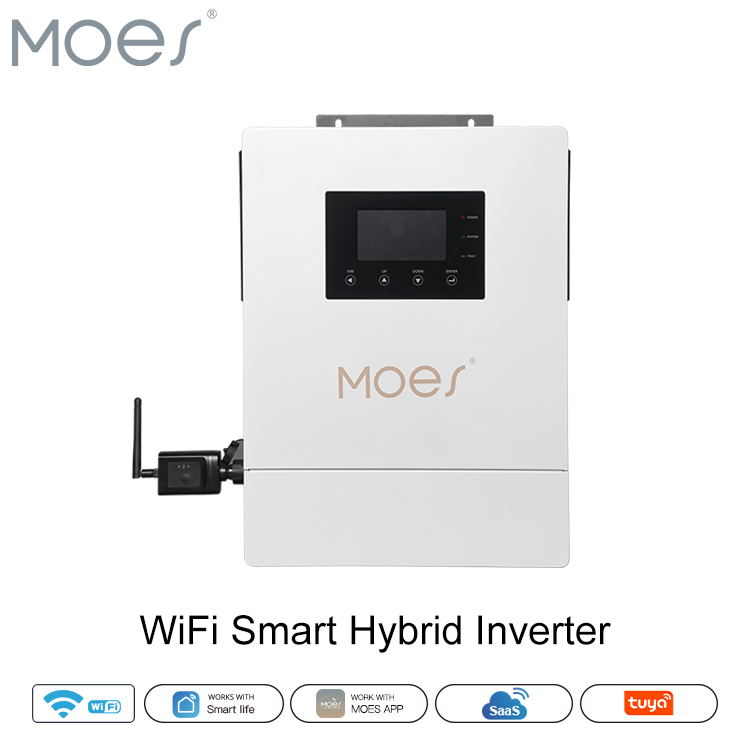
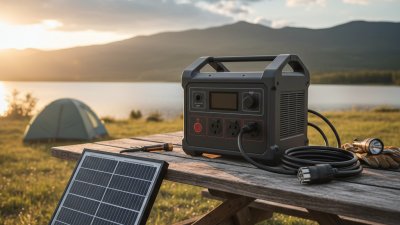
More and more homeowners are on the lookout for sustainable energy options these days, and one thing that's been really gaining traction is the **Residential Solar Inverter**. It’s pretty much a crucial piece in any solar setup. Picking the right inverter can really make a difference—not just in how efficiently your system works, but also in how much you save in the long run. There are some big names like Enphase and SolarEdge offering cool innovations, but honestly, not all inverters fit everyone’s needs perfectly.
I’ve talked to many homeowners who get a little overwhelmed trying to figure out the technical stuff. Like, what’s the real difference between string inverters and micro-inverters? And how does that choice actually impact how much energy your system produces? These are questions that really matter when you’re trying to pick the best option. By 2026, the market has tons of models designed for different households, but let’s be honest—making the right call can still feel pretty confusing.
It’s also super important to think about things like installation costs and warranties because not all **Residential Solar Inverters** are created equal in terms of reliability and performance. Checking out brand reputations and reading user reviews can help a lot. A good inverter might save you serious cash over time, but choosing the wrong one could lead to some major regrets. With markets constantly changing and new tech popping up all the time, staying up-to-date is more important than ever—so do your homework and choose wisely.
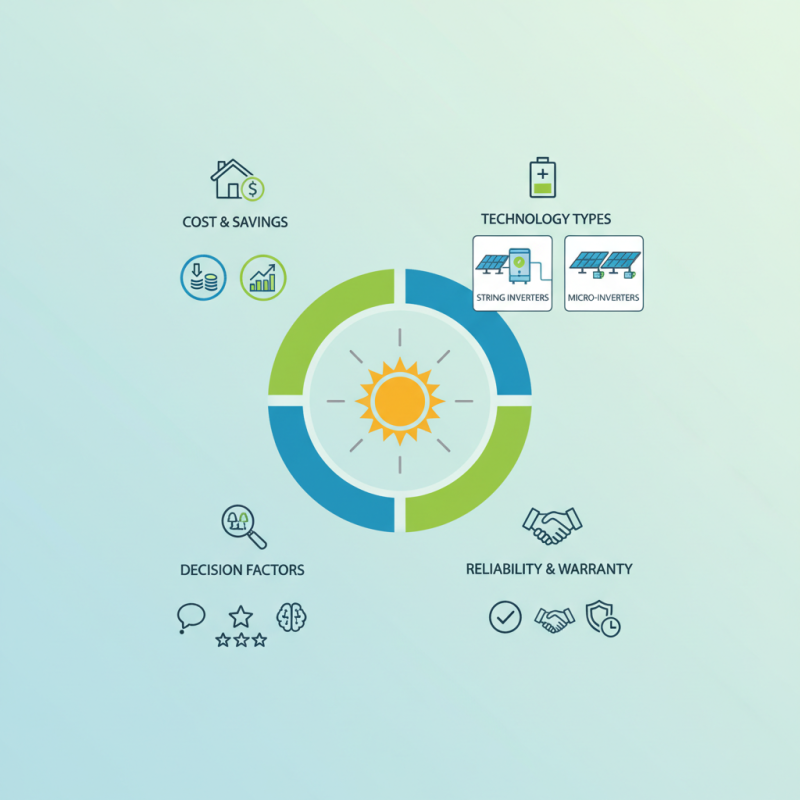
Overview of Residential Solar Inverters and Their Importance
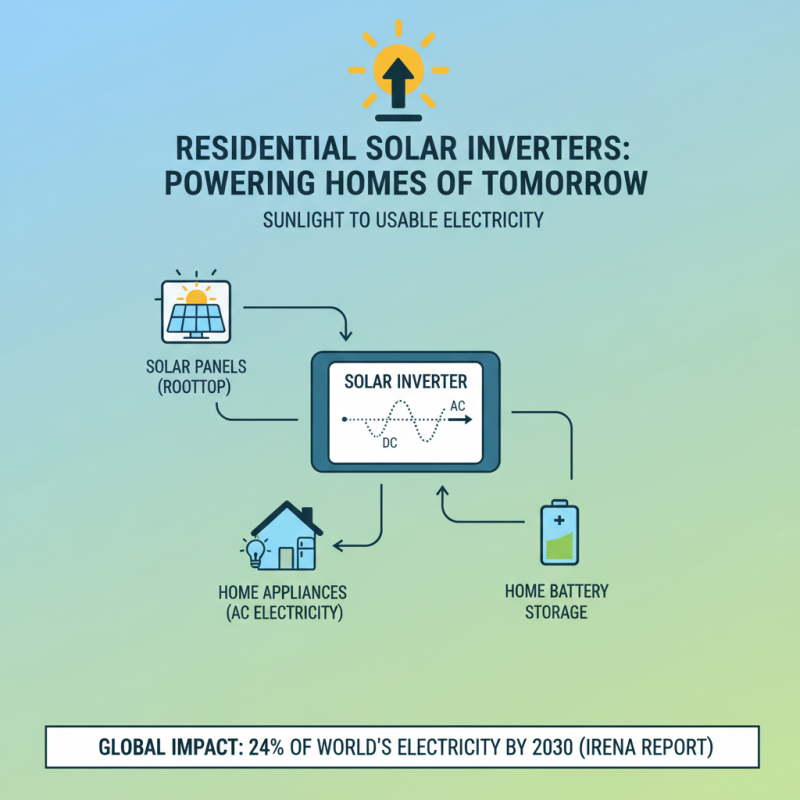
Residential solar inverters play a crucial role in converting sunlight into usable electricity. These devices take direct current (DC) from solar panels and convert it to alternating current (AC), which powers homes. A report from the International Renewable Energy Agency (IRENA) indicates that solar energy could supply up to 24% of global electricity needs by 2030. This makes the choice of a solar inverter more significant than ever.
Choosing the right inverter involves understanding efficiency ratings, warranty periods, and maximum power output. Studies show that a high-quality inverter can improve the overall performance of a solar system by up to 10%. Homeowners should pay attention to The Inverter's lifespan and reliability. In fact, some homeowners end up replacing their inverters prematurely due to poor initial choices.
Tips for selecting a solar inverter: consider opting for a Dc Inverter Solar model for better efficiency. These inverters often come with advanced features, like real-time monitoring. It's essential to assess your energy needs carefully. Not all inverters will suit every home, and sometimes the cheapest options lead to regrets later. Getting professional advice can make a difference.
Key Features to Consider When Choosing a Solar Inverter
Choosing the right solar inverter for your home is crucial. A solar inverter converts the energy captured by your solar panels into usable electricity. Look for models with high efficiency ratings, as this reflects their performance. Efficiency impacts your energy savings directly. Some inverters come with advanced monitoring features. These can help you track energy production and consumption.
Consider the inverter's durability as well. Solar inverters are typically rated for 10 to 15 years. Evaluate the warranty periods offered. Some inverters may fail earlier than expected, leading to costly replacements. Pay attention to installation ease, too. A complicated setup could lead to additional costs and time delays.
Compatibility is another essential factor. Ensure your Solar Pv Inverter works well with your solar panel system. Some models support battery storage integration. This can be beneficial if you want backup power during outages. Reflecting on all these elements will lead to a more informed decision. Doing thorough research before making a choice is essential.
Types of Solar Inverters for Home Use: A Comparative Analysis
When choosing a solar inverter for home use, homeowners encounter several types. The main categories are string inverters, microinverters, and power optimizers. Each type has its pros and cons. String inverters are popular for their simplicity and cost-effectiveness. However, they may be less efficient in shaded areas.
Microinverters offer individual panel optimization. This means each panel can perform at its best. They are ideal for homes with shading issues. Still, they can be more expensive upfront. Power optimizers sit between string inverters and microinverters, allowing for better performance without the full cost of microinverters. Each option has unique challenges that homeowners need to consider.
**Tips:** Assess your roof's shading patterns before selecting An Inverter. If your roof faces challenges, microinverters or power optimizers might fit your needs better. It’s essential to match the inverter type with your home’s energy requirements. Understanding the advantages and disadvantages of each can lead to better decisions. For example, if you choose anUps Solar Inverter, ensure it aligns with your energy goals.
Top Solar Inverter Brands for Homeowners in 2026
As homeowners increasingly adopt solar energy, choosing the right inverter becomes crucial. The solar inverter converts direct current (DC) from solar panels into alternating current (AC) for home use. Data from recent industry reports indicate that around 80% of solar system failures stem from inverter issues. This stresses the importance of selecting a reliable brand.
In 2026, prominent inverter brands focus on efficiency, durability, and advanced technology. Many models, including the popular 6kw Solar Inverter, offer high efficiency rates, often exceeding 95%. In addition, features like smart monitoring and compatibility with home batteries stand out. These improvements cater to modern homeowner demands, maximizing energy use and reducing bills.
However, not every option suits all homes. Installation challenges can arise. Some inverters may not perform well in shaded conditions. Additionally, warranty options vary greatly. Homeowners must consider these factors carefully. The ideal inverter should balance performance with adaptability to specific home environments. Investing time in research pays off as the wrong choice can lead to costly future issues.
Installation and Maintenance Tips for Home Solar Inverters
Installing a home solar inverter is a crucial step for homeowners considering solar energy. Proper installation ensures efficiency and longevity. It is vital to choose the right location for the inverter. Ideally, it should be in a shaded area, away from direct sun exposure. Heat can impact performance negatively. Make sure to follow the installation guidelines carefully. Otherwise, you may encounter issues later.
Once installed, regular maintenance is essential. Check connections and wiring at least once a year. Look for any signs of wear or damage. Dust can build up and affect performance, so cleaning the unit is necessary. Ideally, it should be kept dry and free from debris. If you encounter problems, consult a professional. They can provide insight that may not be easily visible.
Despite all precautions, issues may arise. It is important to reflect on these challenges. Not every installation goes smoothly, and minor glitches can happen. Understanding the common problems can help you troubleshoot. Keeping a record of maintenance will assist in identifying patterns. This proactive approach may save time and money in the long run.
Cost Considerations and Financial Incentives for Solar Inverters
The cost of solar inverters is an important factor for homeowners considering solar energy. On average, the price of a residential solar inverter ranges from $1,000 to $3,000. This cost can significantly impact the overall installation expenses. According to a 2022 industry report, homeowners should anticipate spending about 12% of their total solar system costs on inverters. This percentage is expected to remain steady as technology advances but may fluctuate based on market conditions.
Financial incentives can alleviate some of these costs. For example, the Federal Investment Tax Credit (ITC) allows homeowners to deduct 26% of their solar installation costs, including inverters, from their taxes. Local governments may also offer rebates or grants. However, eligibility varies widely. Some areas provide generous incentives, while others offer little support. Homeowners must research their options carefully.
While investing in a solar inverter is beneficial for reducing energy bills, there are long-term concerns. Inverter lifespan typically ranges from 5 to 15 years. Replacing them can be an unexpected expense. Homeowners should also consider the potential for technological advancements. Investing in a current model means frequent upgrades may be necessary. Balancing cost, efficiency, and longevity is crucial for an informed decision.
Best Residential Solar Inverter Options for Homeowners 2026
| Inverter Type | Efficiency (%) | Cost ($) | Warranty (Years) | Financial Incentives ($) |
| String Inverter | 95 | 1,200 | 10 | 300 |
| Microinverter | 96 | 1,500 | 25 | 400 |
| Power Optimizer | 97 | 1,400 | 20 | 350 |
| Hybrid Inverter | 98 | 2,000 | 15 | 500 |
Future Trends in Solar Inverter Technology for Homeowners
The future of solar inverter technology is bright. Homeowners can expect advancements that improve efficiency and user experience. According to the International Energy Agency, solar power could provide 15% of global energy needs by 2030. Inverters will play a crucial role in this transformation.
One emerging trend is the increased integration of smart technology. Modern inverters will feature real-time monitoring and remote control capabilities. These enhancements allow homeowners tooptimize their energy use. A recent report from Wood Mackenzie projects that the residential solar inverter market will grow by over 30% in the next few years. However, not all systems are equal; some may lack compatibility with future upgrades.
Energy storage solutions will also evolve. Homeowners will have new options for pairing batteries with inverters. This synergy will help manage energy consumption better. But awareness of energy demands is vital. Inadequate sizing of battery systems can lead to inefficiencies. As technology progresses, it remains essential for consumers to stay informed and make smart choices.
Harnessing Solar Energy: The Advantage of Low Frequency Pure Sine Wave Hybrid Off-Grid Inverters and Chargers
Harnessing solar energy has become increasingly vital as the world transitions towards sustainable energy solutions. Among the various technologies available, low frequency pure sine wave hybrid off-grid inverters and chargers stand out due to their numerous advantages. These devices not only convert solar energy efficiently but also ensure that the power output is of high quality, closely resembling the power supplied by conventional grid systems. This means sensitive electronic devices can operate without the risk of damage from voltage fluctuations or distorted waves.
Moreover, these hybrid systems offer unmatched versatility by seamlessly integrating with multiple power sources, including solar panels and battery storage. The ability to switch between different energy sources ensures a continuous power supply, making them ideal for off-grid applications such as remote homes, cabins, and even mobile setups. Users can rely on stable energy for essential appliances while reducing their carbon footprint, leading to both environmental benefits and cost savings in the long run. The practicality and reliability of low frequency pure sine wave inverters make them a prominent choice for anyone looking to harness solar energy effectively.
FAQS
: The product aims to improve daily life and enhance convenience.
Yes, it is designed for homes, offices, and outdoor activities.
It includes user-friendly controls, durability, and portability.
Generally, yes. Follow the guidelines for proper care.
Always handle with care and avoid exposure to extreme conditions.
Longevity depends on usage and maintenance but is generally reliable.
Contact support, but responses may be slower than expected.
Repairs are possible, but finding parts may be challenging at times.
The warranty typically covers one year, but read the details carefully.
While generally safe, adult supervision may be needed for younger users.
Conclusion
As homeowners increasingly turn to renewable energy solutions, choosing the right Residential Solar Inverter has become essential. This article provides an overview of the importance of solar inverters, highlighting key features to consider such as efficiency, compatibility, and monitoring capabilities. It compares various types of solar inverters available for home use, helping homeowners make informed decisions based on their specific needs.
Additionally, it delves into installation and maintenance tips to ensure optimal performance of solar inverters, along with cost considerations and available financial incentives that can enhance the affordability of solar energy systems. Lastly, the article discusses future trends in solar inverter technology, emphasizing how advancements will continue to benefit homeowners by improving efficiency and energy management.