In today’s ever-changing world of home tech, picking out the right Single Socket Switch has become pretty important for homeowners who want both functionality and convenience. As we move into 2025, the options on the market are more varied than ever, so it’s really worth taking the time to figure out what features actually match your needs. With all the advancements in smart home stuff and a bigger focus on saving energy, choosing the right switch can really make your living space more comfortable and efficient.
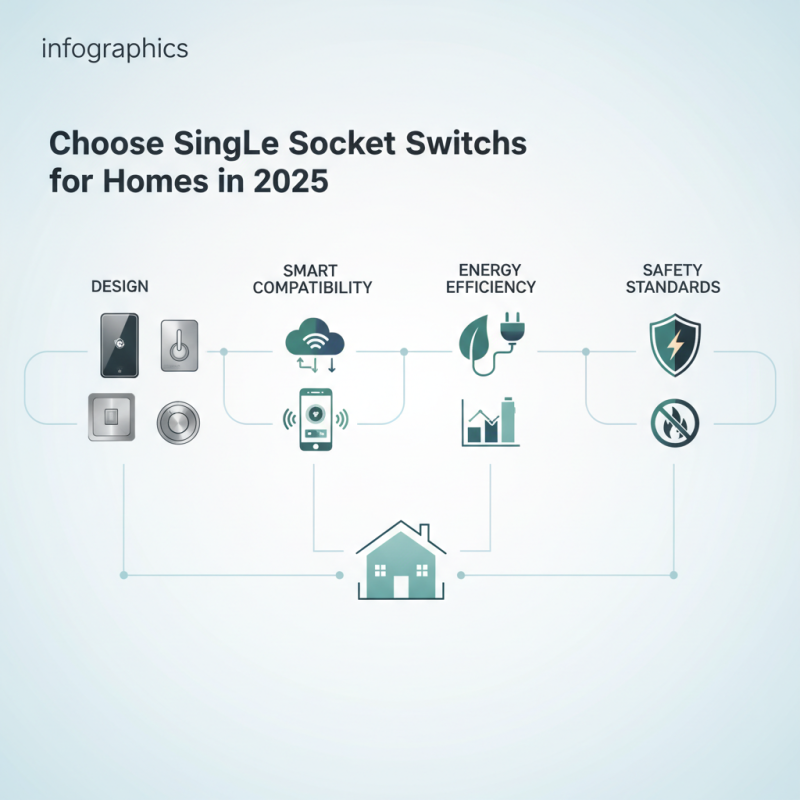
When you’re diving into this, it’s good to keep in mind things like how the design looks, whether it’s compatible with your smart devices, how much energy it uses, and if it meets safety standards. Making an educated choice doesn’t just mean your home looks good — it’s also about creating a more sustainable and straightforward living environment. If you look at the key factors involved in picking a single socket switch, you’ll be able to make smarter decisions that fit your needs now and also get you ready for whatever new tech might come next.
When selecting a single socket switch for your home, it’s essential to understand the different types available to ensure you meet your specific needs. The most common type is the standard single pole switch, which controls one circuit and is suitable for most household applications. These switches are simple to operate and ideal for turning lights and appliances on or off. For areas like garages or outdoor spaces where durability is crucial, consider a heavy-duty switch that can withstand environmental factors while providing reliable performance.
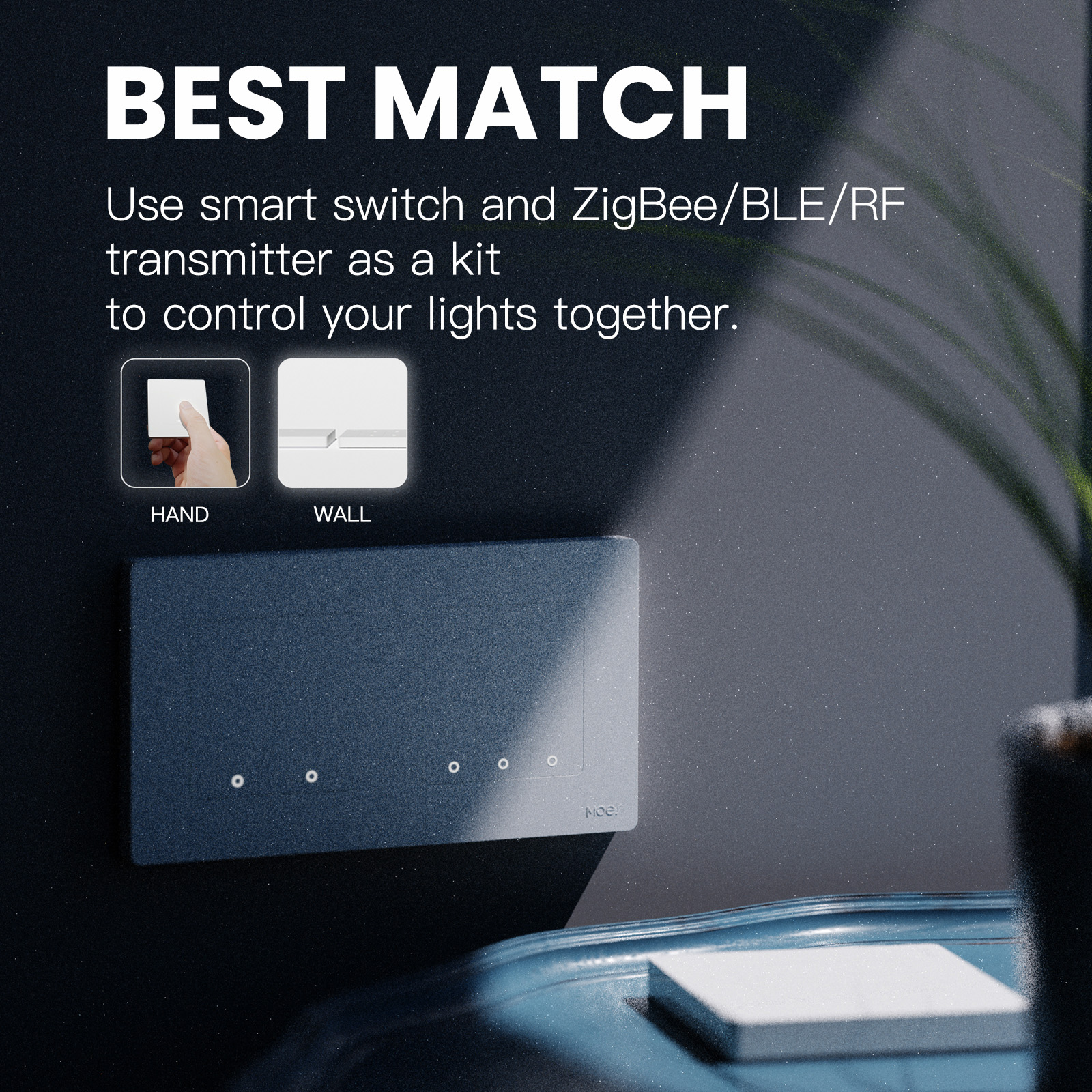
Another popular option is the smart switch, which allows for remote operation through mobile devices or voice-activated systems. Smart switches not only add convenience but also enhance energy efficiency by allowing users to monitor and control their energy usage remotely. Additionally, there are Dimmer Switches that offer adjustable lighting, creating ambiance and saving energy in areas such as living rooms and bedrooms. Understanding these options will help you choose the best single socket switch that aligns with your lifestyle and enhances your home's functionality.
When choosing the best single socket switch for your home, assessing your power needs is essential to ensure safety and efficiency. Begin by identifying the appliances and devices you intend to use. Take note of their wattage requirements, as this will help you determine the appropriate switch specifications. For instance, high-wattage devices may necessitate a switch with a higher rating to accommodate their power demands without risk of overload.
Tips for efficient assessment include using a wattage meter to measure the actual power consumption of your appliances. This can provide a clearer picture of your overall power needs and help prevent potential issues. Additionally, consider factors like the number of appliances you plan to connect simultaneously. Properly understanding these requirements will guide you toward a switch that enhances both convenience and safety in your living space.
Another important aspect to contemplate is the location of the socket switches. If you wish to power multiple devices in one area, look for switches designed to handle multiple connections or those that feature built-in surge protection. This will ensure that your devices are not only powered effectively but also safeguarded against potential electrical hazards. Always prioritize switches that offer reliable construction and safety features to mitigate any risks associated with electrical usage in your home.
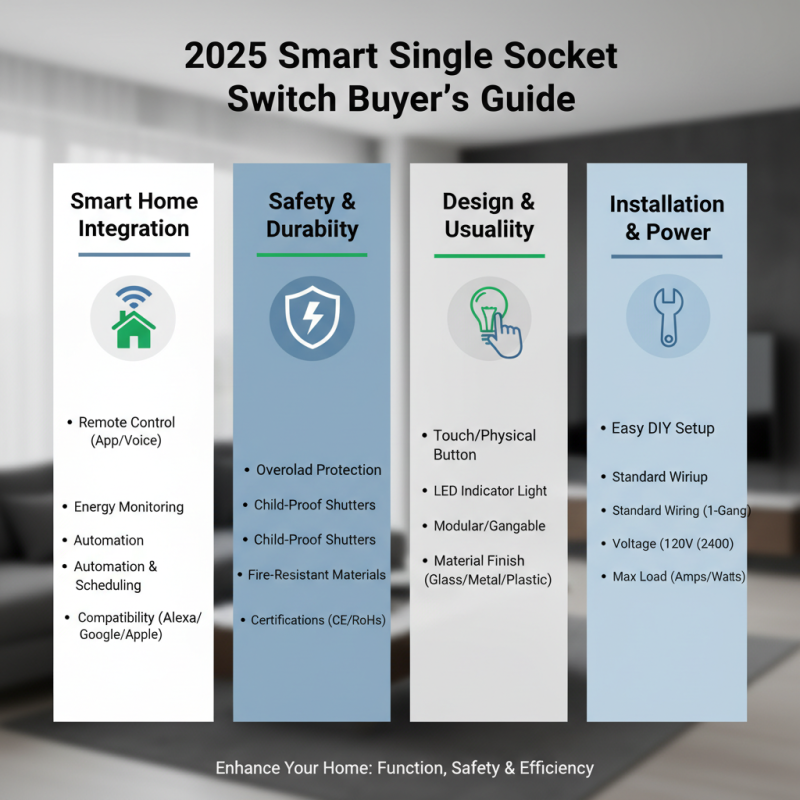
When choosing a single socket switch for your home needs in 2025, there are several key features to consider that can enhance both functionality and safety. First and foremost, compatibility with smart home systems is essential. As homes become increasingly connected, opting for a switch that can seamlessly integrate with your existing smart technology allows for remote control and automation, making it easier to manage energy use and enhancing convenience.
Another important feature is the safety mechanisms included in the switch design. Look for switches with built-in surge protection, current overload protection, and child safety locks. These features not only safeguard your devices but also provide peace of mind, especially in households with young children or pets. Moreover, consider the aesthetic and ergonomic design of the switch. A visually appealing switch that complements your home decor and is easy to operate can enhance your living space while ensuring ease of use for all family members.
When selecting a single socket switch for your home in 2025, understanding safety standards and certifications is crucial. A reliable socket switch should comply with local and international safety regulations, which are designed to minimize risks such as electrical fires, shock hazards, and short circuits. Look for certifications from recognized organizations that ensure the product meets stringent safety criteria. These certifications often involve rigorous testing under various conditions, evaluating the switch’s performance and durability.
Another important aspect to consider is the distinction between different levels of protection. Safety standards often categorize socket switches based on their resistance to moisture, dust, and other environmental factors. For instance, switches with a higher Ingress Protection (IP) rating are better suited for areas exposed to water or dust, such as kitchens or outdoor spaces. Additionally, verify that the switch features mechanisms like overload protection and surge protection, which enhance safety by preventing damage from power surges and excessive current. By focusing on these elements, you can ensure that the socket switch not only fits your functional needs but also offers a secure environment for your home.
| Feature | Description | Safety Standard | Certification |
|---|---|---|---|
| Material | Durable thermoplastic or polycarbonate | UL 94 V-0 | CE, RoHS |
| Voltage Rating | Suitable for standard household voltage | IEC 60947-1 | ISO 9001 |
| Amperage | Typically rated for 10A to 16A | BS 1363 / IEC 60884-1 | SAA, TUV |
| Design | Sleek and modern, fits various decor styles | IP20 Rating | FCC |
| User Features | Quick break function, indicator light | EN 61058 | GS Mark |
When considering a single socket switch for your home, it's crucial to weigh the benefits of smart switches against traditional options. Smart single socket switches have gained immense popularity in recent years due to their innovative features. They offer remote control through smartphone applications, enabling you to turn devices on or off even when you're away from home. Moreover, many smart switches come with energy monitoring capabilities, allowing you to track usage and identify potential savings. Integration with voice assistants adds an extra layer of convenience, facilitating hands-free control.
On the other hand, traditional single socket switches are often favored for their simplicity and reliability. They are typically more affordable and require little to no technical setup, making them an excellent choice for those who prefer not to delve into smart technologies. Traditional switches are also durable and have a longer lifespan, as they are less likely to encounter issues related to software updates or connectivity. While they may lack the advanced features of smart switches, they consistently get the job done for basic electrical needs in homes. By assessing your lifestyle, preferences, and the level of connectivity you desire, you can make an informed decision between these two types of switches.
This chart illustrates the preference of customers between Smart Single Socket and Traditional Single Socket switches in 2025, highlighting a significant trend towards smart technology.
When upgrading your home with a new single socket switch, it’s essential to ensure proper installation for safety and functionality. Start by switching off the main power supply to avoid any electrical hazards. Use a voltage tester to confirm that the power is off before proceeding. Gather the necessary tools, including screwdrivers, wire strippers, and a drill if you need to install a new junction box. Familiarize yourself with the wiring colors in your electrical system—typically, live wires are brown or red, neutral wires are blue or black, and earth wires are green or yellow.
One important tip during installation is to secure your connections tightly. Loose wires can lead to electrical failure or even start a fire. Strip the ends of the wires carefully, making sure not to expose too much copper, and wrap them securely around the terminal screws on the back of the switch. Additionally, make sure to use the correct gauge wire for your switch to handle the electrical load properly, which increases the overall safety and efficiency.
Finally, after connecting the wires, ensure the socket switch is mounted firmly against the wall. Use wall anchors if necessary, especially if you're installing it in a hollow wall. Once everything is in place, restore the power and test the switch to ensure it functions correctly. Following these installation tips will help you safely integrate a new single socket switch into your home, enhancing your electrical system's performance.
Maintaining your socket switch is essential for ensuring its longevity and optimal performance in your home. Regular inspections should be part of your routine; check for any visible signs of wear, such as discoloration or damage to the exterior. Over time, switches may accumulate dust and grime, which can interfere with their operation. Using a soft cloth to clean the surface periodically will help keep it in good condition. Additionally, ensuring that the switch operates smoothly when pressed is crucial. If you notice any resistance or sticking, it may be time to consider repairs or replacements to avoid potential safety hazards.
Another important aspect of maintenance is to ensure that the electrical connections are secure. Loose connections can lead to increased resistance, which not only affects performance but can also pose fire risks. It’s advisable to have a qualified electrician periodically check the wiring connected to your socket switch, especially if you experience flickering lights or intermittent power disruptions. Furthermore, protecting your switches from moisture and excessive heat can significantly extend their lifespan. Installing them in dry areas and avoiding proximity to appliances that generate heat will help maintain their functionality over time. Regular maintenance practices not only enhance safety but also ensure that your socket switch meets the demands of modern living.
The advent of smart home technology has significantly transformed our living spaces, enhancing not just convenience, but energy efficiency as well. Among the many innovations available, multi-gang light dimmer switches have emerged as a powerful tool to elevate your smart home experience. These devices, especially when integrated with WiFi and automation platforms, provide users with unrivaled control over their lighting systems. According to recent research by MarketsandMarkets, the global smart home market is expected to grow to $174 billion by 2025, highlighting the increasing consumer demand for devices that enhance home automation.
One of the primary benefits of using a WiFi-enabled multi-gang light dimmer switch is the ability to customize lighting settings. Homeowners can adjust the brightness from their smartphones, allowing for tailored ambiance suitable for any occasion—be it a cozy movie night or a vibrant party atmosphere. Additionally, these dimmers can lead to significant energy savings; studies show that through automated control, households can reduce energy consumption by up to 30%. This not only translates into cost savings but also contributes to a more sustainable lifestyle.
Furthermore, the integration of such devices into smart ecosystems advances security and convenience. With scheduling features and remote access, users can ensure their homes are well-lit even when they are away, deterring potential intruders. The ability to control multiple switches from one app simplifies user interaction, creating a seamless experience that aligns with the modern homeowner’s lifestyle. As the demand for smart home amenities continues to rise, adopting advanced lighting solutions like multi-gang dimmer switches is an outstanding choice for enhancing home functionality.
: The most common type is the standard single pole switch, which controls one circuit and is suitable for most household applications.
A heavy-duty switch is designed to withstand environmental factors and is ideal for use in areas like garages or outdoor spaces where durability is crucial.
Smart switches allow for remote operation through mobile devices or voice-activated systems, adding convenience and enhancing energy efficiency by enabling users to monitor and control their energy usage remotely.
Dimmer switches offer adjustable lighting, helping to create ambiance in spaces like living rooms and bedrooms, while also saving energy.
Important features include compatibility with smart home systems, safety mechanisms like surge protection and child safety locks, and an ergonomic and aesthetically pleasing design.
Evaluating safety standards and certifications ensures that the socket switch complies with local and international safety regulations, minimizing risks such as electrical fires and shock hazards.
Look for switches with a higher Ingress Protection (IP) rating, as they are better suited for areas exposed to moisture or dust.
A good socket switch should include mechanisms like overload protection and surge protection to prevent damage from power surges and excessive current.
Choosing a visually appealing switch that complements home decor can enhance the living space while ensuring ease of use for all family members.
Look for switches that can integrate with smart home technology, allowing for better energy management and monitoring, which ultimately enhances energy efficiency.
When selecting the best Single Socket Switch for your home in 2025, it is crucial to understand the various types available and how they align with your power needs. A thorough assessment of your electrical requirements will help in choosing a socket switch that not only fits your daily usage but also enhances the efficiency of your home.
Key features such as safety certifications, ease of installation, and the choice between smart versus traditional options are essential considerations. Ensuring that your Single Socket Switch meets safety standards can prevent electrical hazards. Additionally, proper installation and regular maintenance will ensure longevity and optimal performance, giving you peace of mind in your home's electrical management.