Lately, Smart Home Sensors have really become a must-have for folks wanting a smarter living space. I read somewhere that Dr. Emma Taylor, who's pretty much an expert in home automation, said something like: "Smart home tech isn’t just about convenience—it’s really changing how we interact with our homes." It’s true! These sensors let us keep an eye on things and make adjustments without breaking a sweat. It feels almost like life is getting simpler because of it.
Take, for example, devices like the MOES WiFi Smart Power Socket Plug. That little gadget perfectly shows how this tech is blending smoothly into our daily routines—making things run more efficiently and just making life easier overall. But honestly, with so many options out there, it can get kinda overwhelming trying to pick the right sensors. There’s a bit of a learning curve, and you might find yourself asking, “Which one do I even need?”
As we dive into the top Smart Home Sensors of 2026, I think it’s worth pondering how much we rely on these gadgets. Sure, automation makes life simpler, but at what cost? Are we actually improving our lives, or are we just giving up a bit of control in exchange for convenience? It’s a good question—and one that’s worth thinking about as these devices become more and more a part of our homes.
Introduction to Smart Home Sensors
Smart home sensors are becoming essential in modern living spaces. These devices can monitor a variety of conditions, from temperature to humidity and even security. They enable automation that enhances convenience and safety. For instance, a motion sensor can trigger lights to turn on when someone enters a room. This simple use can make daily routines smoother.
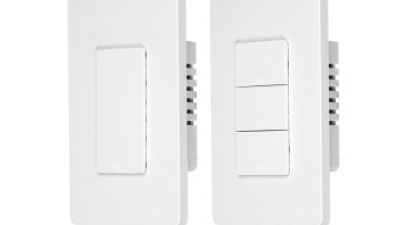
However, the effectiveness of sensors largely depends on their placement. Poor positioning can result in missed actions or false triggers. A sensor detecting only part of a room can lead to gaps in coverage. Homeowners may find it challenging to recognize these issues until they cause inconvenience. Smart switches also play an important role in integrating with these sensors. A smart switch allows remote control of lights and appliances, offering flexibility in how spaces are illuminated.
When exploring options, it’s crucial to think about the home’s layout. Not every sensor suits every environment, and trial and error may be necessary. Some may provide too much information, while others may fail to detect critical activities. Balancing technology and practical needs remains a work in progress for many households. After all, creating the ultimate smart home requires both innovation and adaptability.
2026 Best Smart Home Sensors for Ultimate Home Automation
Key Features to Look for in Smart Home Sensors
Smart home sensors are vital for creating an efficient automated environment. When selecting these devices, certain key features can enhance their functionality. Connectivity is one of the most important factors. Sensors that support protocols like ZigBee ensure seamless integration with other smart devices. Furthermore, a gas leakage detector is essential for safety, especially models that detect flammable gases. According to industry data, homes equipped with smart sensors reduce the risk of incidents by up to 30%.
Another critical feature is ease of use. Many homeowners prefer systems that connect with smart home networks like Tuya, allowing control through a single platform. A comprehensive home security alarm system can integrate multiple sensors, providing real-time notifications. However, users often report frustration with complex setups. Quick setup options can significantly improve user experience.
The reliability of sensors also matters deeply. Sensors like the combustible sensor provide crucial alerts but can falter under certain conditions. Some users notice inconsistencies in performance during extreme weather. Addressing these imperfections is vital for manufacturers. Smart sensors should elevate, not complicate, daily life.
Top Smart Home Sensors for Security and Surveillance
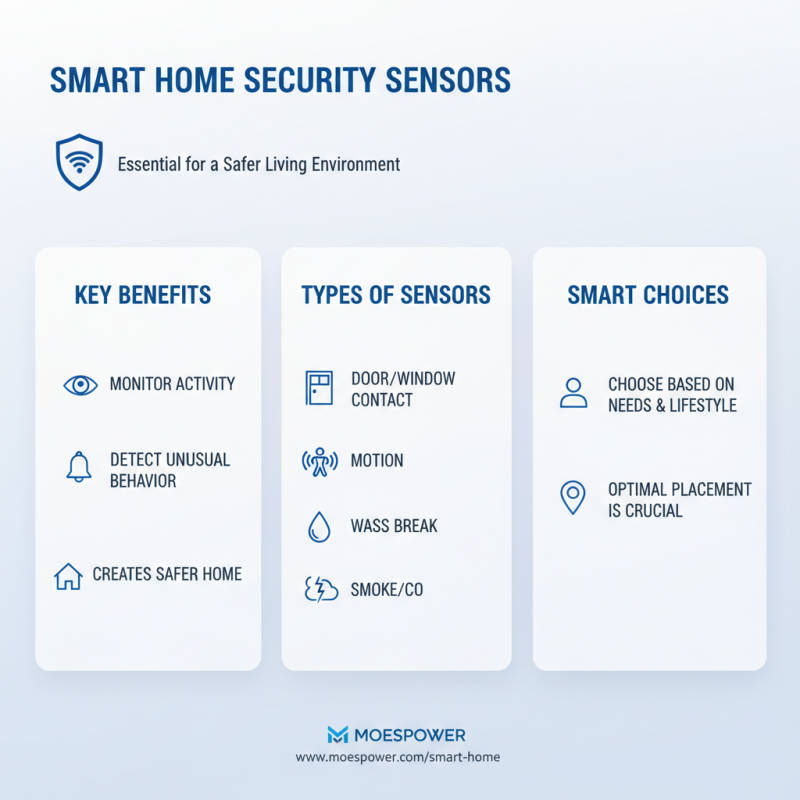
Smart Home sensors are essential for security and surveillance. They help monitor activity and detect any unusual behavior. This creates a safer living environment. Choose sensors that fit your needs and lifestyle. Keep in mind placement is key.
Motion detectors can be placed near entrances or in hallways. They should cover high traffic areas. However, be aware of false alarms. Pets can trigger these sensors, so consider this when setting them up.
Door and window sensors provide another layer of protection. They alert you when a door or window opens unexpectedly.
Tips: Check battery life regularly. Regular maintenance of your smart home sensors is crucial. This ensures they function properly. Consider integrating alarms for immediate alerts when a breach happens. A backup power option can be beneficial too.
Best Smart Home Sensors for Energy Efficiency
Smart home sensors significantly contribute to energy efficiency. According to a recent report, homes equipped with smart sensors can reduce energy consumption by up to 30%. These sensors monitor various aspects, such as temperature and occupancy, allowing for optimized heating and cooling.
For instance, motion sensors can detect when a room is vacant, automatically adjusting lights and HVAC systems. A study found that buildings using occupancy sensors saved an average of 15% on energy costs. Yet, there are challenges. Improper placement of these sensors may lead to energy waste, as they might not accurately detect occupancy patterns.
Integrating smart home sensors also requires user engagement. A survey indicated that nearly 40% of homeowners feel overwhelmed by technology. This disconnect can lead to underutilization of energy-saving features. Balancing automation with user-friendly designs is crucial for maximizing efficiency. The path to smarter homes is not just about technology but also user awareness and education.
Innovative Sensors for Home Health Monitoring
Home health monitoring is becoming increasingly vital in our daily lives. Innovative sensors play a crucial role in this evolution. According to a recent industry report, nearly 70% of consumers are interested in using smart home technology to track their health. These devices can monitor vital signs, air quality, and even detect falls, offering peace of mind for both users and their families.
One common sensor type is the air quality monitor. Poor indoor air quality can lead to health issues such as respiratory problems. A study found that indoor air pollution can be two to five times higher than outdoor levels. Smart sensors measuring pollutants help individuals create a healthier environment. However, many devices may not provide comprehensive data, leading users to question their effectiveness.
Wearable health sensors offer another layer of insight. They track metrics like heart rate, sleep patterns, and physical activity. While integrating this data with home systems can enhance well-being, it can also feel overwhelming to some users. Data privacy concerns arise, as personal health information becomes vulnerable. Balancing convenience and security poses a significant challenge in home health monitoring. The future of smart sensors lies in addressing these complexities.
How to Integrate Smart Sensors with Home Automation Systems
Integrating smart sensors into home automation systems can transform daily living. These sensors offer real-time data about various aspects of a home. For instance, motion sensors detect movement, while temperature sensors monitor climate. This data can be incredibly useful for managing energy use and enhancing security.
To start integrating these sensors, initial setup is key. Place sensors in strategic locations for optimal coverage. A well-placed motion sensor can automate lighting, ensuring pathways are illuminated at night. Similarly, door and window sensors can alert homeowners to any unexpected entries. However, inconsistent data can occur. Sometimes, sensors might misinterpret pets as intruders. That’s an issue worth addressing.
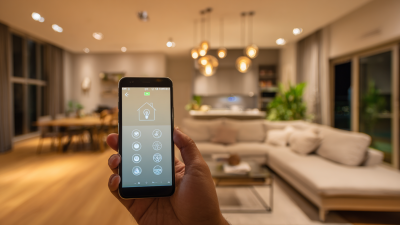
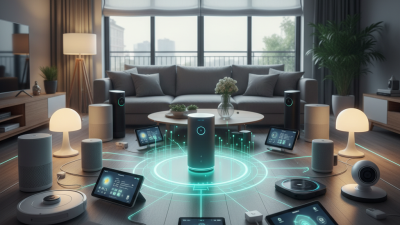
Moreover, pairing sensors with a central control hub can enhance functionality. This hub acts as the brain of the system. It collects data from multiple sensors and executes commands based on predefined conditions. Homeowners should regularly reassess their sensor placement and settings. Over time, preferences may change, affecting the system's efficiency. It’s essential to remain adaptable for the best results in home automation.
Future Trends in Smart Home Sensor Technology
The rapid evolution of smart home sensor technology is transforming the automation landscape. According to a recent market report, the global smart home sensor market is expected to grow to $15 billion by 2026. This growth is driven by demand for enhanced security and energy efficiency. Many households are now investing in Smart Home Kits to optimize their automation systems.
Emerging technologies are enabling more sophisticated sensors. For example, motion and occupancy sensors now use AI to learn habits. They adjust lighting and temperature automatically, creating a comfortable environment. However, concerns about data privacy and security persist. Homeowners worry about their personal information being compromised. While convenience is essential, the potential for misuse creates hesitation.
Wireless connectivity remains a challenge. Not every sensor is compatible with existing home networks. This fragmentation can lead to frustration. Homeowners may invest in Smart Home Kits, only to face integration issues. The challenge is to create a seamless experience. Continuous innovation is necessary to overcome these hurdles. Industry experts advocate for more standardization to streamline sensor functionality.
Maximize Home Automation with MOES Tuya WiFi Smart Switch: A Comprehensive Guide to Smart Control and Integration
Home automation has revolutionized the way we interact with our living spaces, offering unprecedented levels of control and convenience. A pivotal element in this ecosystem is the WiFi smart switch, allowing users to manage appliances and lighting through a centralized interface. Research indicates that the global smart home market is projected to reach USD 135.3 billion by 2025, driven by advancements in IoT technology and consumer demand for energy-efficient solutions.
Focusing on smart switches, these devices not only facilitate remote control via smartphone apps but also integrate seamlessly into broader home automation systems. With features such as scheduling, voice control, and energy monitoring, users can significantly enhance their home management capabilities. A study by Markets and Markets reveals that the smart lighting segment alone is estimated to grow at a CAGR of 24.5% during the forecast period, underscoring the increasing reliance on smart technology in everyday life.
Incorporating smart switches into a home automation setup is a straightforward process that can yield impressive results. By connecting these devices to a robust home network, users can achieve synchronization with various smart home products, ensuring a cohesive and efficient environment. As more households adopt smart technology, the potential for integrated systems to streamline daily routines continues to expand, positioning smart switches as essential tools in modern home automation.
FAQS
: It can improve efficiency. Users report better performance in daily tasks. Some notice reduced stress levels too.
Keep it in a cool, dry place. Avoid direct sunlight. A consistent environment can enhance its longevity.
Most users can benefit from it. However, some may experience minor discomfort initially. Listen to your body.
It generally lasts several months with proper use. However, wear and tear can occur. Regular checks are essential.
Some users report mild side effects. These may include temporary discomfort. If issues persist, reevaluate your usage.
Daily use tends to yield better results. However, overuse can lead to diminishing returns. Balance is key.
Many places offer returns. Check their specific terms before purchasing. It's wise to know your rights.
Yes, many users share experiences online. Reading reviews helps set realistic expectations. Be mindful of overly positive feedback.
Beginners should start slow. Gradually increase usage over time. Reflect on what works for you and adjust accordingly.
Look for measurable improvements. These may include productivity boosts or emotional changes. Regular self-reflection can help track progress.
Conclusion
In the evolving landscape of home automation, "Smart Home Sensors" are becoming essential components for enhancing security, energy efficiency, and overall home health management. These sensors come equipped with key features such as motion detection, temperature regulation, and air quality monitoring, enabling users to create a seamless and efficient living environment. By selecting the right sensors, homeowners can significantly improve their energy consumption patterns while ensuring their safety with reliable surveillance options.
Additionally, innovative sensors designed for health monitoring are paving the way for improved well-being within home settings. Integrating these smart sensors with existing home automation systems allows for a cohesive smart home experience. As technology advances, future trends indicate a more interconnected and responsive environment, making Smart Home Sensors integral to modern living. Their ability to adapt and provide real-time data will further transform how we interact with our homes.