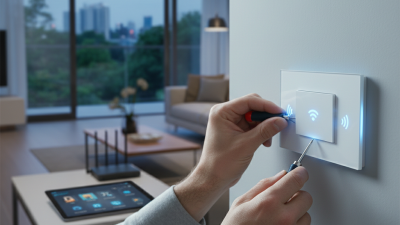
As we step into 2026, it's pretty clear that Smart Home tech keeps evolving at a pretty fast pace. With more folks looking for energy-saving solutions, Smart Motion Sensors are really becoming a must-have in today’s homes. I came across this report from MarketsandMarkets that estimates the global smart home market will hit about $174 billion by 2025 — and motion sensors are a big reason for that growth. Crazy, huh?
These sensors aren’t just about security; they make life a whole lot more convenient too. They can catch any movement, send alerts to homeowners, and even turn devices on or off automatically. Brands like Philips and Nest have definitely stepped up their game here. But, honestly, with so many options out there, it can be pretty overwhelming. Some models aren’t super reliable—they might miss important alerts or give false alarms—so it’s important to do a bit of homework and compare features.
Plus, if you pair a Smart Motion Sensor with things like a Motion Detector Light Switch, you can really maximize energy efficiency and boost your home security. Imagine having lights that turn on automatically when you walk into a room—awesome, right? But here’s the thing: loads of people don’t even realize they can do this or don’t know how to get the most out of it, which means they might not be making the full benefit of their system. Staying informed and picking the right gear can really make a difference—and honestly, it’s worth it in the long run.

The Emergence of Smart Motion Sensors in 2026: An Overview
The rise of smart motion sensors in 2026 marks a significant innovation in home automation. These devices enhance security and convenience, adjusting lighting and alerting homeowners to movement. With advanced technologies, they can differentiate between pets, people, and objects. This precision reduces false alarms, increasing reliability and user trust.
Motion Activated Light Switches play a crucial role in this evolution. They provide seamless control over home lighting, making spaces more efficient. Imagine walking into a dark room, and the lights flicker on automatically. This functionality enhances both comfort and energy savings. However, while these innovations are impressive, they can lead to over-reliance on technology.
User experience varies. Some find setup intuitive, while others encounter difficulties. Feedback loops from users drive better designs. As tech continues to advance, understanding user needs is vital. Balancing automation benefits with potential flaws requires ongoing reflection in this fast-paced industry.
Key Features to Look for in Smart Motion Sensors Today
As smart technology evolves, the importance of motion sensors in home automation grows. When choosing a smart motion sensor, several key features stand out. Sensitivity is crucial; the best sensors detect even the slightest movements. A reliable range ensures coverage of your intended area. This feature helps avoid gaps in security or automation.
Integration with existing Smart Home Systems plays a vital role. A seamless connection enhances functionality and user experience. Look for sensors that offer compatibility with various platforms.
Battery life is another critical aspect. Long-lasting batteries reduce maintenance and ensure consistent performance. Consider the placement of these devices; some may require adjustments for optimal detection.
Privacy features should not be overlooked. Certain models allow users to customize settings to avoid unnecessary alerts. Users may need to recalibrate occasionally. This fine-tuning helps avoid frustration with false alarms. Investing time in understanding these features will lead to a more efficient home environment. Balancing functionality with ease of use remains a challenge, yet it's essential to find the right fit for your needs.
Comparative Analysis of Leading Smart Motion Sensor Brands
As smart home technology evolves, motion sensors have gained prominence. They enhance security and energy efficiency. Each brand offers unique features and specifications that cater to varied user needs. Comparing these aspects helps consumers make informed decisions.
Some motion sensors excel in detection range. They can monitor larger areas effectively. However, limitations in sensitivity may lead to false alarms or missed movements. Others focus on advanced analytics. They can distinguish between pets and humans. This feature reduces unnecessary notifications but may be cumbersome for some users.
User experience plays a key role in the effectiveness of these sensors. Installation procedures vary widely, impacting usability. A complex setup can deter users from fully leveraging the technology. Moreover, device compatibility is crucial. Some may not integrate well with existing smart home ecosystems. Reflecting on these factors enhances understanding. Users can determine which traits align with their lifestyle.
Comparative Analysis of Smart Motion Sensor Performance in 2026
Market Trends Influencing Smart Motion Sensor Development in 2026
The smart motion sensor market is evolving rapidly in 2026. Key trends drive development in this technology. First, energy efficiency is a major focus. Consumers want devices that conserve power while offering enhanced security. Motion sensors now integrate advanced energy-saving protocols. This shift is crucial for sustainable living.
Another trend is improved connectivity. Many sensors now utilize ZigBee technology. This can lead to seamless integration with the Tuya Smart Home Security Alarm System. The aim is to create a cohesive smart environment. Moreover, compatibility with Alexa and other voice assistants is becoming expected. Users appreciate the convenience of voice-activated control.
Tip: When selecting a motion sensor, assess its energy efficiency ratings carefully. A more efficient device saves on electricity bills while providing reliable services.
Users are increasingly aware of their security needs. However, it’s also important to consider privacy implications. A smart motion sensor captures data about movement patterns. Understanding how this data is used is essential. Opt for devices that prioritize user data protection and transparency.
Tip: Research the security measures surrounding your choice of smart devices. Make informed decisions to protect your private information from unauthorized access.
The Impact of Smart Motion Sensors on Home Security Solutions
Smart motion sensors are transforming home security solutions dramatically. These devices offer enhanced surveillance capabilities and real-time alerts. According to a recent report by Markets and Markets, the global smart home security market is projected to reach $74.75 billion by 2025. This growth highlights the increased demand for effective monitoring systems.
Motion sensors can detect movement and send notifications directly to homeowners. This feature allows swift responses to potential intrusions. Data from Statista shows that, in 2022, nearly 28% of U.S. households used smart motion sensors. Many homeowners value the combination of convenience and safety these devices provide. Still, challenges remain, such as false alarms triggered by pets or environmental changes.
Consumers need to manage expectations about reliability. Many factors can influence sensor accuracy. Advanced algorithms can help, but they are not perfect. As smart homes evolve, integrating these systems becomes essential for overall security. Understanding how these devices work is crucial for maximizing their effectiveness. Each installation should prioritize unique household needs and environmental factors.
Energy Efficiency and Cost Savings: Benefits of Modern Motion Sensors
Modern motion sensors are becoming essential for homes and businesses. These devices not only enhance security but also promote energy efficiency. They detect movement and automatically turn on lights or other appliances, reducing unnecessary energy consumption. People often overlook how much power they waste when leaving lights on in unoccupied areas. A well-placed Movement Sensor Light Switch can address this issue effectively.
Installing smart motion sensors can lead to significant cost savings. When lights turn off automatically in empty rooms, the electricity bill decreases. Users can experience noteworthy reductions over time. However, not all sensors perform equally. Some may have sensitivity issues or delays that frustrate users. It's important to choose reliable options and test them in various conditions for optimal performance.
Additionally, integrating these sensors into a home automation system can enhance convenience. Imagine walking into a room and having the lights come on seamlessly. Yet, it's essential to remain vigilant about potential privacy concerns. People may feel uneasy knowing sensors are monitoring their movements. Transparencyand user control are crucial in addressing these worries while maximizing the benefits of movement sensor Light Switches.
Future Innovations: What’s Next for Smart Motion Sensor Technology?
The evolution of smart motion sensors continues to impress. In 2026, we expect several groundbreaking innovations. Research indicates that the smart motion sensor market will reach $6.7 billion by 2025, reflecting a compound annual growth rate (CAGR) of 15.2%. These advancements primarily focus on enhanced accuracy and energy efficiency.
WiFi human presence sensors are becoming more sophisticated. They now integrate seamlessly with light sensors, optimizing energy use in homes and offices. This integration results in about a 30% reduction in energy consumption. However, challenges persist. Privacy concerns arise as these sensors gather detailed data on user movements. Striking a balance is crucial.
Tips: When selecting a smart motion sensor, consider its compatibility with your existing systems. Assess its features based on your needs. Some sensors may offer unnecessary functionalities, leading to complexity. Emphasizing user-friendliness and reliability is vital as we embrace these technologies.
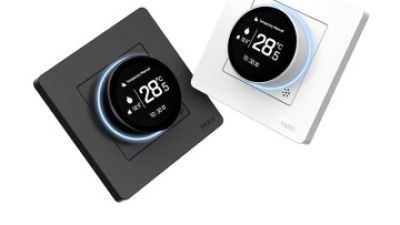
Enhancing Home Comfort with MOES Tuya ZigBee Smart Knob Thermostat: A Guide to Effective Temperature Control
Effective temperature control is essential for enhancing home comfort, particularly during extreme weather conditions. The MOES Tuya ZigBee Smart Knob Thermostat provides a practical solution for homeowners seeking to manage their indoor climate efficiently. According to a report by the International Energy Agency, heating and cooling account for almost 50% of energy consumption in residences. This highlights the importance of utilizing smart technology to ensure optimal temperature settings while minimizing energy waste.
The Star Ring Series temperature controller not only allows precise temperature adjustments for water boilers but also integrates seamlessly with existing smart home systems. As per a survey by the Smart Home Market Report, nearly 30% of consumers are now incorporating smart thermostats into their homes to improve energy efficiency and provide greater control over heating systems. With the ability to remotely manage temperature settings through a smartphone app, users can ensure their homes are at the perfect comfort level, even when they are away.
In addition to convenience, smart thermostats like the MOES Tuya ZigBee model can contribute to significant cost savings. A study from the U.S. Environmental Protection Agency indicates that properly utilized programmable thermostats can reduce energy bills by an average of 10-30%. By investing in advanced heating controls, homeowners not only enhance their comfort but also contribute to a more sustainable future.
FAQS
: They enhance home automation by improving security and convenience.
They send real-time alerts and detect movement effectively.
Yes, they can differentiate between people, pets, and objects.
Some experience difficulties during setup, while false alarms may occur.
Advanced algorithms help, but they are not entirely dependable.
It is expected to reach $74.75 billion by 2025, indicating high demand.
It drives better designs and enhances user experience over time.
Over-reliance can lead to issues if the technology fails or malfunctions.
Unique household needs and specific environmental factors are crucial.
Yes, factors like placement and environment significantly affect performance.
Conclusion
Smart motion sensors have emerged as a pivotal technology in home security solutions in 2026, offering enhanced features that blend functionality with convenience. Key features to consider include advanced detection capabilities, integration with smart home systems, and energy-efficient operation, which contribute to both safety and cost savings. A comparative analysis of various leading sensors reveals diverse functionalities tailored to meet the demands of modern users.
Market trends significantly influence the development of smart motion sensors, driving innovations that enhance user experience and efficiency. The future holds exciting prospects for this technology, with ongoing advancements likely to further improve security measures and energy management in residential settings. As smart motion sensors continue to evolve, they play a crucial role in shaping smart home environments, offering both protection and sustainability.