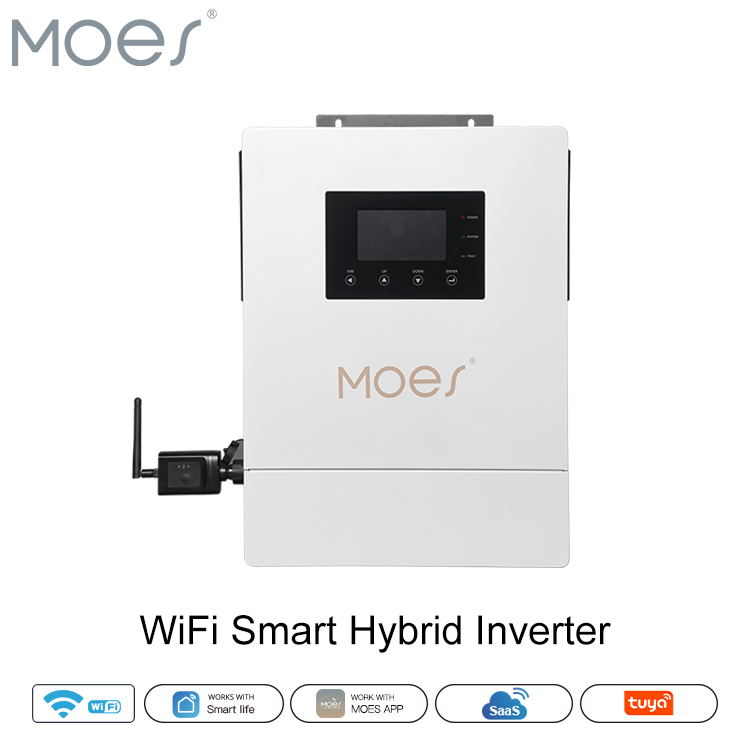
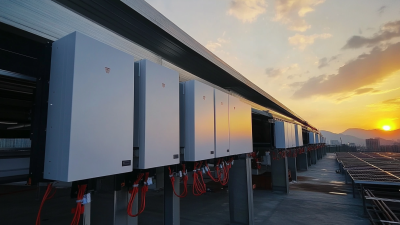
You know, the last few years have really shaken things up in the global power inverter market, especially with all the trade drama going on between the U.S. and China. It’s pretty interesting to see how Backup Power Inverters have become a key player in this industry growth. According to the International Energy Agency, they're expecting this segment to grow at a compound annual growth rate (CAGR) of about 5.2% in the next five years. Even though there are reciprocal tariffs making life tougher for many manufacturers, companies like Sungrow Power Supply and Huawei are doing pretty well. They've found ways to adapt and keep their revenues climbing. With their focus on innovation and R&D, they’ve really emerged as leaders in the space, almost turning those tariffs into a non-issue for them. As China tightens its grip on the global inverter market, it’s fascinating to see how this highlights a broader trend of resilience and growth, especially in renewable energy tech.
China's Growing Dominance in Power Inverter Manufacturing Despite Tariff Obstacles
You know, China's power inverter manufacturing game has really taken off, becoming a major player worldwide. It's impressive, especially considering all the issues they've been facing with tariffs and trade spats with the U.S. What's really cool is how much they're investing in tech and innovation. These manufacturers are not just making their products more efficient and dependable; they're also cutting down production costs by making the most of economies of scale. This smart strategy helps them keep their edge, even when tariffs get in the way.
And let's not forget about their strong supply chain. China's got the upper hand here, with loads of raw materials and a skilled workforce that help them meet the growing needs of both their local market and international buyers. With renewable energy sources like solar and wind really picking up steam globally, the demand for top-notch power inverters is shooting through the roof. China's manufacturing strength, paired with their focus on sustainability and clean energy tech, really puts them at the forefront of this essential industry. They're totally reshaping the global power solutions landscape!
Power Inverter Market Share by Region (2023)
Strategies Adopted by Chinese Manufacturers to Navigate Tariff Challenges
You know, Chinese manufacturers have really been showing some serious grit in the power inverter game, especially with all the tariff hurdles thrown their way by the US. They've been pretty smart about it, too! A lot of companies are shaking things up by diversifying their supply chains and getting raw materials from different countries. This not only helps them keep costs down but also means they don’t have to rely too heavily on one single market.
On top of that, these manufacturers are really pouring money into research and development. They’re all about boosting the efficiency and innovation of their products. By zeroing in on advanced tech and top-notch quality, they’re looking to stand out from the crowd and pull in more customers. Plus, they’re adopting sustainable practices and really focusing on energy efficiency, which totally appeals to eco-conscious buyers out there.
**Tip:** If you want to tackle those pesky tariffs more effectively, think about teaming up with some overseas suppliers. It could open up access to shared resources and give you better insights into the latest market trends.
**Tip:** Staying ahead means investing in R&D is a must! Work on creating unique features or sprucing up your designs – that can help you justify a higher price and turn customers into loyal fans.
China's Resilient Growth in Power Inverters Amidst US-China Tariff Challenges
The chart below illustrates the annual sales growth of Chinese power inverter manufacturers from 2018 to 2022, showing their strategies to counteract the impact of US tariffs.
The Influence of Innovation on China's Resilient Power Inverter Sector
You know, China's power inverter sector is really holding its own, showing some pretty impressive resilience. A big part of that is thanks to all the innovation happening, especially with the ongoing tariffs from the U.S. One interesting thing to note is the growing global shift towards decentralized Inverter Systems. They’re anticipating this market to skyrocket to around USD 99.2 billion by 2035—it’s massive! This rise is mainly driven by our transition to renewable energy and the ever-increasing need for flexibility in the grid, which is really exciting for creating a more sustainable energy landscape.
In this atmosphere of innovation, Chinese companies are really stepping up their game when it comes to advanced inverter technologies. These new developments are super important for boosting power system stability and building infrastructures that rely heavily on renewable energy, ultimately allowing us to enjoy clean, emissions-free energy. Lately, it’s been pretty noticeable how these Chinese tech firms are showcasing their ability to adapt on international stages, even while dealing with external sanctions. This combination of innovation and adaptability really puts China in a strong position in the power inverter market, especially as other areas also start to invest more in technology and infrastructure to stay competitive in this growing field.
Evaluating the Impact of Tariffs on US-China Trade Relations in the Inverter Market
You know, as the US and China keep trying to figure out their trade relationship, The Inverter market really shows us how tariffs can shake things up in international trade. So, these tariffs were meant to help protect local businesses, but they've ended up changing the whole game for power inverters, making things more expensive for both consumers and manufacturers. But here's the silver lining: Chinese inverter makers have shown a lot of grit. They're using their production know-how and tech savvy to stay competitive, not just at home but also on a global scale.
Now, when we talk about the impact of tariffs, it's not just about price hikes. Businesses are really taking a hard look at their supply chains, and many US companies are on the hunt for alternatives to lessen the tariff blow. This could really shake up partnerships and how they source their materials. It’s kind of cool, though, because this shift has pushed Chinese manufacturers to get creative, rolling out new products and upgrading their capabilities to keep up with what the market wants. So, when you look at the inverter market, it's not just about the struggles caused by tariffs—it’s also a window into how companies are adapting and trying to thrive, even when things get uncertain.
Future Trends: How China's Power Inverter Industry Will Evolve Post-Tariff
With all the tariff drama between the US and China, it looks like China’s power inverter industry is really about to shake things up. Manufacturers are learning to roll with the punches of international trade uncertainties, and you can bet that innovations in tech and how things are made are going to fuel some serious growth. This bounce-back is really thanks to a strong domestic market and a growing appetite for renewable energy solutions, particularly when it comes to electric vehicles and solar power.
Now, if you're a business trying to navigate this tricky landscape, a good tip is to put more emphasis on R&D. This can really boost your product efficiency and sustainability, which are super crucial these days. Plus, pouring some resources into advanced technologies can help lower production costs and make you more flexible when market shifts hit, thanks to those pesky tariffs. And don’t forget about building solid partnerships within your supply chain; it’s a smart way to tackle risks that come up with global sourcing challenges.
Also, keep an eye on how consumers are leaning more towards those smart, integrated systems. The rise of IoT in energy management is opening up some exciting avenues for power inverter manufacturers to innovate and diversify what they offer. By syncing up product development with these emerging trends, companies can really set themselves up for lasting success as the market continues to evolve.
Opportunities for Collaboration Amidst Tariff-Induced Tensions in the Inverter Market
You know, with all the back-and-forth over tariffs between the US and China lately, the inverter market is really in a bit of a tight spot, but there's also a silver lining when it comes to teamwork. A recent report from MarketsandMarkets suggests that the global power inverter market could hit around $16.5 billion by 2026, which is a pretty impressive jump at a growth rate of 8.9% since 2021. This boom clearly shows that there's a strong demand for inverters, especially when it comes to renewable energy applications that are critical for hitting those sustainability targets we all care about. As companies wade through these choppy trade waters, working together—especially between US and Chinese firms—could spark some cool innovations and make things a bit more efficient in tech.
So, here's a tip: if companies want to succeed in this collaborative space, they really need to prioritize open communication and joint research initiatives. Pooling their expertise can help them tackle the risks that come with tariffs while stepping up product development.
On top of that, as the US looks to reduce its dependency on Chinese products, there are still chances for exciting joint ventures, particularly in the cutting-edge realm of inverter technology, like energy storage systems and smart inverters. A report from Grand View Research even indicates that the segment focusing on energy storage inverters is set to grow a lot, driven by the rising use of renewable energy sources.
So for all the businesses out there keen on jumping into this field, consider teaming up with tech firms to boost research and development. Plus, there's the added bonus of federal incentives for renewable energy projects! This kind of strategic approach can help both markets flourish, even with the ongoing tariff hiccups.
Maximizing Energy Independence: The Advantages of Low Frequency Pure Sine Wave Hybrid Solar Inverters
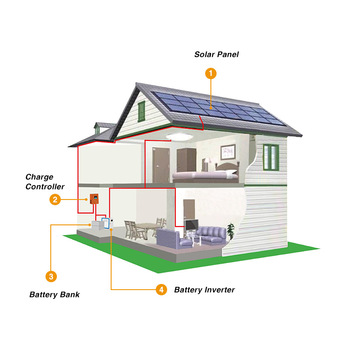
In recent years, the push for energy independence has gained momentum, with technologies such as low frequency pure sine wave hybrid solar inverters leading the charge. These inverters not only provide efficient power conversion from solar energy but also ensure that the output is cleaner and more stable, which is essential for the proper functioning of sensitive electronics. According to the International Renewable Energy Agency (IRENA), the integration of solar inverters in residential systems can reduce dependence on grid electricity by up to 50%, empowering homeowners to control their energy consumption more effectively.
The advantages of low frequency pure sine wave hybrid solar inverters extend beyond mere energy independence. They exhibit a remarkable ability to manage intermittent energy sources, ensuring that homeowners have a reliable supply of power during outages or peak demand periods. A report by the U.S. Department of Energy highlights that using hybrid systems can increase energy utilization efficiency by as much as 60%, maximizing returns on investment for solar panel installations. Moreover, these inverters are compatible with energy storage systems, enabling users to harness excess energy generated during the day for use at night, thus optimizing the overall energy management process.
Furthermore, the environmental impact of utilizing low frequency pure sine wave hybrid solar inverters cannot be understated. With a growing emphasis on sustainable practices, this technology supports the transition to cleaner energy. The Global Wind Energy Council (GWEC) estimates that if renewable technologies are effectively employed, they could meet up to 80% of global energy needs by 2050. By investing in these advanced inverters, individuals not only contribute to their energy security but also play a pivotal role in the broader movement towards a more sustainable and resilient energy future.
FAQS
: Chinese manufacturers are diversifying their supply chains, sourcing raw materials from various countries to mitigate the impact of tariffs and reduce costs.
Investments in R&D enhance product efficiency and innovation, helping manufacturers differentiate themselves and attract a broader customer base.
Emphasizing energy efficiency appeals to environmentally conscious consumers and aligns with global trends towards sustainable practices.
The market size for decentralized inverter systems is projected to reach USD 99.2 billion by 2035, driven by the transition towards renewable energy.
Despite facing external sanctions, Chinese companies showcase resilience through innovation and adaptability, participating in international platforms.
Innovation enhances power system stability and supports the creation of renewable energy infrastructures, contributing to the overall growth of the sector.
Engaging in strategic partnerships with overseas suppliers can lead to shared resources and better insights into navigating market trends, which helps reduce tariff impacts.
Factors include innovation in advanced inverter technologies, a focus on clean energy, and the growing global demand for decentralized inverter systems.
Developing unique features or improved designs can justify higher price points and build customer loyalty, helping manufacturers maintain competitiveness.
The transition toward renewable energy is essential for creating a more sustainable energy landscape and increasing the demand for advancements in inverter technology.