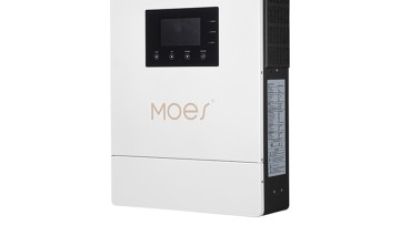
Lately, renewable energy has been getting a lot more attention, and honestly, solar power systems are pretty exciting right now. Out of all the options out there, a Hybrid Inverter really catches the eye. It’s one of those tech things that offers some pretty cool benefits when it comes to managing your energy.
If you’re thinking about adding a Hybrid Inverter to your solar setup, you're probably making a smart move. It efficiently blends solar power with battery storage, so you can squeeze more out of your energy use. Plus, with a Hybrid Pv Inverter, you get better control over how you use your energy—more flexibility, basically. It's not just about saving a bit of cash; it’s also about being more sustainable and prepared for unexpected stuff.
That said, it’s important to think about your own situation because not every system fits everyone perfectly. Sure, the upfront cost of a Hybrid Inverter can be pretty steep, which might put some folks off. But if you look at the long-term savings and benefits, it might be worth it. Embracing this kind of tech takes a bit of planning and some reflection — but overall, it’s a pretty awesome upgrade if you ask me.
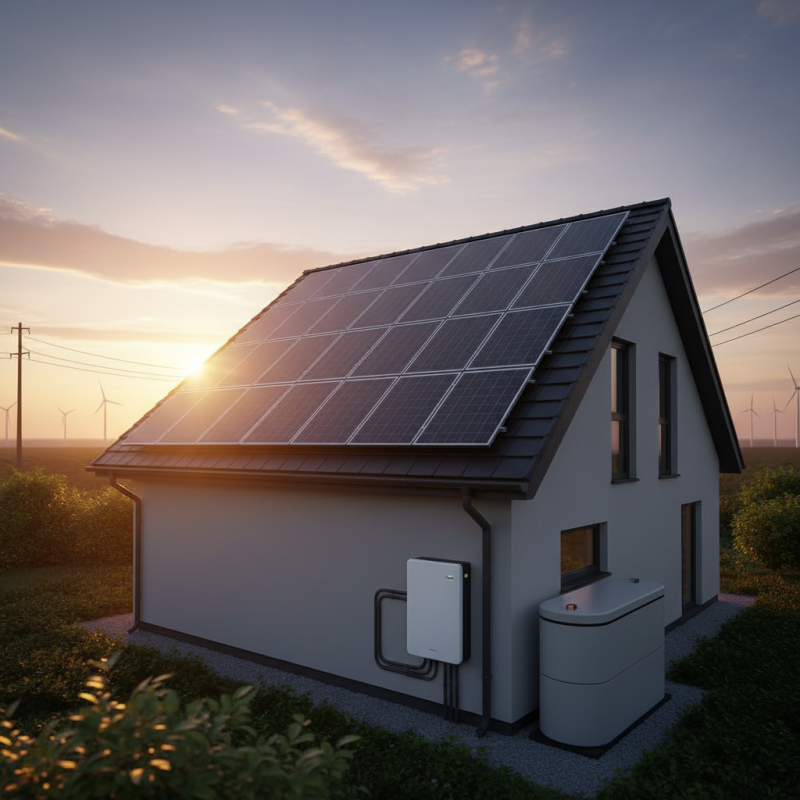
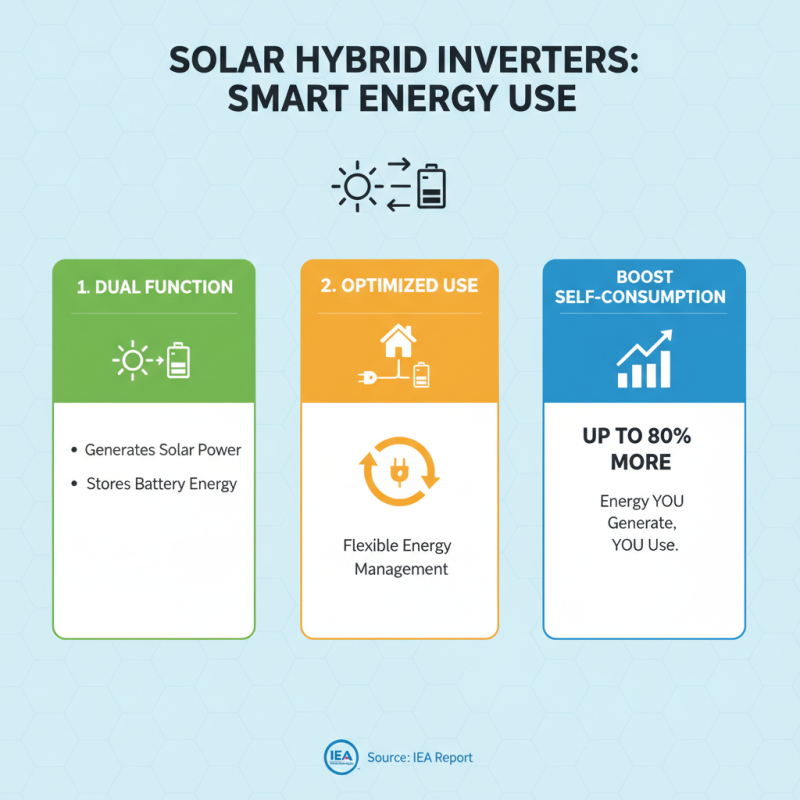
Hybrid inverters play a crucial role in solar energy systems. They combine solar power generation and battery storage. This integration allows for flexibility in energy use. A major report from the International Energy Agency indicates that hybrid systems can improve self-consumption rates by up to 80%. This means homeowners can use more of the energy they generate.
Choosing a hybrid inverter can enhance energy management. Users can draw power from the grid, batteries, or solar panels. A smart system adjusts to energy needs in real-time. However, the complexity of such systems requires careful planning. System integration may present challenges. For example, not all batteries work seamlessly with all inverters. Misalignment can lead to inefficiencies.
Recent studies reveal that hybrid inverters account for about 30% of all inverter sales worldwide. Their popularity continues to rise. Consumers seek better control over energy use. The evolving technology appears promising, yet it demands reliable information. Users must be informed to avoid poor investments. The path to optimizing energy systems can be cumbersome.
Solar energy systems have become increasingly popular worldwide. Each system consists of various components that work together to harness sunlight. Key components include solar panels, charge controllers, batteries, and inverters. These parts play unique roles in converting solar energy into usable electricity for homes and businesses.
Hybrid inverters are particularly valuable. They allow flexibility in energy use. With a hybrid inverter, users can draw power from solar panels, batteries, or the grid. This arrangement enhances efficiency and ensures a stable energy supply. Many users appreciate the ability to store excess energy and use it during peak hours.
However, choosing a hybrid inverter may not be straightforward. Users must consider installation costs and maintenance needs. Not all systems perform equally. Potential buyers should reflect on their specific energy needs and local regulations. The right choice can lead to long-term benefits, while a poor decision may lead to frustrations down the line. Balancing renewable energy with cost-efficiency requires careful thought.
When considering solar energy systems, hybrid inverters offer numerous advantages over traditional inverters. A hybrid inverter can be connected to both solar panels and battery storage. This feature allows for flexibility in energy management. Imagine generating power during the day and storing excess energy for nighttime use. This capability leads to increased energy independence.
Efficiency is another key aspect. Hybrid inverters optimize energy usage by managing multiple energy sources. They seamlessly switch between solar energy, battery storage, and the grid. This optimization can reduce reliance on grid energy during peak hours, leading to cost savings. However, installation complexity might arise. Some users find the setup daunting.
Hybrid systems can also provide backup power during outages. This reliability is essential for homes that depend on consistent energy. However, the initial investment may be higher than traditional inverters. Users should consider the long-term benefits versus the upfront costs. In some cases, choosing a standard inverter may seem simpler, but a hybrid inverter’s flexibility can be worth it.
Hybrid inverters play a crucial role in maximizing the efficiency of solar energy systems. They manage energy storage and consumption effectively. According to the National Renewable Energy Laboratory, systems using hybrid inverters can increase energy savings by up to 30%. This can lead to significant reductions in electricity bills over time.
The 8kw Hybrid Inverter is particularly notable for its ability to work seamlessly with both solar panels and battery storage. This flexibility allows homeowners to use solar energy during peak demand times. Studies show that homes with hybrid systems can reduce reliance on the grid by over 70%. However, some users may face challenges integrating these systems into existing setups. Proper configuration is essential to optimize performance.
Data from the Solar Energy Industries Association indicates that hybrid inverter adoption has risen by 50% in the last two years. This growth reflects their advantages. Still, it's crucial to assess suitability for individual energy needs. Some installations may not fully capitalize on the potential benefits. Continuous advancements in technology will play a key role in addressing these challenges.
When considering a solar energy system, a hybrid inverter stands out. Key features play a vital role in making this choice advantageous. A good hybrid inverter manages energy from both solar panels and the grid. This flexibility allows for greater efficiency and lower energy bills.
One important aspect to look for is power output. A 5kw Hybrid Inverter can support various household needs. It provides enough energy for lights, appliances, and even electric vehicles. Look for inverters with advanced monitoring capabilities. They give real-time performance data. This feature helps track solar generation and consumption effectively.
In addition, storage capabilities matter. A hybrid inverter should integrate seamlessly with battery storage systems. This ensures energy is available when sunlight is not. However, not all hybrid inverters offer the same level of compatibility with batteries. Research carefully before making a decision.
Tips: Consider your energy consumption patterns. A hybrid inverter can adjust to your needs. Always check warranty terms and customer support services. These can save you time and trouble down the line. Remember to think about future upgrades. You might want more capacity later.
When considering hybrid Inverter Systems, installation plays a crucial role in performance. A 5kva Hybrid Inverter requires careful assessments of your space and energy needs. Choose a location with adequate sunlight exposure and ventilation. Avoid shaded areas that can undermine efficiency.
Wiring is another critical aspect. Ensure that The Inverter is compatible with your existing electrical systems. This may involve consulting with an electrician to avoid common mistakes. Simple oversights in connection can lead toperformance issues later. Additionally, consider the placement of battery storage. It should be easily accessible for maintenance but away from moisture or heat sources.
Regulatory compliance is often overlooked. Research local laws and building codes. Ignorance can lead to costly fines or necessary adjustments post-installation. If the installation seems daunting, don’t hesitate to seek professional assistance. Errors in installation can diminish the benefits of your hybrid system. Take the time to plan thoroughly for optimal implementation.
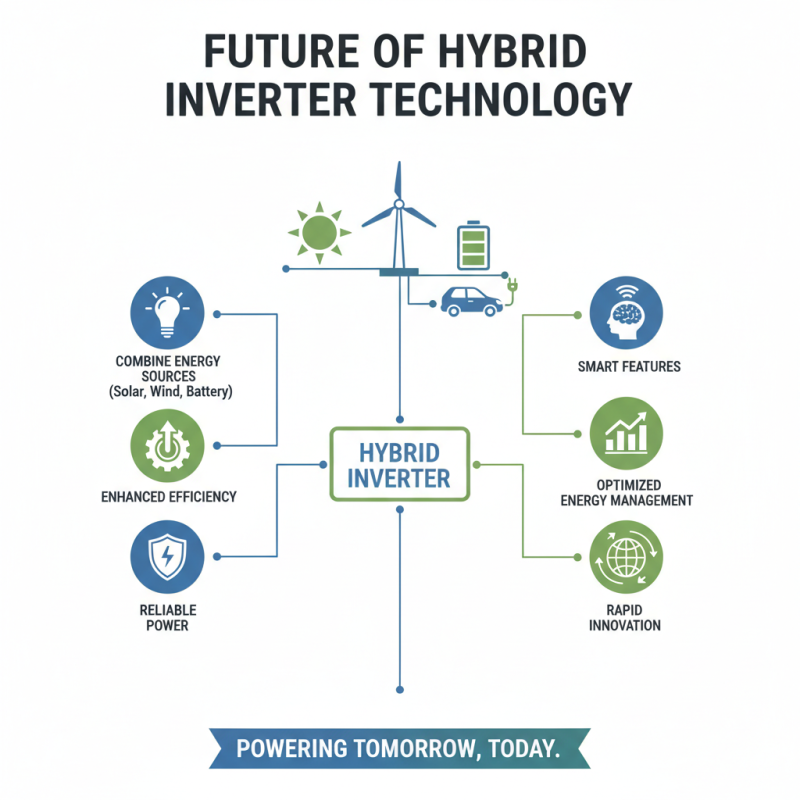
The future of hybrid inverter technology is promising. These devices combine multiple energy sources. They enhance efficiency and provide reliable power. Innovations are emerging rapidly in this field. Many systems now have smart features. They can manage energy use effectively.
Connectivity is key in future designs. Users can monitor their energy systems in real time. This capability helps optimize performance. Imagine adjusting your settings from your phone. Such convenience adds value to your investment. Some models like a 10kw Hybrid Inverter are set to lead this wave of advancement.
Tips: Consider the size of your energy needs. A larger inverter may be necessary for bigger households. Always assess the efficiency ratings before purchase. The right choice can save money over time. Remember, technology changes fast. Stay updated on the latest features and improvements.
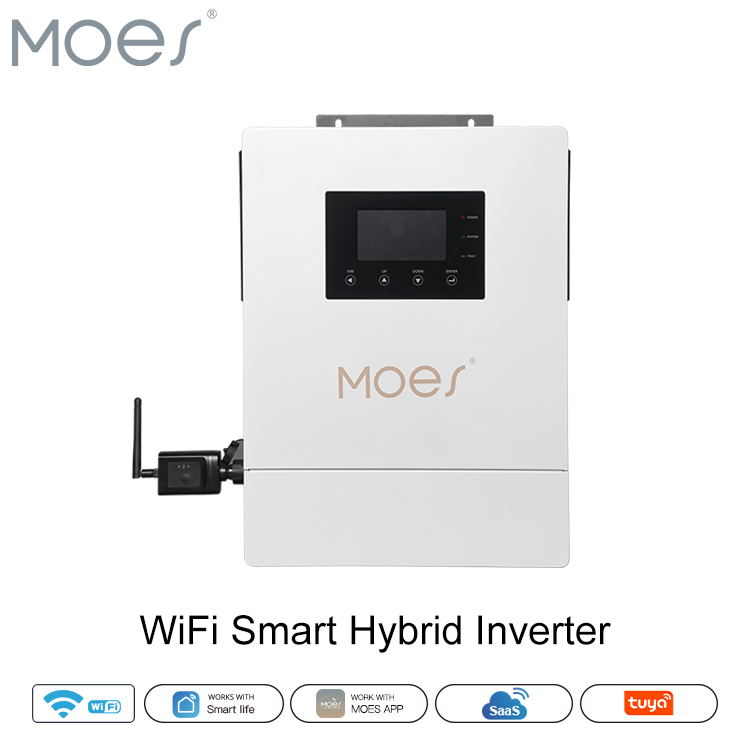
In the pursuit of sustainable energy solutions, leveraging renewable resources has become increasingly vital, especially in off-grid settings. The WiFi Smart Hybrid Solar Inverter stands out in this context as a multifunctional device tailored to meet the demands of modern energy management. This inverter/charger is not merely an energy converter; it integrates the capabilities of an inverter, solar charger, and battery charger into one compact unit, making it an ideal choice for portable and uninterruptible power supply needs.
One of the most compelling features of this inverter is its comprehensive LCD display, which offers users the flexibility to easily configure settings based on their unique energy requirements. With adjustable options for battery charging current, AC charger priority, and input voltage, users can ensure optimal performance tailored to their specific applications. Furthermore, the integration of WiFi technology dramatically enhances user experience by enabling remote monitoring and control. This means that users can receive fault alerts and manage their energy consumption from virtually anywhere, whether in a residential or industrial environment. The combination of these functionalities not only simplifies energy management but also contributes to greater efficiency and reliability in off-grid solar systems.
: The service helps users find information quickly. It connects them to resources they need.
Anyone seeking information can benefit. Students, professionals, and curious individuals often find it useful.
Information is updated regularly. Contributors submit new data and review existing entries for accuracy.
The service is generally free. However, some premium features may require a fee.
Most information is vetted by contributors. However, users should always verify facts before reliance.
Users should report inaccuracies. This helps improve the quality for everyone.
Users can search for a wide range of topics. However, sensitive or illegal content is not allowed.
Users can submit feedback through a contact form. Sharing thoughts helps enhance the service.
Yes, the service is accessible on various mobile devices. Users can browse and search easily.
Users should check the help section first. If issues persist, reporting them will lead to assistance.
Hybrid inverters are an essential component of modern solar energy systems, blending functionality with flexibility to optimize energy management. These innovative devices not only convert solar energy into usable electricity but also facilitate energy storage, enabling users to store excess power for later use. Understanding the basics of hybrid inverters reveals their distinct advantages over traditional inverters, including better energy efficiency and enhanced capabilities for managing renewable energy sources.
When choosing a hybrid inverter, it's crucial to consider features such as capacity, efficiency ratings, and compatibility with energy storage systems. Proper installation and an awareness of future trends in hybrid inverter technology can further maximize the benefits of integrating these systems into residential or commercial energy solutions. As the demand for sustainable energy alternatives grows, hybrid inverters will continue to play a pivotal role in optimizing energy storage and usage, paving the way for smarter, greener energy systems.