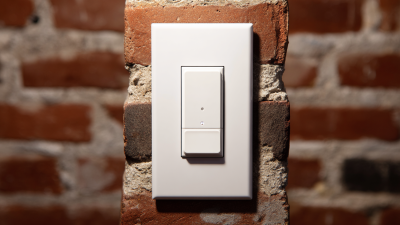
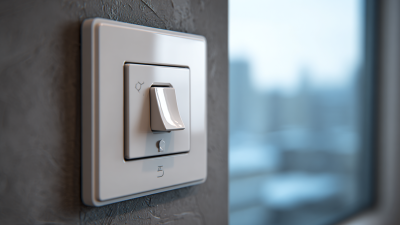
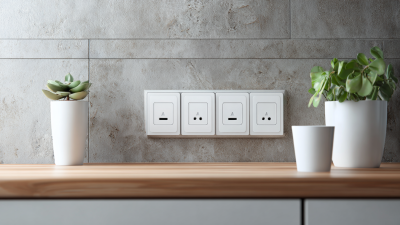
You know, with more and more folks hopping on the home automation wave, Smart Light Switches are really becoming a game-changer for making our homes not just smarter, but also more energy-friendly. I read somewhere—Grand View Research, to be exact—that by 2026, the global smart home market might hit about $1.4 trillion. And a big chunk of that growth? Well, it’s all about smart lighting. These switches aren’t just about cool tech—they actually make life easier, giving you quick control over your lights, and they help save energy too—something that’s pretty important these days if you ask me.
Plus, a report from the Consumer Technology Association sprouted that more than 46% of households in the U.S. already own at least one smart device. And honestly, that number’s probably gonna keep climbing into 2025 and beyond. When you add a smart switch into the mix, you get better control over lighting, cut down on energy use, and even boost security with timers and schedules—pretty neat, right? Since technology keeps evolving so fast, lots of homeowners are keen to upgrade their setups, but it’s also good to know how to pick and install these switches the right way. Doing that means their homes stay up-to-date with the latest gadgets and are ready to take advantage of future smart home improvements without a hitch.
Understanding Smart Light Switches: Features and Benefits
Smart light switches are an innovative solution for modern homes, offering numerous features and benefits that enhance convenience and energy efficiency. These devices allow you to control your home lighting remotely via a smartphone app or voice commands, making it easier to manage your lighting needs from anywhere. Additionally, many smart switches support automation, enabling you to set schedules or link them with other smart home devices. This level of control not only improves your quality of life but also helps in reducing energy consumption, contributing to a more sustainable home.
When considering smart light switches, it's essential to explore the various features they offer. Look for switches that include dimming capabilities, which allow you to adjust the brightness based on your mood and the time of day. Another beneficial feature is compatibility with various smart home ecosystems, ensuring that you can integrate your lighting seamlessly with other smart devices. For security, consider switches that have a "vacation mode," mimicking your usual lighting patterns while you’re away, thereby deterring potential intruders.
Tips: Always check the specifications of your existing wiring and electrical systems before purchasing smart switches to ensure compatibility. Additionally, consider how intuitive the user interface is; finding a system that is easy to operate can significantly enhance your experience. Lastly, explore the potential for future upgrades, as technology evolves rapidly, and ensuring your smart switches can adapt is crucial for long-term satisfaction.
How to Choose and Install Smart Light Switches for Your Home in 2025
| Feature | Description | Benefits |
| Remote Control | Allows you to control lights via smartphone apps or voice assistants. | Convenience of controlling lights from anywhere; energy savings. |
| Scheduling | Set specific times for lights to turn on/off automatically. | Enhances security; automates household routines. |
| Dimming Capability | Adjusts brightness levels to fit your needs. | Improves ambiance; energy efficiency. |
| Compatibility with Smart Home Systems | Works with existing smart home devices and ecosystems. | Seamless integration; enhanced control across devices. |
| Energy Monitoring | Tracks energy consumption of connected lights. | Identifies saving opportunities; promotes eco-friendly habits. |
Assessing Compatibility with Your Home's Electrical System
When choosing and installing smart light switches for your home, one of the pivotal factors to assess is their compatibility with your existing electrical system. According to a report by the National Electrical Manufacturers Association, approximately 60% of homes built before 2000 may not meet the technical requirements for advanced smart switch technologies. Before installation, homeowners should review their wiring systems, particularly for compatibility with features such as multi-way switch setups or homes with older knob-and-tube wiring.
Moreover, the type of home wiring—reliable information on whether it is grounded or ungrounded—can significantly influence the type of smart switch suitable for installation. The U.S. Department of Energy estimates that almost 30% of households contain outdated electrical systems that do not have the necessary capacity for modern smart home devices. Prior to making a purchase, homeowners should conduct a thorough electrical assessment to ensure that their current wiring meets the electrical load and safety standards required for smart switches. This proactive step not only ensures proper functionality but also enhances the safety and efficiency of your smart lighting system.
Choosing the Right Smart Light Switch Types for Your Needs
When selecting smart light switches for your home, it’s essential to consider the various types available and how they align with your specific needs. One major distinction is between dimmable and non-dimmable switches. If you enjoy adjustable lighting that can change the ambiance of a room, a dimmable smart switch is ideal. These allow you to customize the brightness levels, making them suitable for spaces like living rooms or home theaters where mood lighting is paramount. However, if you prefer straightforward on-off functionality, a standard non-dimmable switch may suffice.
Another critical factor to evaluate is compatibility with your smart home ecosystem. Different switches may operate on various protocols like Wi-Fi, Zigbee, or Z-Wave. Assessing your existing smart devices will help ensure seamless integration and functionality. Additionally, consider the physical layout and design; options range from traditional switches to more modern touch-sensitive panels. Understanding these categories will not only enhance your home’s convenience but also improve energy efficiency. Selecting the right type of smart light switch can transform your living space into an intelligent and versatile environment tailored to your lifestyle.
Exploring Smart Light Switch Brands and Models in 2025
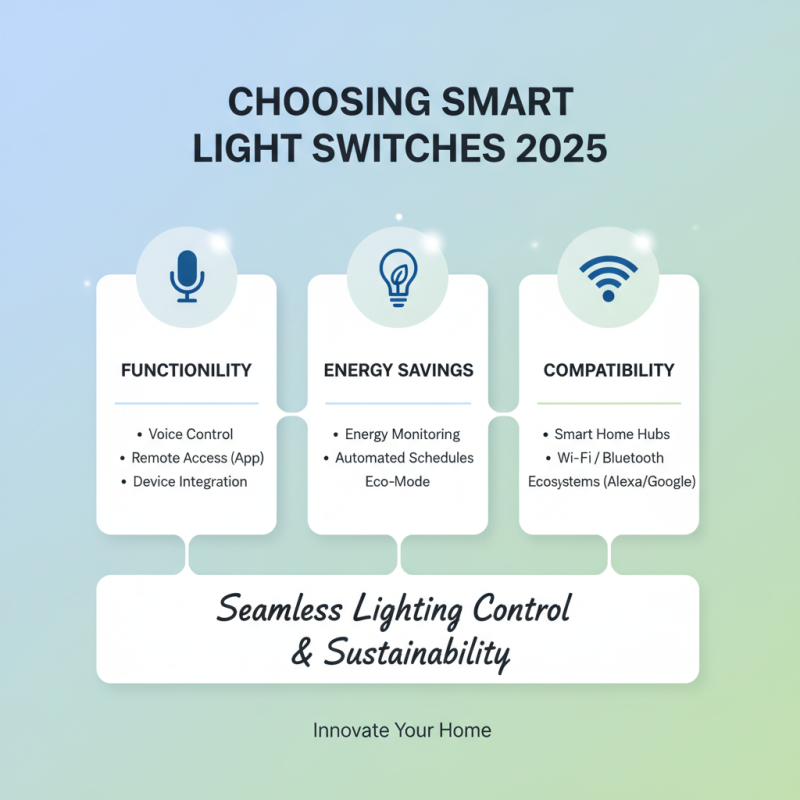
When exploring smart light switch brands and models in 2025, it's essential to consider functionality, design, and compatibility with your existing smart home ecosystem. The market is flooded with various options tailored to diverse user preferences. Some models offer enhanced features such as voice control, remote access via smartphone apps, and integration with other smart devices, making it easier to manage your home lighting effectively. Additionally, look for models that provide innovative energy-saving features, contributing to both convenience and environmental sustainability.
In terms of design, smart light switches come in a variety of styles and finishes, allowing you to select options that harmonize with your home's aesthetic. Many brands are leaning towards user-friendly interfaces, with touch screens or customizable buttons that enable personalized control. Furthermore, ensure the switches you consider are compatible with popular home automation systems, facilitating seamless interaction with other smart devices. By comparing specifications, user reviews, and installation requirements across different models, you can identify the smart light switch that best fits your lifestyle and home environment in 2025.
Step-by-Step Guide to Installing Smart Light Switches
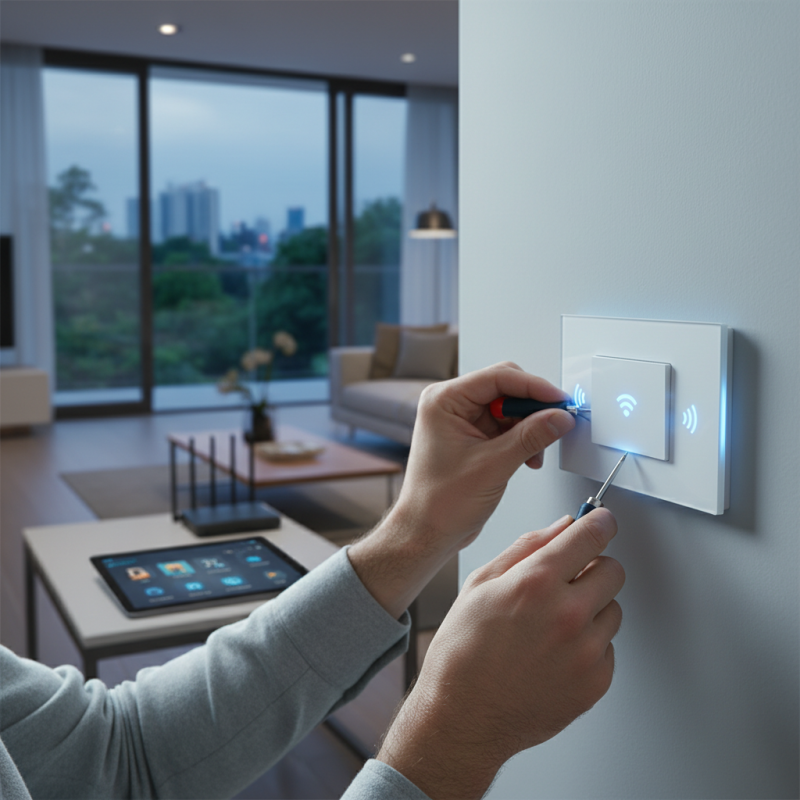
Installing smart light switches can seamlessly enhance your home's efficiency and convenience. Begin by gathering the necessary tools which typically include a screwdriver, wire cutters, a voltage tester, and electrical tape. Ensure that the power is turned off at the breaker to avoid any electrical hazards. Then, remove the existing switch cover and unscrew the old switch. Carefully note the wiring configuration; taking a photo can help during reinstallation.
Next, connect the new smart switch according to the manufacturer's instructions, usually involving three main wires: the line (or hot) wire, the load wire, and the ground wire. It's crucial to securely attach each wire to avoid loose connections that could lead to malfunctions. Once wired correctly, gently push the switch back into the wall box and secure it with screws. Finally, turn on the power at the breaker, and test your smart switch for functionality. Adjust settings through the companion app as necessary, allowing for customization and integration with other smart home devices for enhanced control and automation.
Smart Light Switches Installation Trends in 2025
Configuring and Customizing Your Smart Light Switch Settings
When configuring and customizing your smart light switch settings, it's essential to consider both functionality and personal preferences. Begin by exploring the app associated with your smart light switch, which typically allows you to create personalized settings and control features. This might include adjusting brightness levels, setting schedules for when your lights should turn on or off, and establishing different modes, such as a "party" mode that activates multiple switches in unison to create the perfect ambiance.
In addition to basic configurations, customization can further enhance your smart lighting experience. Many switches offer features like color control, enabling you to change the hue of your lights to match your mood or occasion. Using scenes, you can quickly switch between different lighting setups with a single command, perfect for transitioning from a bright work environment to a cozy evening atmosphere.
Don’t forget to explore integration with other smart home devices, as linking your switches with sensors, voice assistants, or smart hubs can create a seamless automated lighting experience tailored to your lifestyle.
Troubleshooting Common Issues with Smart Light Switches
When installing smart light switches, users may encounter several common issues that can disrupt the seamless experience these devices promise. One frequent problem is connectivity failures, often caused by interference from Wi-Fi networks or other devices. Before troubleshooting, ensure that your router is functioning properly and that the switch is within range of the Wi-Fi signal. If the issue persists, consider resetting the switch following the manufacturer’s instructions.
Tips:
- Regularly update the firmware of your smart switches through the accompanying app to ensure optimal performance and security.
- If the switches are unresponsive, try power cycling them by turning off the circuit breaker for a few seconds and then turning it back on.
Another common challenge users face is compatibility issues with existing wiring or other smart home devices. It's essential to check whether your electrical system can support smart technology. In some cases, neutral wires may be required for installation. Moreover, ensure that the switch syncs with your smart home hub; this may involve deleting and reinstalling the device on your network if conflicts arise.
Tips:
- Always refer to the installation manual for specific wiring requirements specific to your home setup.
- Utilize online forums or community resources for troubleshooting tips from other smart switch users who may have experienced similar issues.
FAQS
: When exploring smart light switches, consider functionality features like voice control, remote access via smartphone apps, and integration with other smart devices. Additionally, look for energy-saving features and user-friendly designs, such as touch screens or customizable buttons.
You can customize your smart light switch settings through its associated app, where you can adjust brightness levels, set schedules, and create different modes, such as a "party" mode. Features like color control and scenes enable further personalization for various moods and occasions.
First, check your router to ensure it is functioning correctly and that the switch is within Wi-Fi range. If the connectivity issue persists, try resetting the switch according to the manufacturer’s instructions and ensure that any interference from other devices is minimized.
If your smart light switch is unresponsive, try power cycling it by turning off the circuit breaker for a few seconds before turning it back on. Also, ensure that the firmware is updated through the accompanying app to maintain optimal performance.
Yes, it's essential to check whether your existing wiring can support smart technology, as some setups may require neutral wires. Verify that the switch can sync with your smart home hub and be prepared to reinstall the device if compatibility conflicts occur.
Regularly update the firmware of your smart switches through the accompanying app. This ensures optimal performance and enhances security, reducing the likelihood of vulnerabilities.
Online forums and community resources are great places to find troubleshooting tips from other users who have experienced similar issues. These platforms can provide valuable insights and solutions tailored to your specific problems.
Integrating your smart light switches with other smart home devices, such as sensors or voice assistants, creates a seamless automated lighting experience, allowing for convenient control and enhanced functionality tailored to your lifestyle.
Conclusion
In "How to Choose and Install Smart Light Switches for Your Home in 2025," the article provides a comprehensive overview of smart light switches, highlighting their features and benefits, such as enhanced control and energy efficiency. It emphasizes the importance of assessing compatibility with your home's electrical system before making a selection and guides readers through the various types of smart light switches available to suit different needs.
The article also offers insights into the leading brands and models in 2025, followed by a detailed, step-by-step guide on how to install these devices. Further, it covers the process of configuring and customizing settings to optimize functionality. Additionally, common troubleshooting tips help users address potential issues, ensuring a seamless experience with their smart light switch installation and use.