Leave Your Message
0%

Picking out the right Portable Power Invertercan actually feel pretty overwhelming, right? With so many options out there, it’s super important to really understand what you actually need. Different models are designed for different power demands, so it’s a good idea to check your devices first—think wattage, surge capacity, and how many outlets you’ll need. These details aren’t just technicalities; they really affect how well The Inverter works and how reliable it is.

Sure, a lot of brands seem to offer similar features, but honestly, not all inverters are the same. Reading reviews can be eye-opening—people often talk about customer service, warranty issues, and the real-world performance. Doing a bit of homework on trusted brands can give you more confidence when you’re ready to buy. And just because two models look alike on paper doesn’t mean they’ll perform the same in real life—user experiences tell a different story.

At the end of the day, your portable Power Inverter should fit into your lifestyle without any hassle. Think about how often you’ll actually need it and in what situations. It’s not just about how portable it is—it's about making sure it delivers safe, reliable power. Take your time, do your research, and make sure you’re clear on the essentials before jumping in. Better to be careful now than wish you’d chosen differently later on!
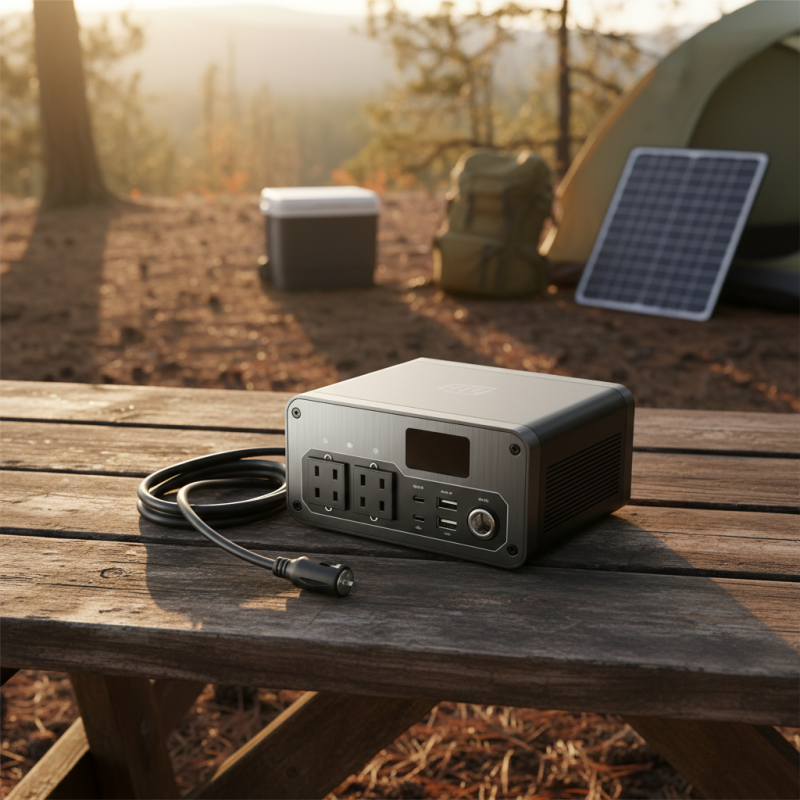
How to Choose the Best Portable Power Inverter for Your Needs?

Understanding Portable Power Inverters: A Brief Overview

Portable power inverters are essential tools for converting DC battery power into AC power. They allow users to run devices that require standard household electricity. Understanding how these inverters function is crucial for effective use. Approximately 35% of campers rely on inverters for charging electronics. This statistic highlights the growing importance of portable power solutions in outdoor activities.

When selecting a portable power inverter, several factors come into play. Look for output wattage, inverter type, and efficiency ratings. Higher efficiency can lead to less energy loss, benefiting long-term use. Industry reports show that inverters with over 90% efficiency are becoming the norm. This improvement translates into longer battery life and optimal device performance.

Many users overlook the need for safety features. Overload protection and thermal shutdown are vital for preventing potential hazards. Interestingly, around 25% of users experience issues with inverter overheating. This shows that while demand for power inverters is rising, not all users are well-informed about safety precautions. Effective research can prevent mishaps and ensure a safer experience.

Comparison of Portable Power Inverter Wattage Capacity

This bar chart illustrates the wattage capacity of different portable power inverter models. It shows the number of models available in various wattage categories, helping you determine which option best suits your power needs.

Key Features to Look for in a Portable Power Inverter

When choosing a portable power inverter, several key features are crucial to consider. First, assess the wattage capacity. This determines what devices you can power simultaneously. A higher wattage allows you to run more equipment. For instance, if you plan to use a Portable Solar Inverter, ensuring it can handle your load is essential. You might need to check the devices you'll connect.

Next, look for the inverter's output types. Common options include AC outlets and USB ports. Different gadgets require various connections. Having multiple output types can enhance versatility. However, too many options might confuse users. Balance is crucial.

Finally, examine the inverter's design and durability. A robust exterior can withstand outdoor conditions. Read user reviews to gauge reliability. Sometimes, products look sturdy but fail in real situations. It's also wise to consider the warranty. A good warranty indicates the manufacturer stands behind their product.

Identifying Your Power Needs: Calculating Wattage Requirements

When choosing a portable power inverter, understanding your wattage requirements is essential. Calculate the power needs of your devices. Each device has a specific wattage rating. For example, a laptop may require around 65 watts, while a portable fridge could use over 100 watts. Add up these figures to find your total wattage needs.

Consider the starting wattage as well. Many devices, like power tools or refrigerators, need extra power when starting. This surge can be significantly higher than their running wattage. Make sure the inverter can handle both the running and starting wattages combined. Many users overlook this, resulting in power shortages.

Keep in mind that efficiency varies with different Portable Inverters. Higher efficiency can maximize battery life and device performance. Some models may not deliver the promised output. Researching reviews may help, but personal experiences often provide valuable insights. Reflect on what worked or didn’t for others, and how that aligns with your needs. Choose carefully; the right inverter makes a difference.

How to Choose the Best Portable Power Inverter for Your Needs?

Device Wattage Required Type of Inverter Recommended Run Time (Hours)
Laptop 60W 300W Modified Sine Wave 10
Refrigerator 200W 600W Pure Sine Wave 5
Electric Cooler 45W 200W Modified Sine Wave 12
Mini Projector 75W 300W Modified Sine Wave 8
Power Tools 500W 1000W Pure Sine Wave 3

Different Types of Portable Power Inverters and Their Uses

How to Choose the Best Portable Power Inverter for Your Needs?

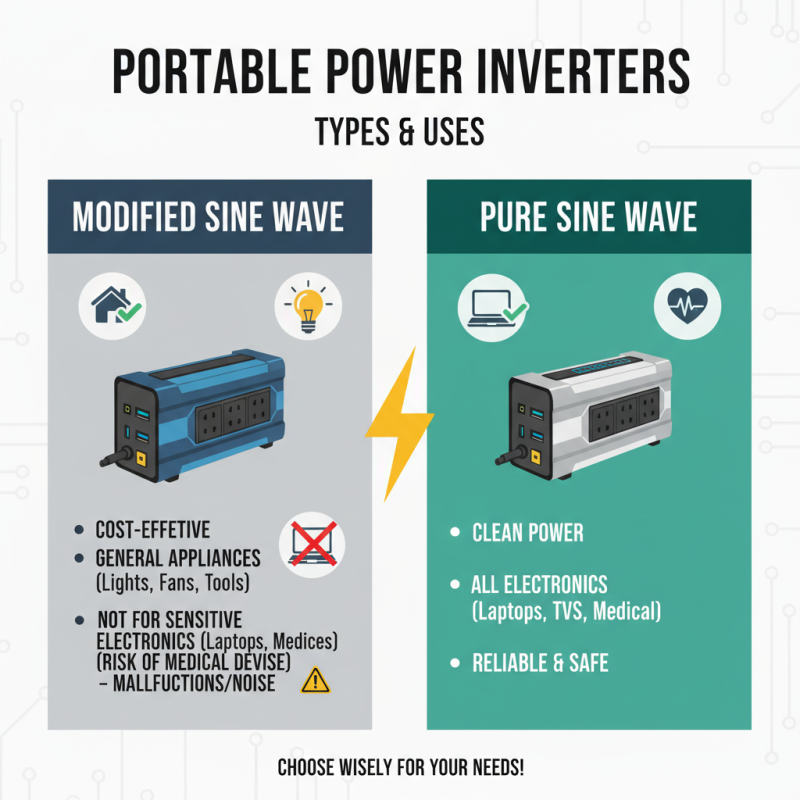
Portable power inverters come in various types, each suited for different needs. The most common type is the modified Sine Wave Inverter. It is cost-effective and works well for most household appliances. However, it is not ideal for sensitive electronics. This type may cause noises or malfunctions in some devices. Understanding this limitation is essential for effective use.

Another prevalent type is the pure sine wave inverter. It closely replicates the electricity from the grid. This makes it perfect for laptops, medical equipment, and other sensitive devices. While they tend to be more expensive, their reliability is often worth the investment. Consider your power needs carefully; this choice impacts both performance and efficiency.

Additionally, there are Car Inverters specifically designed for automotive use. They usually plug into the vehicle's 12V socket. This type is excellent for charging devices on the go but provides limited power. TheChina Top Portable Inverters Factory offers a variety of options that can meet specific demands. When selecting an inverter, reflect on your unique needs and the types of devices you plan to power.

Evaluating Safety Features and Certifications

When choosing a portable power inverter, safety features are paramount. A reputable report from the Consumer Electronics Association notes that improper use of power inverters frequently leads to accidents. Thus, understanding safety certifications is essential. Look for inverters with certifications from organizations like Underwriters Laboratories (UL) or the Institute of Electrical and Electronics Engineers (IEEE). These certifications ensure that the products meet stringent safety standards.

Inspect features like overload protection, short circuit protection, and thermal shutdown. These elements greatly reduce the risk of fires or damages during use. Power inverters with these built-in safeguards can prevent accidents and protect both users and devices.

Tip: Choose a model that includes these safety certifications, as they can provide peace of mind. Additionally, consider the inverter's practical applications. You might face situations where you need extra power, which underscores the importance of adequate safety measures. Remember, safety features should not be an afterthought. An inverter may seem reliable, but hidden flaws can pose risks. Always opt for products that offer transparency about their safety features.

Comparing Price Points: Budgeting for Your Power Inverter

How to Choose the Best Portable Power Inverter for Your Needs?

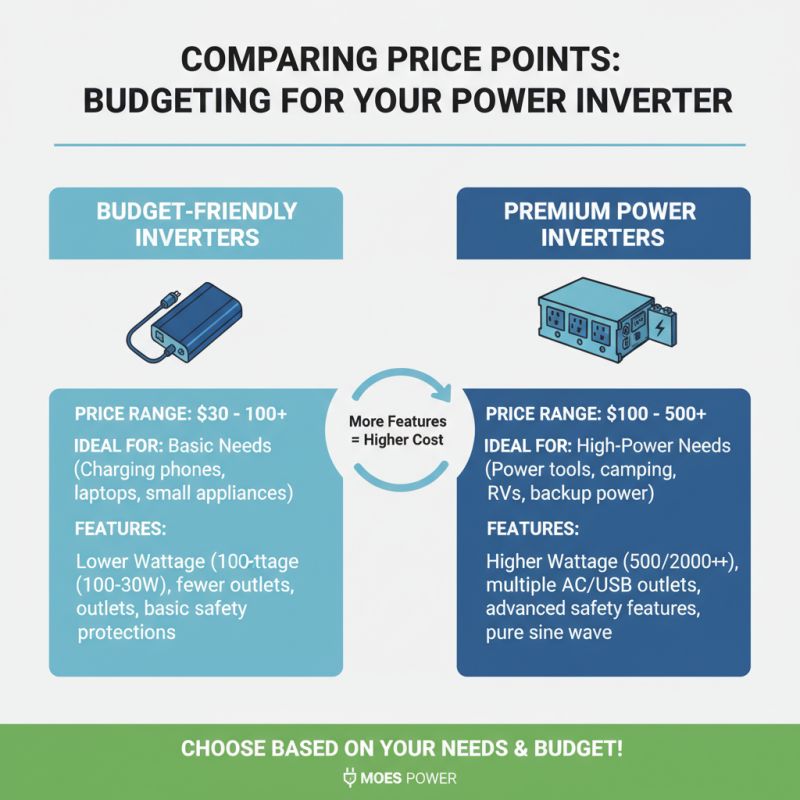
When selecting a portable Power Inverter, price is a crucial factor. The market offers a wide range of options, from affordable models to premium devices packed with features. Understanding your budget helps you narrow down choices effectively. A lower-priced power inverter may suffice for simple tasks, while more expensive models can support higher wattages and additional functions.

Consider the specifications of each unit. Cheaper inverters often have limited output capacity, affecting their performance. Evaluate your power needs. If you plan to run multiple devices simultaneously, it’s wise to invest a bit more. It’s tempting to save money, but cutting corners can lead to disappointments.

Many users overlook long-term usage costs. Investing in a reliable power inverter can save money over time. Higher-quality models generally last longer and operate more efficiently. Reflecting on your choices is essential. Sometimes, spending that extra dollar now can prevent headaches in the future. Prioritize reliability and performance alongside your budget when selecting a power inverter.

Reading Customer Reviews: What to Consider Before Buying

When considering a portable power inverter, customer reviews are invaluable. They provide insights from users who have already tested the product. Look beyond the star ratings. Read the written feedback for real-life experiences. Customers often share their specific uses and any challenges they faced. This can guide you toward a more informed decision.

Pay attention to common themes in reviews. If multiple users mention durability issues, take note. Conversely, positive comments about performance in various weather conditions can signal reliability. It's crucial to weigh both positive and negative feedback. Some users may overlook minor flaws if the inverter meets their main needs. Reflect on whether you can accept similar compromises.

Don’t forget to check for authenticity in reviews. Some may be biased or manipulated. Look for detailed accounts involving everyday scenarios. Users describing how they powered devices during road trips or emergencies can offer realistic insights. Various perspectives contribute to a comprehensive understanding of the product's strengths and weaknesses. Prioritize genuine experiences when selecting an inverter that truly meets your needs.

FAQS

: What is a portable power inverter?

: A portable power inverter converts DC battery power into AC power for household devices.

Why are portable power inverters important for campers?

About 35% of campers use inverters to charge electronic devices during their trips.

What should I consider when choosing a power inverter?

Look for output wattage, inverter type, and efficiency ratings before making a choice.

How does efficiency affect inverter performance?

Higher efficiency means less energy loss, resulting in longer battery life and better device performance.

Why are safety features important in a power inverter?

Safety features like overload protection can prevent overheating and other hazards during use.

What issues do users commonly face with inverters?

Approximately 25% of users report overheating issues, highlighting a need for more user awareness.

What wattage capacity should I look for in an inverter?

A higher wattage capacity allows for more devices to be powered at the same time.

How do output types influence inverter selection?

Different devices require various connections; check if the inverter offers multiple output types.

What design features should I look for in a portable inverter?

A robust design is important; user reviews can provide insight into durability and reliability.

How can a warranty inform my purchase decision?

A good warranty suggests that the manufacturer has confidence in their product's quality.

Conclusion

Choosing the best Portable Power Inverter requires a good understanding of its features and your own power needs. It's essential to start with a brief overview of what portable power inverters are and how they function. Key features to consider include wattage capacity, outlet types, and charging options. To determine the right inverter for your situation, calculate your wattage requirements based on the devices you intend to power.

Additionally, familiarize yourself with the various types of portable power inverters available and their specific uses, whether for camping, road trips, or emergency backup. Evaluating safety features and certifications is crucial for ensuring reliable operation. Finally, comparing price points will help you budget effectively for your purchase. Don't forget to read customer reviews to gain insights into performance and reliability before making a decision, ensuring you choose a Portable Power Inverter that meets your unique needs.
Isabella

Isabella

Isabella is a dedicated marketing professional at Wenzhou NOVA New Energy Co., Ltd., where she plays a crucial role in promoting the company's innovative solutions in the Solar New Energy and Smart Home sectors. With a keen understanding of the industry, Isabella frequently updates the company's......
Previous Best Smart Home Gateway Solutions for Global Buyers?