You know, the demand for EU Standard Smart Switches is really picking up worldwide. I was reading a report from Research and Markets, and it looks like the global smart switch market could hit around $100 billion by 2025 — and a big chunk of that growth is coming from Europe. It makes sense though, right? With all these new energy efficiency rules and folks wanting smarter home tech, people are clearly invested in upgrading their systems.
If you're getting into this space, it’s crucial to understand what these EU standards actually require. Companies like Schneider Electric keep stressing that sticking to these standards isn’t just about rules — it guarantees your product fits, works safely, and keeps customers happy. Skip those details, and you might end up paying more in the long run or upsetting your customers. Plus, counterfeit products are still out there, so you really want to work with trusted suppliers.
Lots of businesses want in on this trend, but it’s not always easy to navigate all those regulations. You need some serious expertise to make sure everything’s compliant with EU laws. As things keep changing in the market, companies have to stay on their toes and tweak their sourcing strategies if they wanna stay competitive. Failing to do so could cause some big headaches, especially in an industry that moves so fast and values innovation. So yeah, it’s a lot to keep up with, but the potential rewards are worth it if you get it right.
Understanding EU Standard Smart Switches and Their Importance
Understanding EU Standard Smart Switches is essential for anyone involved in global sourcing. These devices are designed to meet specific safety and performance standards. They ensure reliable operation across various environments. A well-designed Standard Light Switchcan enhance energy efficiency and user convenience. They often come with features like remote control and energy monitoring.
The importance of adhering to EU standards can’t be overstated. Compliance not only guarantees safety but also builds customer trust. Many buyers look for products that meet these standards. Non-compliance can lead to increased returns or even legal issues. In today's competitive market, reliability is crucial. Businesses must balance quality with cost when selecting smart switches.
Choosing the right smart switch involves careful consideration. Understanding technical specifications and installation requirements is vital. Not all products labeled as “smart” qualify for EU standards. Some devices may fall short on critical tests. Therefore, thorough research and due diligence are necessary. Consider potential risks, such as product failure or regulatory issues. Building a reliable sourcing strategy will pay off in the long run.
Key Features to Consider When Choosing Smart Switches
When selecting EU standard smart switches for global sourcing, it is crucial to understand key features that enhance user experience and functionality. One pivotal feature is the compatibility with various Smart Home ecosystems. A report from MarketsandMarkets highlights that the smart home market is projected to reach $174 billion by 2025, indicating a growing demand for compatible smart devices.
Another important consideration is energy efficiency. Standard Switches should comply with the EU's Ecodesign Directive, which has set clear guidelines for energy-saving technologies. Products that meet these regulations not only contribute to a sustainable environment but also appeal to eco-conscious consumers. With rising energy costs, choosing efficient switches becomes a necessity for many households.
**Tips:** Always check for energy ratings and certifications. Look for reviews from industry experts to gauge reliability. Test the product if possible before bulk purchasing.
Moreover, ease of installation cannot be overlooked. Simplified installation processes can save time and reduce labor costs. A study by Technavio estimated that the global smart switch market will grow by 33% from 2020 to 2024, showing that more suppliers are focusing on user-friendly designs. While selecting, ensure that the switches offer detailed instructions and support.
**Tips:** Consider user-friendliness as a priority. Read customer feedback regarding installation experiences. Ensure the switch has local technical support.
How to Choose EU Standard Smart Switch for Global Sourcing? - Key Features to Consider When Choosing Smart Switches
| Feature | Importance | Specifications | Notes |
| Compatibility | High | Works with multiple protocols (Zigbee, Z-Wave, Wi-Fi) | Ensure compatibility with existing systems |
| Energy Efficiency | Medium | Rated energy consumption | Look for low energy consumption models |
| User Interface | High | Touch screen/physical buttons | User-friendly design is crucial |
| Safety Certifications | High | CE, RoHS compliant | Ensure compliance with EU regulations |
| Installation Type | Medium | Wall-mounted or plug-and-play | Choose based on ease of installation |
| Cost | High | Price range | Balance between features and budget |
Comparing Different Types of Smart Switch Technologies
When choosing smart switch technologies, understanding the types available is essential. Each type provides unique features and functionalities. For instance, Wi-Fi switches connect directly to home networks. They offer easy installation and remote control via smartphone apps. However, reliance on internet stability can be a drawback. Power outages can interrupt functionality, impacting user experience.
Another option is Zigbee switches, known for their low power consumption. These devices communicate through a mesh network, enhancing reliability. Users value their ability to automate home settings, contributing to energy efficiency. Yet, there can be compatibility issues with existing systems, warranting careful consideration before selecting this type.
Lastly, Z-Wave switches are also noteworthy. They excel in home automation applications. These devices operate on a dedicated frequency, reducing interference with other wireless signals. However, installation may require additional hubs or controllers, adding to overall costs. Comparing these technologies is vital before sourcing. For businesses, partnering with a reliable supplier like China Top Standard Switches Factory can ensure quality and compliance with EU standards.
Evaluating Compatibility with Existing Home Automation Systems
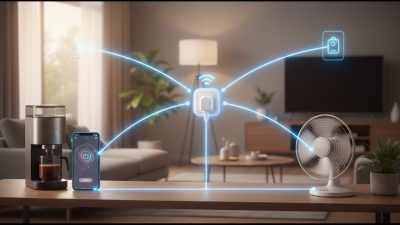
When selecting an EU standard smart switch, compatibility with existing home automation systems is crucial. Many systems use various protocols, such as Zigbee, Z-Wave, or Wi-Fi. You need to ensure that your new switch can integrate seamlessly with these protocols. Checking the specifications before purchasing is essential.
Consider the overall ecosystem of your home automation. If you have multiple devices, ensure that the new switch communicates effectively with them. Sometimes, older devices may not support newer standards. Testing these interactions can save future headaches. A simple mismatch can lead to frustration.
It’s also wise to look into software updates for the smart switch. Technology evolves quickly. Manufacturers frequently update their firmware to improve compatibility. Assessing user reviews can provide insight into the reliability of the device in real-world applications. Not all features may work as expected, leading to deeper reflections on what you need from your home automation setup.
Comparison of Smart Switch Compatibility with Home Automation Systems
Assessing Quality and Compliance with EU Regulations
When sourcing smart switches that comply with EU regulations, quality assessment is crucial. The European Union has strict standards for electrical products. According to a recent report by the International Electrotechnical Commission, compliance with IEC standards ensures safety and performance. Failure to meet these standards can lead to product recalls and legal issues.
Tips: Always check for CE marking on products. This certification indicates compliance with EU safety and performance standards. Evaluate the supplier’s quality management system and see if they have ISO certifications.
Choosing the right supplier is vital. Many suppliers claim to meet EU standards but lack transparency. Data from market research shows that about 30% of smart switches sourced from non-compliant suppliers fail quality tests. China Top Standard Switches Supplier is noted for a strong track record in compliance and quality.
Conducting audits is essential to ensure compliance. Regularly inspect the processes and products to maintain standards. Building a reliable partnership with the right supplier can mitigate risks associated with sourcing.
Strategies for Sourcing Smart Switches Globally
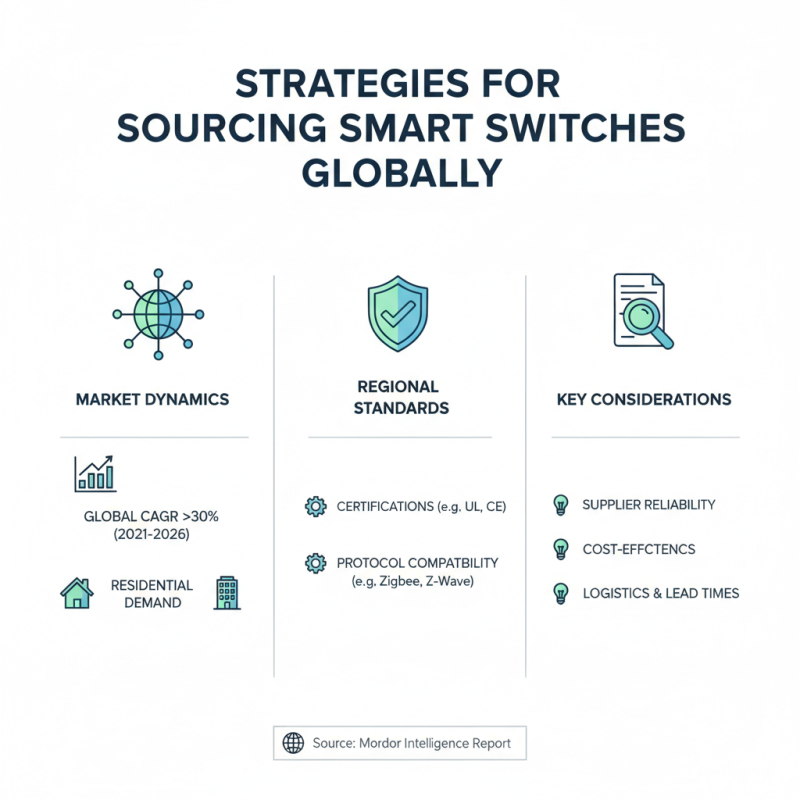
When sourcing smart switches globally, it’s crucial to understand market dynamics and regional standards. The smart switch market is projected to grow at a compound annual growth rate (CAGR) of over 30% from 2021 to 2026, according to a recent report by Mordor Intelligence. This number highlights the increasing demand for smart solutions in residential and commercial spaces.
Regional regulations, such as EU standards, are important in the selection process. Smart switches must comply with CE marking requirements to ensure safety and functionality. Lack of compliance can lead to product recalls and legal issues, which could be costly. As a result, partnering with suppliers familiar with these regulations is vital.
Assessing the reliability of suppliers is often overlooked. Not all manufacturers maintain high production standards, which can lead to inconsistent product quality. It's beneficial to conduct audits or demand certifications to ensure trustworthiness. Additionally, gathering feedback from users can provide insight into the long-term performance of these switches. Adopting a thorough vetting process may reveal gaps in quality that need attention.
Tips for Cost Management and Supplier Negotiation
Selecting an EU standard smart switch requires careful consideration, particularly in cost management and supplier negotiation. A recent report from MarketsandMarkets indicates that the smart switch market is expected to reach $10 billion by 2026. This growth reflects a surge in demand for energy-efficient devices. However, with increased demand comes tighter margins, making effective cost management essential.
To negotiate effectively, leverage data from credible sources. Typically, suppliers aim for a profit margin of 15% to 25%. Understanding this can help frame negotiations. Present your own cost analysis to justify your price points. It's vital to explore multiple suppliers. This not only provides a broader perspective on pricing but also increases your bargaining power.
Consider the lifecycle costs of smart switches. Investing in higher-quality switches may lead to lower maintenance costs over time. However, initial spending can be a concern. Balancing upfront costs with long-term savings requires careful analysis. Skills in forecasting future pricing trends are invaluable here. Assess findings from industry studies that reveal up to 30% cost savings when working with established suppliers.
Enhancing Home Automation Experience: Insights from Industry Reports on the MOES WiFi 3.5-inch Smart Control Panel Screen
The rapid progression in home automation technology has led to the emergence of devices that not only enhance functionality but also improve the overall user experience. One notable advancement is the introduction of smart control panel screens, which serve as central hubs for managing various home devices. By integrating features that cater to user convenience and interface efficiency, these screens are shaping the future of smart homes.
A standout product in this category is a 3.5-inch smart control panel, designed with a class-leading display that maximizes screen proportion and minimizes bezels. This thoughtful design ensures that users can interact with their smart home systems seamlessly. The addition of a built-in sunken infrared remote control offers a convenient way to manage devices, while the soft yet bright firefly indicator light provides notifications without being intrusive. With three separate relays and customizable buttons, users can tailor their experiences to meet specific needs and preferences, resulting in a highly personalized home automation journey.
As more households embrace technology for everyday tasks, these smart control panels represent a significant step forward in creating intuitive and efficient environments. The ability to manage various systems from a single interface enhances not only convenience but also the overall aesthetic of the home, demonstrating the intersection of function and design in the landscape of modern living.
FAQS
: EU standard smart switches meet specific safety and performance standards. They ensure reliable operation in various environments.
Compliance guarantees safety and builds customer trust. Non-compliance may lead to returns or legal issues.
Research technical specifications and installation requirements. Not all smart switches meet EU standards.
Risks include product failure and regulatory issues. Thorough research can mitigate potential problems.
Check if the smart switch supports protocols like Zigbee or Wi-Fi. Compatibility is crucial for seamless integration.
Older devices may not support newer standards. Testing interactions can prevent future frustration.
Yes, manufacturers frequently update firmware for improved compatibility. Stay informed on updates to enhance performance.
User reviews can provide valuable insights into real-world reliability. Not all features may function as expected.
Consider what you truly need from your home automation setup. Reflecting on priorities can guide your choice.
Yes, but they may lead to frustrations. It’s essential to weigh quality against cost during selection.
Conclusion
Choosing the right EU Standard Smart Switch is essential for ensuring compatibility and efficiency in modern home automation systems. Understanding the significance of these switches requires familiarity with their key features, such as energy management, user interface, and connectivity options. Comparing various smart switch technologies can help identify the best fit for specific needs, while evaluating their compatibility with existing systems is crucial for seamless integration.
When sourcing EU Standard Smart Switches globally, it is important to assess the quality and compliance with EU regulations to ensure reliability and safety. Implementing effective strategies for sourcing, along with prudent cost management and supplier negotiations, can lead to successful procurement. In summary, a well-informed approach to selecting EU Standard Smart Switches will lead to enhanced home automation experiences while adhering to international standards.