Leave Your Message
0%

Picking out the right car Power Inverter can actually be pretty tricky. A lot of drivers get kind of lost when it comes to those technical specs. In fact, reports show that over 65% of car owners don’t really grasp how power ratings or input requirements work, which can lead to either not enough juice or even damaging your gear.

Tom Harris from PowerTech Solutions, an industry expert, mentions, "Knowing what your power needs are is key to choosing a reliable car power inverter." That just highlights how important it is to match The Inverter's capabilities with your devices. After all, inverters come in different wattages, so understanding what your gadgets need makes a big difference when choosing one.

A lot of folks end up regretting their selection because they get some of the basics wrong. For example, some might just pick An Inverter based on the price tag. While that might seem like the way to go, a cheaper unit might not be super durable or have all the features you actually need. The best bet is to look at how well it performs, whether it’s safe, and if it’s compatible with your stuff. So, take your time, do a bit of research, and choose what really fits your lifestyle best.

How to Choose the Right Car Power Inverter for Your Needs?

Understanding Car Power Inverters: Definition and Purpose

Car power inverters are devices that convert DC power from your vehicle's battery into AC power. They enable you to use household devices in your car. This makes them essential for road trips, camping, and other outdoor activities. Understanding their purpose is key to choosing the right one for your needs.

According to a recent industry report, the US market for car power inverters is projected to grow by 8.5% annually. Drivers increasingly rely on them to charge laptops, tablets, and other electronics. A Car Inverter 12v 220v system can power multiple devices, but it's crucial to consider your power requirements. Not all inverters are created equal. Some models may struggle to support high-demand devices.

Another important aspect is the inverter's safety features. Overheating and short-circuit protection are vital. An inverter without these features can pose risks. Manufacturers often highlight these specifications. However, the information can sometimes be confusing. It's important to read reviews and compare options carefully. This ensures that your chosen inverter meets your specific needs without compromising safety.

Types of Car Power Inverters: Modified Sine Wave vs. Pure Sine Wave

When selecting a car power inverter, one of the key decisions revolves around the type: modified sine wave or pure sine wave. Modified Sine Wave Inverters are generally more affordable. They work well for simple devices. However, they can cause issues with sensitive electronics. For equipment like laptops and some audio devices, the performance may be inconsistent. You might notice humming or distortion, which can be frustrating.

On the other hand, pure sine wave inverters provide a cleaner power output. They closely mimic the electricity from a wall socket. This makes them suitable for a wider range of devices. Sensitive tools, medical equipment, and audio gear function better with pure sine wave inverters. They are typically pricier but offer better reliability. If you rely heavily on technology, investing in a pure sine wave inverter may be worth it.

Choosing between these options can be tough. Think about what devices you will power. If you’re unsure, consider your usage patterns. A car inverter from a reputable supplier, like the China Top Car Inverter Factory, can provide guidance. Reflect on your needs to ensure you make the right choice.

Power Requirements: Calculating the Wattage You Need

When selecting a car power inverter, understanding your power requirements is essential. The wattage you need depends on the devices you plan to use. A typical laptop might require around 60 watts, while a small fridge may need up to 200 watts. The demands can vary significantly. Calculate the total wattage by adding the requirements of all devices. This ensures you don’t overload your inverter.

According to industry reports, many users underestimate their power needs. A common mistake is not accounting for peak wattage. Appliances often need extra power to start. For instance, a power drill could require 600 watts to start but only uses 300 watts during operation. This peak wattage can be critical when choosing the right inverter. Make sure to check the inverter's specifications thoroughly.

Safety is another concern. Using an inverter with insufficient wattage can lead to overheating and potential failures. It’s crucial to leave some margin in your calculations. For instance, if your total wattage requirement is 400 watts, opt for an inverter rated for at least 600 watts. This buffer can help to prevent damage to both your devices and the inverter itself.

Key Features to Consider: Ports, Protection, and Size

When choosing a car power inverter, key features matter. Assess the number and types of ports available. USB ports are ideal for smartphones and tablets. AC outlets power larger devices like laptops or coolers. Think about your device needs. Are you traveling alone or with family? More ports can be handy for multiple devices.

Protection features are crucial. Look for inverters that ensure safety. Overload protection and short circuit protection help prevent accidents. Heat management is essential too. An inverter that overheats may stop working. Size and portability are also important. A compact design fits better in your car. Yet, it should still be powerful enough for your requirements.

Consider how you’ll be using the inverter. Will it be a daily tool or an occasional helper? Sometimes, cheaper models seem appealing but may lack necessary features. Reflect on what you really need. Taking time to evaluate these factors can lead to a better choice. A rushed decision could mean frustration down the line.

Installation Options: Plug-In vs. Hardwired Inverters

When choosing a car power inverter, installation options play a crucial role. You can opt for plug-in or hardwired inverters. Plug-in inverters are user-friendly. They simply connect to the car's 12V outlet. This installation is quick and requires minimal tools. For many users, it's the ideal choice. Reports suggest that about 70% of car inverter users prefer this method for its convenience.

However, hardwired inverters offer a different advantage. They provide a more stable power supply, especially for heavy-duty applications. These units are installed directly to the car’s electrical system. While they require more effort and skill, the end result can be more efficient. Research shows that hardwired inverters can deliver up to 15% more power compared to their plug-in counterparts.

Both options have their pros and cons. Plug-in models are portable but may suffer from loosened connections over time. Hardwired versions are reliable but can be more costly and complex to install. An individual should weigh these factors based on their specific needs. Regularly reviewing your power needs can help in making the right choice. Consider how often you travel and what devices you'll power.

Safety Considerations: Protecting Your Vehicle and Devices

When selecting a car power inverter, safety should be a priority. An inverter converts DC power from the car battery to AC power for your devices. It is crucial to choose one that includes built-in protection features. Overload protection, short circuit protection, and temperature control are essential. Without these, you risk damaging your devices or your vehicle.

Be cautious of power ratings. A high-capacity inverter might seem attractive, but it can drain your car battery quickly. You need to balance capacity and your vehicle's power capabilities. An unreliable choice can lead to unexpected failures while you're on the road. Consider the environment, too. Inverters used in extreme temperatures can perform poorly. A reliable China Top Car Inverter Supplier can guide you in making the right choice.

Testing the inverter before long trips is smart. Pay attention to any unusual sounds or heat. These signs may indicate problems. If you notice any issues, reconsider your choice. Sometimes, a less powerful inverter suffices for everyday use. Understanding your needs helps you select wisely. Ultimately, this ensures both your devices’ safety and your vehicle's longevity.

Power Inverter Capacity Comparison

Selecting the Right Brand: Reliability and Warranty Options

How to Choose the Right Car Power Inverter for Your Needs?

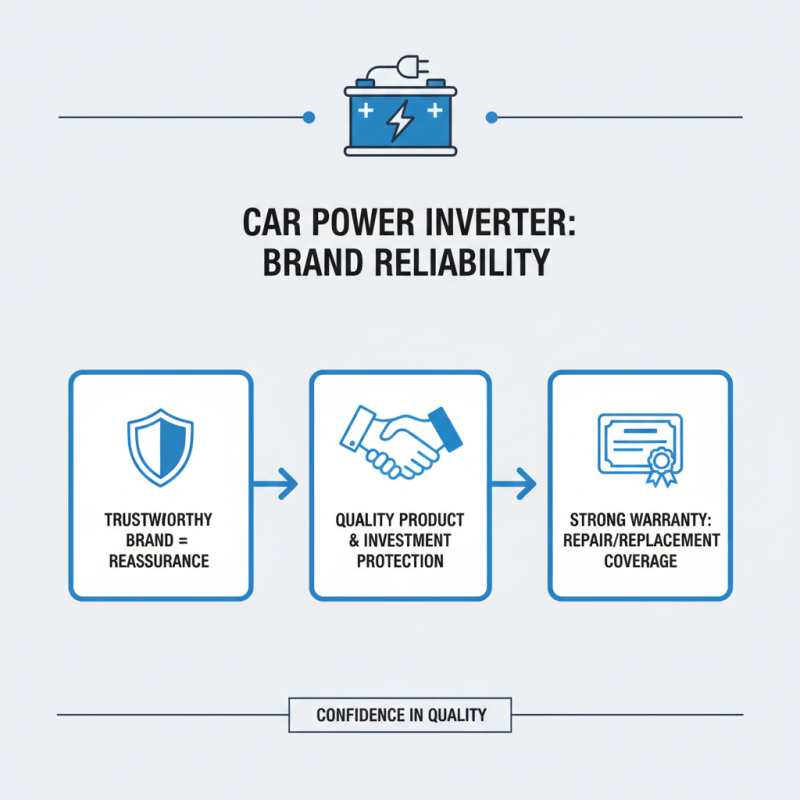
When selecting a car power inverter, brand reliability is crucial. A trustworthy brand offers more than just a product. It provides reassurance for your investment. Look for warranties that cover repairs or replacements. A strong warranty often reflects a brand's confidence in its product.

Explore customer reviews for insights into brand performance. Some brands frequently receive praise, while others may face criticism. Pay attention to persistent issues raised by users. Sometimes, a high warranty period might not guarantee quality. It could be a marketing tactic.

Researching manufacturers is essential. Seek out firms known for their production standards. Some of the best options might come from the China Best Car Inverter Factory, recognized for quality. However, not all may meet your expectations. Understanding the specifics of their offerings can help you avoid disappointments. Consider where the inverter is made. Production methods can affect reliability and performance in real-world applications.

FAQS

: What is the main benefit of using this service?

: It simplifies access to information quickly and effectively. It can save you time in research.

How can I start using the service?

Simply create an account online. The process is straightforward. Be ready to share some basic information.

Is there a fee associated with this service?

Yes, there may be a subscription fee. Check the pricing details on the website. Costs can vary significantly.

What should I do if I encounter an issue?

Report the problem through customer support. Be clear about your issue. Responses can take time, so be patient.

Can I access the service on mobile devices?

Yes, it is compatible with most mobile devices. Using a tablet or smartphone is convenient for many users.

Are there any age restrictions to use it?

Yes, users typically must be over a certain age, often 18. This is to ensure responsible use of the service.

What if I need to cancel my subscription?

You can cancel anytime through your account settings. Be aware of the cancellation policy; charges may still apply.

Is my personal information safe?

While measures are in place, no system is perfect. Regularly review privacy policies to understand how data is handled.

Can multiple users access the same account?

Sharing accounts is usually not allowed. This can lead to privacy and security concerns.

What resources are available for support?

There are FAQs and guides on the site. Sometimes, direct support can lead to better solutions for complex issues.

Conclusion

Choosing the right car power inverter is essential for ensuring that your devices are powered safely and efficiently while on the road. A car power inverter serves to convert DC power from your vehicle's battery into AC power, allowing you to use standard electrical devices. Understanding the two main types—modified sine wave and pure sine wave—inherently affects the performance and compatibility with your gadgets.

When selecting a car power inverter, it's crucial to calculate the wattage required for your devices and consider key features such as the number of ports, safety protections, and size. Additionally, installation options, whether plug-in or hardwired, will impact your setup. Prioritizing safety helps in protecting both your vehicle’s electrical system and your devices. Finally, looking into reliability and warranty options can guide you to a trusted brand for your inverter needs.

Evelyn

Evelyn

Evelyn is a dedicated marketing professional at Wenzhou NOVA New Energy Co., Ltd., where she leverages her extensive expertise in the solar new energy and smart home sectors. With a strong commitment to advancing sustainable technologies, she plays a pivotal role in showcasing the company’s......
Previous Unveiling Energy Inverter Specifications and Practical Tips for Global Buyers