Picking the right Smart Home Hub can honestly feel a bit overwhelming. There are so many options out there, and it’s easy to get lost in the details. I think it’s really important to step back and figure out what actually matters to you. Industry pro Alex Johnson from SmartHomeTech mentions, ‘The best hub connects effortlessly with your devices,’ which really highlights how crucial compatibility and features are. Basically, your hub should work smoothly with what you already have or plan to add.
Think of the Smart Home Hub as the brain of your setup — it’s what keeps everything running together. Whether you're big on security or trying to cut down energy bills, the features it offers make a big difference. Sadly, a lot of folks just go for the most popular model without really checking if it suits their needs. They may miss out on better options just because they saw something trending.
Taking the time to evaluate your options can save you from making a costly mistake. For example, some hubs might not support certain brands or gadgets you already own or want to add later. Plus, with tech changing so fast, it pays to think ahead about what you might need down the road. Bottom line? Making a thoughtful, informed choice can seriously level up your smart home experience and make everything much more enjoyable.

Understanding Smart Home Hubs and Their Importance
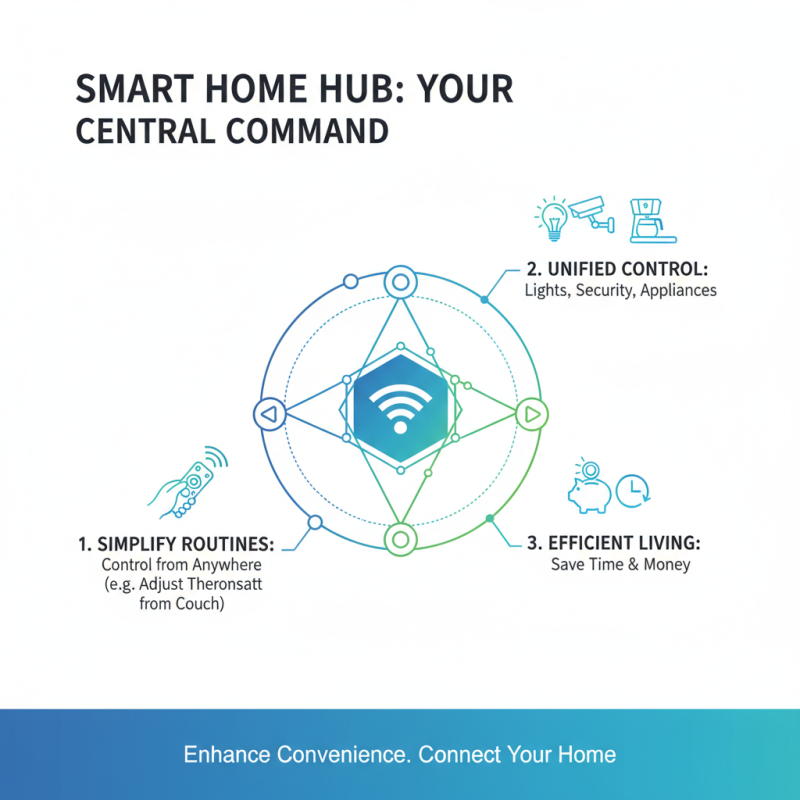
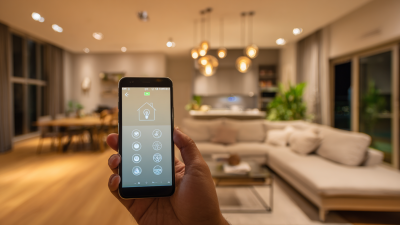
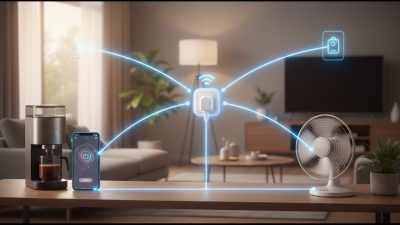
Smart home hubs serve as the central point for controlling various devices in your home. They simplify your daily routines and enhance convenience. Imagine adjusting your thermostat while lying on your couch. Smart hubs can connect lights, security systems, and appliances. This integration saves time and money, making life more efficient.
However, it’s essential to recognize that not all hubs are created equal. Some may lack compatibility with popular devices, leaving gaps in your smart ecosystem. You might find frustration in trying to connect a device that simply won’t link to your hub. In this ever-evolving technology, staying informed about updates and features can be overwhelming.
Security is another area of concern. If a hub is compromised, all connected devices become vulnerable. This could lead to potential breaches of privacy. Reflecting on your needs before choosing a hub can save you from future headaches. Think about your specific requirements and how you intend to use them. This reflection will guide you towards a choice that significantly enhances your smart home experience.
Assessing Compatibility with Your Smart Devices
When choosing a smart home hub, compatibility is key. The hub must connect with your existing smart devices. Consider the types of devices you own. Are they lights, cameras, or thermostats? Investigate which protocols each device uses. Many devices rely on Zigbee, Z-Wave, or Wi-Fi. Your hub should support these protocols.
Tips: Check device specifications. Some devices may claim compatibility but work poorly with certain hubs. It's wise to read user reviews. Be aware that updates can change compatibility.
Also, think about future plans. You may want to add more devices later. Sometimes, hubs have limited compatibility with new brands. Research if your chosen hub supports future integrations.
Tips: Assess the product roadmap of the hub. Manufacturers often list compatible devices on their websites. This can prove helpful for decisions. If unsure, reach out to customer support for advice. Be open to adjusting your choices. Not all devices will be perfect matches.
Evaluating Features and Functionality of Smart Home Hubs
When choosing a smart home hub, consider its core features. Look for compatibility with various devices. A good hub should support multiple protocols. This includes Wi-Fi, Zigbee, and Z-Wave. A wide range of compatibility enhances connectivity. Ensure it works seamlessly with your existing gadgets.
Another key aspect is ease of use. A user-friendly interface matters. Simplified setup processes can save time. Some hubs require extensive configuration, which can be frustrating. On the other hand, intuitive apps help users control devices better. Notifications for device statuses can also add value.
Smart home hubs vary in functionality. Certain models offer advanced automation features. This allows users to create customized routines. However, these features can sometimes be overwhelming. Balancing simplicity with advanced options is crucial. Ultimately, think carefully about what you need most from your hub.
Considering User Interface and Ease of Use
Choosing the right smart home hub involves understanding its user interface and overall ease of use. A seamless interface can significantly enhance your experience. A survey by Parks Associates indicates that 47% of users rate the ease of setup as crucial when selecting a smart hub. This statistic highlights the importance of straightforward navigation and intuitive design.
Consider how you will interact with your hub. Would you prefer a mobile app, voice commands, or both? Many users find that mobile apps offer better control but can be complicated. Interfaces should be designed for clarity. For example, labeled icons are often more accessible than abstract images.
Tip: Always test the hub's interface before commitment. Look for smooth transitions and quick response times.
Don’t underestimate customization features. Not all users are tech-savvy. A complex setup may deter some individuals. Keeping this in mind, choose a hub that allows for personalization without overwhelming the user. A recent report reveals that 55% of smart home users want customizable settings.
Tip: Check for user reviews attesting to the ease of use. Feedback can provide insight into potential frustrations.
Analyzing Security and Privacy Measures
When selecting a smart home hub, security and privacy should be top priorities. Recent studies indicate that 60% of consumers are concerned about data privacy in smart devices. Security vulnerabilities can lead to unauthorized access. A weak hub can expose your entire home network to hackers. Encrypting data during transmission is crucial. Not all hubs provide robust encryption. This gap can leave users at risk.
Additionally, regular firmware updates are essential for maintaining security. A report revealed that 30% of smart devices do not receive timely updates. Outdated software can become a hacker's doorway to your private information. You may find yourself in a vulnerable situation if your hub lacks this feature. It's important to check if manufacturers commit to ongoing support. A lack of transparency can be alarming.
Many hubs collect user data for performance improvements. However, this can raise privacy concerns. Only 25% of consumers feel confident in how their data is used. Understanding the data collection policies of your hub is vital. You need to know what information is stored and shared. This awareness helps you make an informed choice. Investing time in research may save you from potential breaches.
Comparing Costs and Budget Considerations
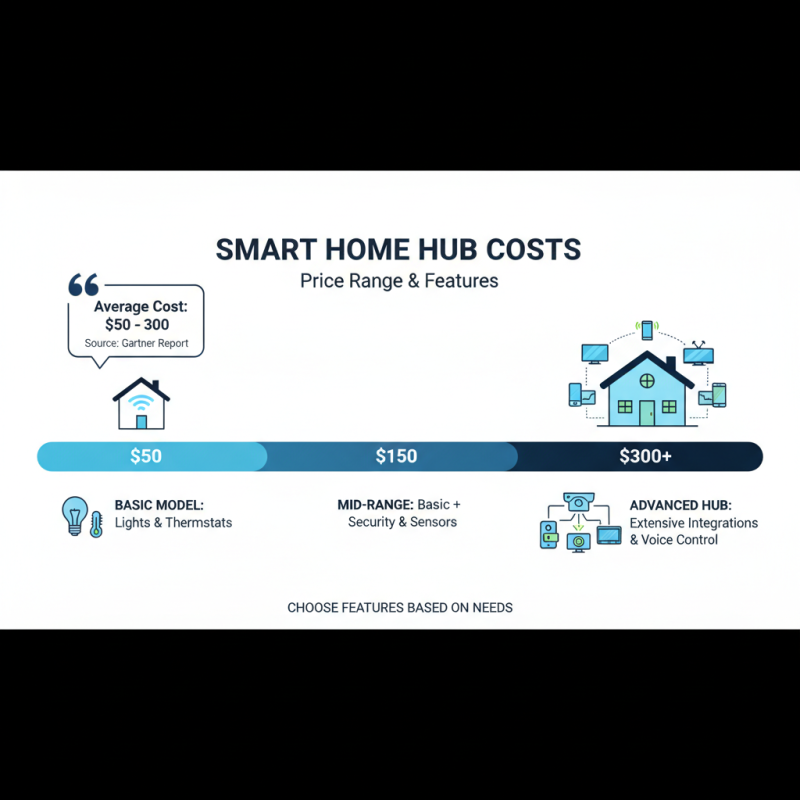
When considering smart home hubs, costs can vary significantly. According to a recent report by Gartner, the average cost of a smart home hub ranges from $50 to $300, depending on features and compatibility. A basic model might suit simple needs, like controlling lights and thermostats, while a more advanced hub could cost much more, offering extensive integrations. Users should weigh these costs against the features most important to them.
Budgeting is key. The Consumer Technology Association noted that 70% of homeowners invest in smart technology to lower energy bills. While some hubs may appear pricey upfront, long-term savings can offset initial costs. It's also crucial to consider ongoing expenses, such as subscriptions for premium services or compatibility upgrades. Some hubs might initially seem appealing, but hidden costs may arise.
Flexibility in budget can also impact choices. Cheaper models may lack support for multiple brands or devices. Upgrading later can be costly. Connecting too many devices might lead to slow performance or reliability issues. Research shows that many users end up spending more than planned when they add features later. Careful planning is essential to avoid spending pitfalls.
Exploring Future-Proofing and Upgrade Options
When selecting a smart home hub, future-proofing is crucial. The smart home market is expected to grow significantly, with projections estimating a compound annual growth rate (CAGR) of 25% by 2028. This means today’s choices may quickly become obsolete. Investing in a hub with upgrade options is wise. Look for devices that support multiple protocols, such as Zigbee and Z-Wave, ensuring compatibility with various devices.
Consider the long-term implications of compatibility. According to research, nearly 70% of users express frustration with their hubs' inability to integrate new devices. A flexible hub can adapt to future technologies. Aim for systems that receive regular firmware updates. These updates often enhance security and functionality, prolonging the product's lifespan.
Think about user experience too. A complex setup can lead to a disconnect between the user and their smart home. Simplicity should be a priority. A recent study highlights that 50% of smart home device owners struggle with overwhelming setups. Choosing a hub that marries ease-of-use with future adaptability is essential. Reflect on these aspects to ensure your smart home ecosystem thrives.
How to Choose the Best Smart Home Hub for Your Needs? - Exploring Future-Proofing and Upgrade Options
| Feature | Description | Importance Level | Upgrade Options |
| Compatibility | Supports a wide range of smart devices across various brands. | High | Regular software updates to include new devices. |
| User Interface | Intuitive and easy-to-use applications for smartphones and tablets. | Medium | Option to customize the dashboard. |
| Voice Assistants | Integration with popular voice assistant services. | High | Future compatibility with new voice recognition technologies. |
| Automation Options | Ability to set routines and automated tasks based on user preferences. | High | Enhanced automation features with updates. |
| Security Features | Advanced security protocols and data encryption. | Very High | Upgradable security packages for protection against new threats. |
| Cost | Initial purchase price and ongoing subscription fees, if any. | Medium | Options for subscription-based services that enhance functionality. |
Unleashing Home Automation: A Comprehensive Guide to the MOES New Star Ring Series Tuya Smart ZigBee3.0 Push Button Switch
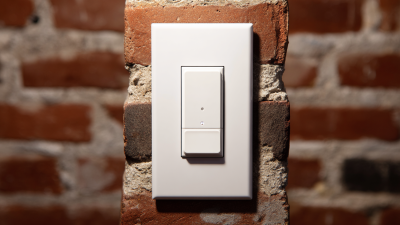
The MOES New Star Ring Series introduces an innovative approach to home automation with its user-friendly design and advanced features. This comprehensive guide explores the capabilities of the Tuya Smart ZigBee3.0 Push Button Switch, which allows homeowners to seamlessly integrate smart technology into their living spaces. With its sleek aesthetic and intuitive functionality, this device enables users to control their home environment with just a simple push of a button.
Equipped with ZigBee 3.0 technology, the push button switch ensures reliable communication between devices, providing a stable connection for all your smart home needs. It not only enhances convenience but also offers energy efficiency, making it an ideal choice for modern households. The switch can be easily customized to control various smart devices, from lights to thermostats, creating a cohesive and automated ambiance throughout your home.
Installation is straightforward, making it accessible even for those who may not consider themselves tech-savvy. The MOES New Star Ring Series aims to empower homeowners by simplifying the transition to a smart living environment while delivering exceptional performance and versatility. Transforming your home into a smart haven has never been easier with this innovative solution at your fingertips.
FAQS
: The focus is on understanding certain concepts and their impacts on everyday life.
They influence decisions, behaviors, and social interactions.
Yes, anyone can. However, understanding varies among individuals.
Lack of clarity and complexity can hinder learning.
Yes, many misunderstand the application of these concepts in real situations.
Engaging with practical examples often helps solidify comprehension.
Breaking down information into smaller parts can make it easier to grasp.
Taking breaks and self-reflection can provide clarity and prevent burnout.
Yes, they offer diverse perspectives but can sometimes lead to confusion.
Mistakes are part of the process. Reflecting on them can enhance understanding.
Conclusion
Choosing the right Smart Home Hub is crucial for creating an efficient and cohesive smart home environment. Start by understanding the importance of Smart Home Hubs, which serve as a central point for managing various connected devices. It’s essential to assess compatibility with your existing smart devices to ensure seamless integration. Evaluating features and functionality is equally important, as it determines how well the hub can manage your devices and automate tasks.
User interface and ease of use should also be considered, as a more intuitive design can enhance your experience. Additionally, analyzing the security and privacy measures offered by the Smart Home Hub protects your data from potential threats. Cost is another key factor; setting a budget helps narrow your choices without compromising on essential features. Finally, consider future-proofing and upgrade options to ensure your investment remains relevant as technology evolves. Overall, a thoughtful approach to selecting a Smart Home Hub will lead to a more enjoyable and secure smart home experience.