Leave Your Message
0%

Picking out the right battery inverter can honestly feel pretty overwhelming sometimes. There’s a lot to think about before you make your call. After all, a good inverter is really the backbone of staying powered up, especially when the power goes out unexpectedly. High-quality inverters aren’t just reliable—they also run smoothly and efficiently, which is a huge plus.

Imagine this—you’re trying to work from your home office during a storm. That’s where an Inverter Battery Backup really proves its worth. But here’s the thing: you’ve gotta check its capacity and make sure it’s compatible with your setup. You want to be sure it’ll actually do what you need it to do.

There are tons of options out there, but not every choice is perfect. Some folks might underestimate how much power they really need, and others might miss out on important features. That’s why it’s so important to really think about what you actually require. Taking the time to reflect on your needs can save you a lot of headaches later on. If you do your homework and choose wisely, you’ll be happy with your decision for years to come.

How to Choose the Right Battery Inverter for Your Needs?

Understanding Battery Inverters: Definition and Functionality

Battery inverters play a crucial role in converting DC power from batteries into usable AC power. Understanding their functionality can help in making informed choices. These devices are essential for off-grid systems and backup power setups. They ensure that stored energy can be used efficiently in home appliances and electronic devices.

The market for battery inverters is growing rapidly. According to a recent industry report, the global battery inverter market is expected to reach USD 20 billion by 2026. More homeowners and businesses are seeking eco-friendly energy solutions. However, not all inverters perform equally. It's important to assess the efficiency rates, which typically range from 80% to 95%. A less efficient inverter can waste a significant amount of energy, which can be frustrating for users.

Selecting the right battery inverter involves understanding your specific needs. One must consider the total wattage of devices to be powered. Also, battery capacity and inverter size should be compatible. An underpowered inverter can lead to system overload. This can result in fault and ultimately damage The Inverter. Cost is another factor. While cheaper models may be tempting, they often compromise on reliability and lifespan. A careful approach is necessary, even if it requires more time.

Key Factors to Consider When Choosing a Battery Inverter

When choosing a battery inverter, several key factors come into play. The power rating is essential. It determines how much energy can be converted. Consider your daily power usage. Think about the appliances you will run. This helps in selecting the right size inverter. Too small, and it will not meet your needs. Too large, and you waste money.

Another important factor is the type of inverter. Grid Tie Battery Inverterallows you to connect to the utility grid. If you plan to sell excess energy back to the grid, this is crucial. However, if you live off-grid, a pure Sine Wave Inverter may be necessary. This type provides cleaner energy for sensitive electronics.

Tip: Choose An Inverter with built-in safety features. This protects your home and appliances. Also, examine the warranty and customer support. These aspects often indicate the manufacturer's reliability. Don't rush into a decision. Research and reflect on your unique energy needs.

Determining Your Power Requirements for Inverter Selection

Choosing the right battery inverter starts with assessing your power needs. This involves calculating the total wattage of the devices you want to run. For instance, a refrigerator may require 600 watts, while a television may need 200 watts. Together, these add up quickly. Awareness of peak and continuous wattage is crucial. According to industry reports, about 75% of users overestimate their needs, leading to overspending. Accurate calculations can prevent this.

Next, consider how long you want the power supply to last. The average battery inverter should support usage for 6 to 12 hours during an outage. This means examining the "Home Ups Battery" specifications, particularly their amp-hour ratings. A battery with a rating of 100 amp-hours can provide 1200 watts for an hour. However, real-life efficiency often falls short of ideal numbers. Variables like temperature and battery age can affect performance.

Evaluate your future requirements too. If you plan to add more devices, factor that into your decision. A battery inverter that seems adequate now may become insufficient later. Surveys show users often neglect this aspect. Failing to account for growth can lead to additional purchases sooner than expected. Understanding your current and future needs can save you time and money in the long run.

Types of Battery Inverters: Which One Suits Your Needs?

How to Choose the Right Battery Inverter for Your Needs?

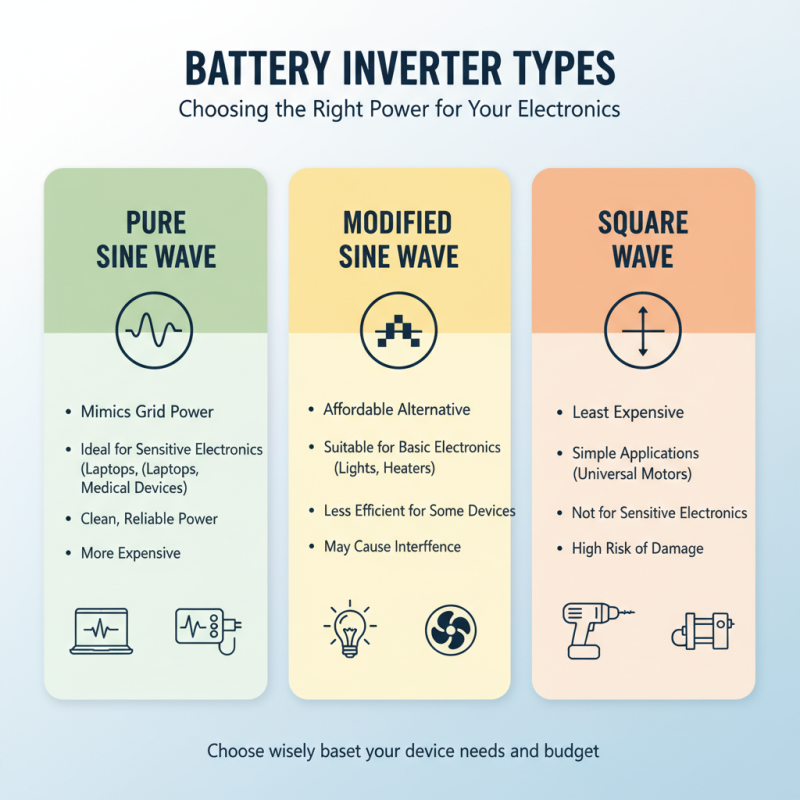
When choosing a battery inverter, understanding the types available is crucial. There are mainly three types: pure sine wave, modified sine wave, and Square Wave Inverters. Each type has distinct functions. For example, pure sine wave inverters mimic grid power. They are preferred for sensitive electronics. However, they tend to be more expensive.

Modified sine wave inverters are a more budget-friendly option. They work well for many appliances but may cause some devices to malfunction. You might find they operate less efficiently, potentially increasing energy costs. Square wave inverters are rare and typically used for specific, low-demand applications. Their limitations make them less appealing for home use.

Consider your energy needs when choosing. For instance, if you have a WIFI smart camera with a built-in solar battery, a pure sine wave inverter would ensure optimal performance. Think about the appliances you plan to power and their compatibility with different inverter types. It’s important to reflect on storage capacity and charging speed too. Making these decisions can be complex. Always weigh the pros and cons before committing to a specific inverter type.

Efficiency Ratings: How to Evaluate Inverter Performance

When choosing a battery inverter, efficiency ratings are crucial. These ratings tell you how well the inverter converts DC power to AC power. Higher efficiency means less energy loss. Typically, an efficiency above 90% is desirable. It ensures you get the most out of your battery bank.

Consider the inverter's load capacity as well. Not all inverters handle the same wattage. Some may struggle under heavy loads. This could lead to overheating or even failure. Always check the continuous and surge power ratings. A mismatch between your appliance needs and inverter capacity can lead to significant issues down the line.

Moreover, remember that real-world conditions differ from specifications. Temperature, humidity, and other environmental factors can affect performance. It's wise to seek user reviews or expert opinions. Sometimes, the numbers won't tell the whole story. Evaluating these elements can help in making a more informed choice.

Safety Features to Look for in a Battery Inverter

How to Choose the Right Battery Inverter for Your Needs?

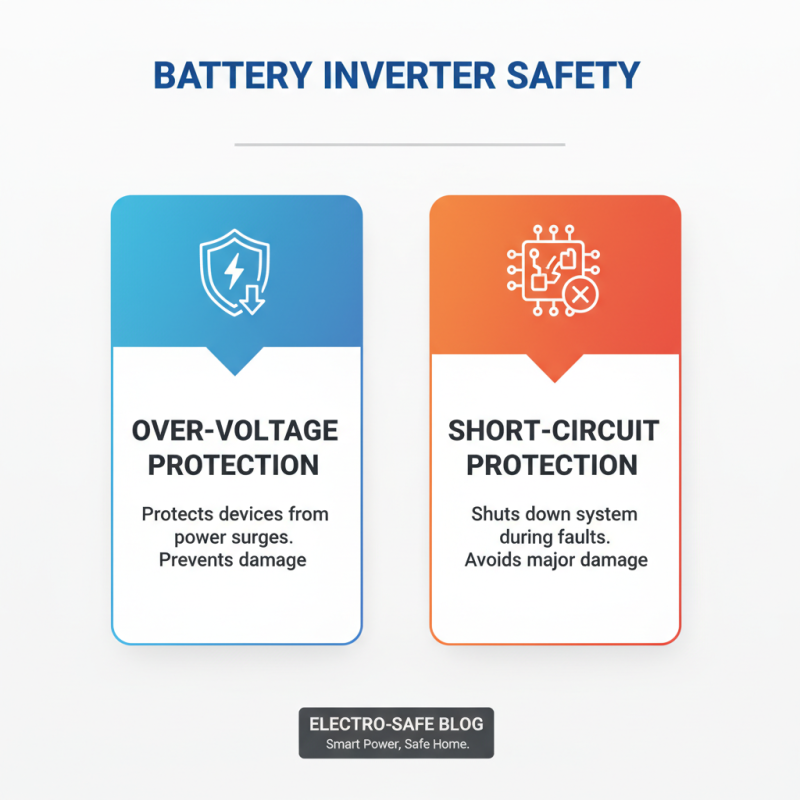
When selecting a battery inverter, safety features are crucial. Look for over-voltage protection. This feature prevents damage from power surges. It keeps your devices safe, which is essential for electrical appliances. Short-circuit protection is another important aspect. It shuts down the inverter if a fault occurs. This can save your system from significant damage.

Consider thermal protection as well. An inverter that can detect overheating will protect its internal components. It will shut down when temperatures rise too high. This is essential, especially in hot climates. Additionally, a built-in fuse can prevent excessive current flow. Fuses are crucial for limiting potential hazards.

Don't overlook user-friendly interfaces. Clear displays help you monitor performance. Simple controls make adjustments easier. However, make sure the inverter is not too complicated. Overly complex features can be frustrating. Reflect on your specific needs and prioritize safety. A well-chosen inverter can effectively serve you for years. Make safety your top priority.

Costs and Budgeting: Finding the Right Inverter for Your Wallet

When considering costs for a battery inverter, it's crucial to assess your specific energy needs. A basic inverter can range from $100 to $400. However, high-capacity models suitable for larger homes may exceed $1,000. The investment should align with the amount of energy you intend to store and use. According to a recent market report, the demand for inverters with enhanced efficiency has increased significantly, reflecting the shift towards renewable energy solutions.

Budgeting isn't just about the initial cost. Ongoing expenses, maintenance, and potential upgrades must be factored in. A quality inverter can save you money long-term by improving energy efficiency. For example, inverters with a high efficiency rating can yield savings on your electricity bills. Reports indicate that users enjoy a 15-20% reduction in energy costs with optimized equipment.

Consider also the reliability of the manufacturer. Investing in a reputable source can mitigate future expenses. A reliable inverter from a facility like a China Top Home Ups Battery Factory could offer better longevity and performance. However, don’t overlook cheaper options that may have hidden costs. It’s a delicate balance between price and quality, and careful consideration can prevent potential regrets down the line.

How to Choose the Right Battery Inverter for Your Needs? - Costs and Budgeting: Finding the Right Inverter for Your Wallet

Inverter Type Power Rating (W) Input Voltage (V) Output Waveform Cost (USD) Recommended Usage
Pure Sine Wave 1000 12 Sine 200 Home appliances, sensitive electronics
Modified Sine Wave 800 12 Modified 150 Power tools, simple appliances
Heavy-Duty Inverter 2000 24 Sine 400 Refrigerators, HVAC systems
Portable Inverter 500 12 Modified 100 Camping, outdoor activities
Inverter Charger 1500 12 Sine 350 Backup power for homes

Maximizing Off-Grid Energy Efficiency with Low Frequency Pure Sine Wave Hybrid Solar Inverters and Chargers

Maximizing off-grid energy efficiency is crucial for sustainable living, especially as reliance on traditional power sources declines. Low frequency pure sine wave hybrid solar inverters and chargers present an optimal solution for maximizing solar energy's effectiveness. These devices convert solar energy into a quality power output, essential for running sensitive electronics that require stable voltage levels. According to industry reports, the efficiency of solar inverters can significantly impact overall energy production, with high-quality inverters achieving efficiency ratings over 95%.

Moreover, incorporating hybrid systems enhances energy management by allowing users to utilize multiple energy sources, including solar power and battery storage. This flexibility not only conserves energy but also ensures a reliable power supply. According to the National Renewable Energy Laboratory (NREL), integrating battery storage with solar systems can increase energy independence and reduce utility bills by up to 50%. With advancements in technology, low frequency pure sine wave inverters are designed to handle varying load requirements, making them suitable for off-grid applications ranging from residential use to remote operations.

As more households and businesses seek sustainable energy solutions, the transition to solar inverters that maximize efficiency becomes imperative. Enhanced performance and reliability, combined with advanced monitoring features, empower users to make informed decisions about their energy consumption. The trend towards hybrid renewable energy systems reflects a growing commitment to reducing carbon footprints and promoting energy resilience in today's climate-conscious world.

FAQS

: What are the key benefits of regular exercise?

: Regular exercise boosts your mood and energy levels. It helps with weight management. Improved sleep is another benefit.

How much exercise is recommended per week?

Aim for at least 150 minutes of moderate exercise. You can divide this time throughout the week.

What types of exercise should I include?

Include aerobic, strength training, and flexibility exercises. Balance activities are also important for overall fitness.

Can exercise help reduce stress?

Yes, physical activity can lower stress levels. It releases endorphins, which improve your mood and relaxation.

How do I stay motivated to exercise?

Set realistic goals and track your progress. Finding a workout buddy can also make it more enjoyable.

What if I don't have much time?

Even short workouts are beneficial. Ten-minute sessions can add up to significant health benefits. Just stay consistent.

Is it necessary to warm up before exercising?

Yes, warming up prepares your muscles. It can prevent injuries and improve your performance during workouts.

What should I do if I miss a workout?

Don't be too hard on yourself. Just get back on track and try to establish a routine again.

Can I exercise if I'm feeling tired?

Sometimes light exercise can actually boost energy. Listen to your body; rest if you really need it.

How do I know if I'm overdoing it?

Watch for signs like exhaustion or persistent soreness. Rest days are important to allow your body to recover.

Conclusion

Choosing the right battery inverter is essential for effectively managing your power needs. A battery inverter converts stored energy from batteries into usable electrical power, allowing you to run various devices or appliances. When selecting a battery inverter, it’s crucial to consider key factors such as your specific power requirements, the types of devices you intend to use, and the inverter’s efficiency ratings.

Additionally, safety features should not be overlooked, as they help to protect both the inverter and the devices connected to it. Budget considerations also play a significant role, as finding the right balance between quality and affordability is important for long-term satisfaction. By understanding these elements, you can make an informed decision that aligns with your energy needs and financial constraints.
Isabella

Isabella

Isabella is a dedicated marketing professional at Wenzhou NOVA New Energy Co., Ltd., where she plays a crucial role in promoting the company's innovative solutions in the Solar New Energy and Smart Home sectors. With a keen understanding of the industry, Isabella frequently updates the company's......
Previous Unveiling Energy Inverter Specifications and Practical Tips for Global Buyers