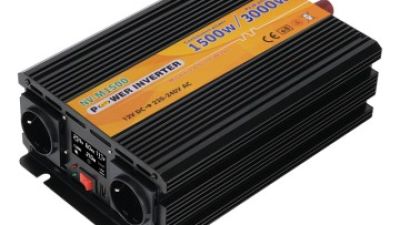
In today’s world, moving fast and staying connected is more important than ever, and that’s why having reliable energy solutions is a total game-changer. The Mobile Inverterindustry has really taken off lately, showing just how much demand there is for flexible power options. John Taylor from PowerTech Innovations, a guy who knows his stuff, mentioned, "Getting to know your Mobile Inverter can seriously boost how well it works." That kind of advice just goes to show how crucial it is to get a grip on the basics if you want everything to run smoothly.
A Mobile Inverter is pretty much a must-have for outdoor lovers and professionals—they rely on it daily. But here’s the thing: knowing what you’re doing makes all the difference. Too many folks underestimate how important routine maintenance is, and ignoring little things can actually drag down performance or even cause damage.
If you’re clued-up and proactive, you can really make the most out of your Mobile Inverter. Picking the right model and understanding its features isn’t just tech talk; it’s key to getting the best out of your gear. As we go over some essential tips, I’ll also point out some common mistakes so you can avoid them and use your Mobile Inverter like a pro.
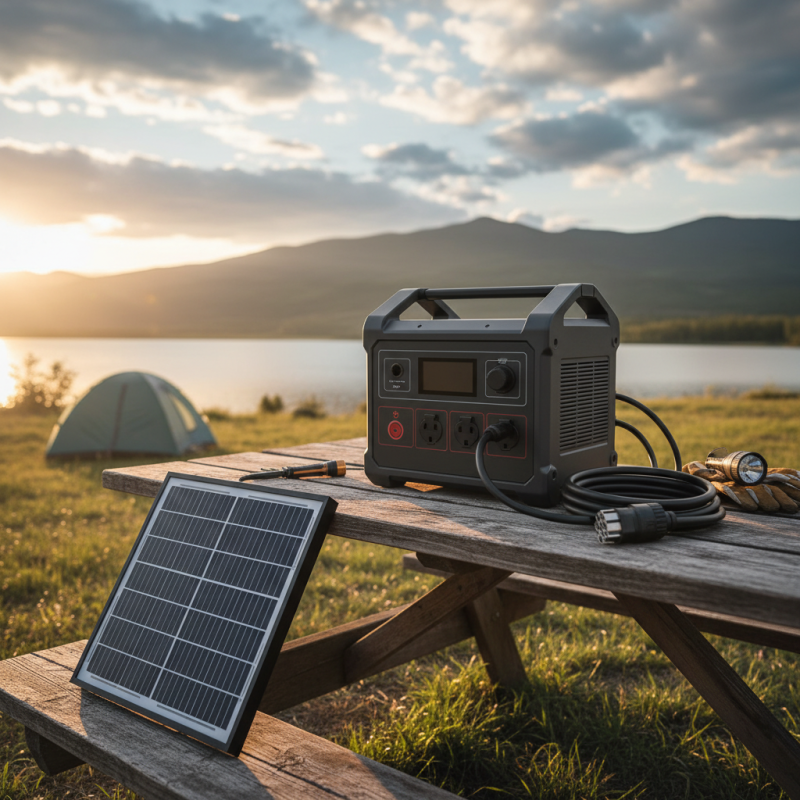
Essential Features of Mobile Inverters for Optimal Performance
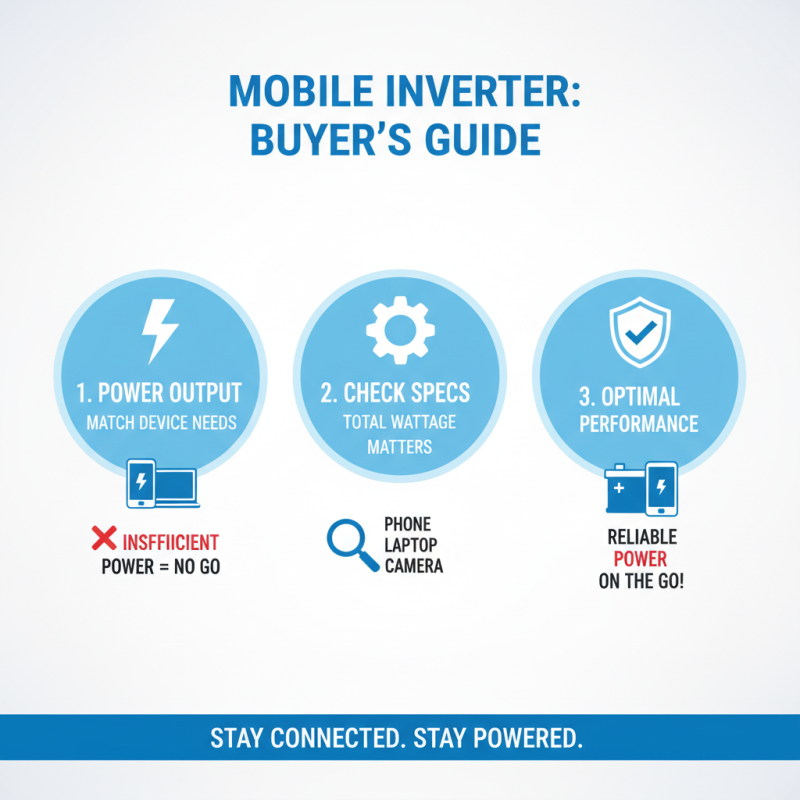
When choosing a mobile inverter, it's crucial to understand the essential features that drive optimal performance. The power output is a key factor. Look for inverters with output ratings that meet your needs. Many users face challenges when the output is not sufficient for their devices. Always check the device specifications to avoid disappointment.
Another important feature is the efficiency rating. A higher efficiency means less energy loss. Some inverters can waste up to 25% of energy. This can be frustrating, especially during extended use. Investing in a more efficient model may save energy in the long run. Consider design features like cooling systems too. Overheating can harm performance and shorten lifespan.
Finally, portability is vital. A heavy inverter might be cumbersome during travels. Some users have had issues fitting bulky inverters into tight spaces. Lightweight designs will make a difference during outdoor activities. Think about your specific needs and how you’ll use your inverter. The right features will enhance your experience significantly, leading to better energy management.
Understanding Power Ratings: Watts, Amps, and Volts in Mobile Inverters
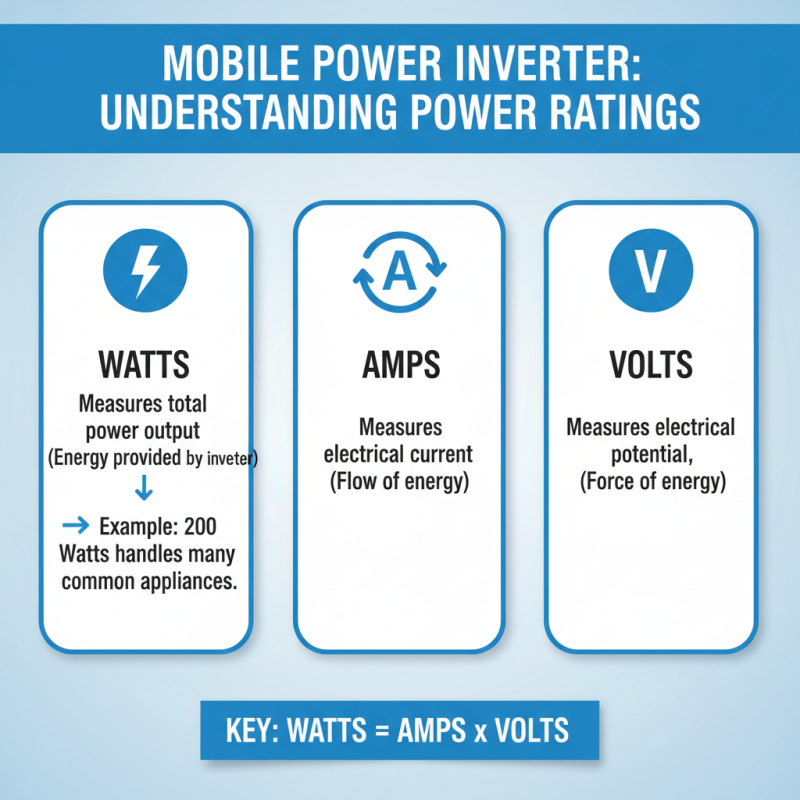
Understanding power ratings is crucial for getting the most out of your Mobile Power Inverter. Watts, amps, and volts all play a role in how efficiently your device operates. Watts measure the total power output. It indicates how much energy your inverter can provide. For example, a device rated at 200 watts can handle many common appliances.
Amps reflect the current flow. This number shows how much energy is needed at a moment. Higher amps can lead to overheating if The Inverter is not rated for them. Volts measure the electric potential. With a good understanding of these units, you can prevent damage to your devices. However, mismatched ratings can cause issues.
Always check the specifications before use. Some people plug in without thinking. This can lead to blown fuses or worse. Consider calculating the total wattage of devices you plan to use. It’s a simple step but often overlooked.
A Mobile Power Inverter is an invaluable tool for outdoor activities or emergencies. Proper knowledge of wattage, amps, and volts can enhance safety and efficiency. It’s essential to reflect on these ratings when using your inverter to avoid pitfalls.
Types of Mobile Inverters: Pure Sine Wave vs. Modified Sine Wave
When choosing a mobile inverter, understanding the differences between pure sine wave and modified sine wave types is crucial. Pure sine wave inverters produce a smooth, consistent power output. This makes them ideal for sensitive electronics. They can run devices like laptops and medical equipment efficiently without distortion. However, these inverters can be more expensive. It's essential to weigh the benefits against the cost.
On the other hand, modified sine wave inverters are often cheaper and more widely available. They work well for less sensitive devices, such as power tools and lights. However, they might not power all electronics effectively. You may experience issues with noise or improper functionality with some appliances. Many users overlook these details, leading to dissatisfaction.
In the end, consider your power needs carefully. A China Top Mobile Inverter Factory can provide both types, allowing you to compare features directly.
Choosing the right inverter can enhance your mobile experience and prevent future headaches.
Safety Features to Look for in Mobile Inverters: Protection Ratings (IP)
When considering a mobile inverter, safety features should be a top priority. Look for protection ratings, especially the Ingress Protection (IP) rating. An IP rating indicates how well the device can withstand dust and moisture. For example, a rating of IP65 means the inverter is dust-tight and can handle water jets. This is essential for outdoor use or unexpected weather conditions.
Another key aspect is thermal protection. Inverters can overheat during extended use. A model with built-in thermal management can prevent damage. However, not all inverters provide this feature adequately. Some users have faced issues when their inverters shut down unexpectedly.
Trying to find the "China Best Mobile Inverter Factory" may lead to varying quality. Some factories provide excellent protection ratings, while others fall short. Always do thorough research. Read reviews and seek feedback on safety features. It’s crucial to choose wisely to ensure both performance and safety.
Factors Impacting Inverter Efficiency: Temperature and Load Cycles
Temperature and load cycles play crucial roles in the efficiency of mobile inverters. High temperatures can significantly reduce an inverter's performance. When operating in hot conditions, the internal components may overheat. This can lead to energy losses. Ensuring proper ventilation can help maintain optimal temperatures. However, this is often overlooked. Many users do not consider their inverter's placement. A shaded area can enhance efficiency.
Load cycles also impact inverter performance. Frequent cycling can wear out components faster. It may cause inefficiencies over time. Loading the inverter within its rated capacity is essential. Exceeding this can cause overheating and premature failure. Some users may not track their usage carefully. This negligence can lead to unexpected failures and frustration during use.
Regular maintenance is often neglected as well. Dust accumulation can prime a device for failure. Cleaning the inverter periodically can help maintain its efficiency. Moreover, users should regularly check connections. Loose or corroded connections can lead to energy losses. It's vital to be attentive to these details for optimal performance.
Best Practices for Maintaining Your Mobile Inverter's Longevity
Maintaining your mobile inverter is crucial for extending its lifespan. Regularly check the connections. Loose wires can lead to poor performance. Ensure cleanliness by wiping the surface often. Dust and debris can affect efficiency. Keep it dry to prevent short circuits. Moisture can damage the internal components.
Using your inverter within its specified limits is vital. Overloading can lead to overheating. Pay attention to the output capacity. If it feels unusually hot, disconnect it immediately. Always monitor the temperature during use. Also, avoid long runs in extreme conditions.
Consider investing in a surge protector. This can safeguard your inverter from power spikes. While it may seem unnecessary, it can save you money in the long run. Reflect on your usage habits. Are you pushing the inverter too hard? Adjust your expectations for better performance. A little care goes a long way.
Essential Mobile Inverter Usage Efficiency
Real-World Applications: Mobile Inverters in Emergency and RV Use
Mobile inverters play a pivotal role in various real-world applications, especially in emergencies and RV living. According to a 2022 industry report, nearly 40% of mobile inverter users are RV owners. These devices offer reliable power during unexpected situations. For instance, during natural disasters, having a portable power source can be life-saving. People often overlook the importance of proper wattage calculations, leading to potential power shortages.
In RV setups, mobile inverters allow for flexible power usage. They can charge laptops, power appliances, and even support medical devices. However, usage can be tricky. Some users miscalculate energy needs, causing devices to shut down. Data shows that incorrect usage can decrease battery efficiency by up to 30%. Observing best practices is crucial. Users should investigate various inverter capabilities before making a choice, ensuring they're aligned with their specific power demands.
An interesting trend is the rise of solar mobile inverters. They provide a sustainable power solution, particularly in off-grid scenarios. Yet, a study highlighted that 25% of users did not fully understand their inverters’ features. This gap can lead to wasted resources. Engaging with knowledgeable suppliers, like the China Top Mobile Inverter Supplier, can bridge this knowledge gap. Implementing insights from experts can enhance efficiency and sustainability in power usage.
Maximizing Off-Grid Power: A Comprehensive Guide to Modified Sine Wave Inverters for Your Car
When it comes to maximizing off-grid power, modified sine wave inverters emerge as a cost-effective and efficient option for various applications, particularly in vehicles such as RVs and boats. These inverters are particularly suited for powering resistive loads like incandescent lights, heaters, and basic household appliances. Their affordability makes them a popular choice among users who prioritize budget considerations over the need for precision, especially in scenarios like solar power setups and emergency power systems.
While modified sine wave inverters can also operate some inductive loads, such as refrigerators and motors, it's important to note that this may come with limitations. The performance can be less efficient, and users might encounter issues like increased noise and potential overheating in sensitive applications. Due to harmonic distortion, these inverters are not recommended for powering delicate electronics, including medical devices and laptops, as the distortion can lead to malfunctions. However, their rugged design ensures reliability when used with tools, pumps, and emergency lighting, making them valuable in remote areas where dependable power is crucial.
FAQS
: Self-care products include skincare, bath items, and relaxation tools. Choose what feels right for you.
Use soft lighting, calming scents, and soothing music. Small changes can make a big difference.
Breaks help reduce stress and improve focus. Continuous work can lead to burnout.
Deep breathing, meditation, and physical activity can all lower stress levels. Experiment to find what works best.
Regularity matters. Make time daily or weekly, but adjust based on your needs and feelings.
Guilt is common. Reflect on your needs. Self-care is essential for mental health and overall well-being.
Yes, it can refresh your mind and enhance efficiency. Balance is key; don’t neglect time for yourself.
Self-care doesn’t require spending. Simple acts, like a walk or reading, can effectively refresh your spirit.
Look for small pockets of time. Even short moments of relaxation can be beneficial. Prioritize yourself.
It may feel that way, but self-care is vital. Caring for yourself allows you to care for others better.
Conclusion
Mobile inverters are essential tools for converting DC power to AC power, making them invaluable for various applications, from emergency situations to RV use. Understanding the key features of mobile inverters, such as power ratings measured in watts, amps, and volts, is crucial for selecting the right device for optimal performance. When choosing between pure sine wave and modified sine wave inverters, users must consider compatibility with their devices to ensure efficient operation.
Additionally, safety features like protection ratings (IP) and the factors impacting inverter efficiency, such as temperature and load cycles, play a significant role in ensuring longevity and reliability. Adopting best practices for maintenance can further enhance the lifespan of a mobile inverter, solidifying its utility in critical and recreational scenarios alike. By being informed about these essential aspects, users can maximize the efficiency and effectiveness of their mobile inverter systems.