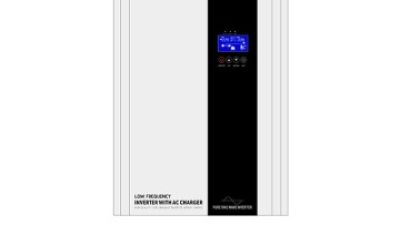
In the ever-changing world of industrial energy solutions, more and more businesses are starting to look into Low Frequency Inverters. Industry expert John Anderson, CEO of GreenTech Innovations, says, “A Low Frequency Inverter can really slash your energy costs thanks to its efficiency.” This kind of tech isn’t just reliable; it also offers a lot of flexibility, making it perfect for all kinds of applications.
Now, what’s great about Low Frequency Inverters is how well they handle heavy loads and their ability to produce more torque at lower speeds. That makes them a no-brainer in tough industrial settings. But, I gotta say, they can be a bit tricky to understand at first—digging into their specs might feel overwhelming. It’s super important to really get how they work because using them incorrectly can lead to wasted energy and poor performance.
Picking the right Low Frequency Inverter isn’t just about saving a few bucks; it’s about making sure your operations run smoothly and efficiently. Investing in one of these could totally change how your business uses energy and boost your overall reliability. It’s definitely worth taking the time to choose wisely.
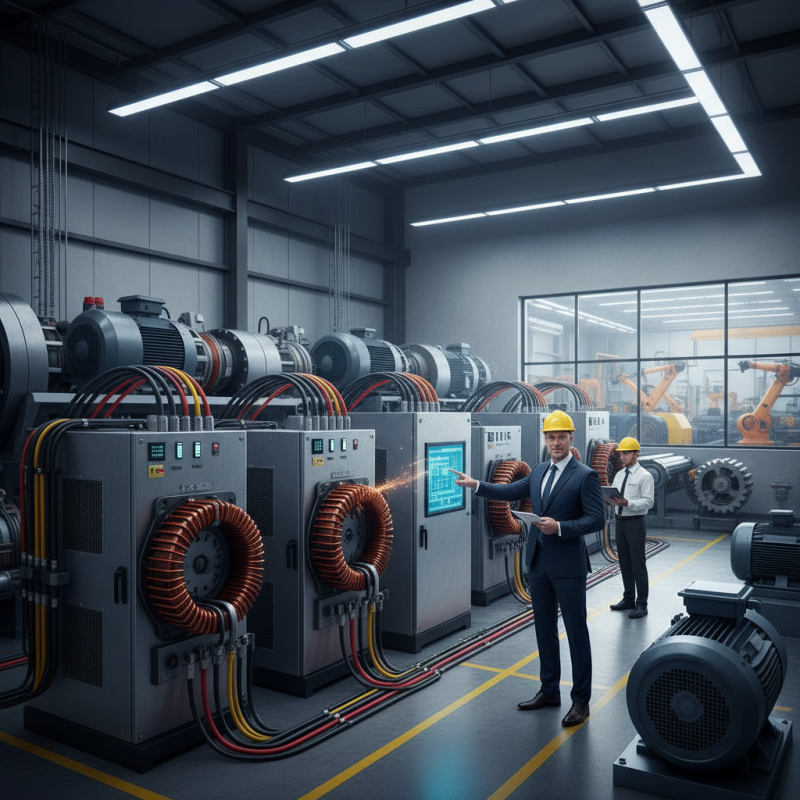
Advantages of Low Frequency Inverters for Businesses
Low frequency inverters offer significant advantages for businesses. They improve energy efficiency, saving costs in the long run. These inverters operate at lower speeds, which helps reduce overall power consumption. Many companies have reported a decrease in their electricity bills after switching to low frequency inverters.
They also enhance equipment lifespan. Continuous operation at lower frequencies creates less strain on motors and components. This can lead to fewer breakdowns and reduced maintenance needs. Investing in these inverters can mean fewer disruptions in production. The reliability of low frequency inverters contributes to smoother operation in various industries.
It's essential to consider the initial installation costs. While they provide long-term savings, the upfront investment can be challenging for startups. Businesses must weigh costs against potential future savings carefully. This reflection is critical for making informed decisions. Low frequency inverters can transform operations if applied thoughtfully.
Understanding Low Frequency Inverter Technology
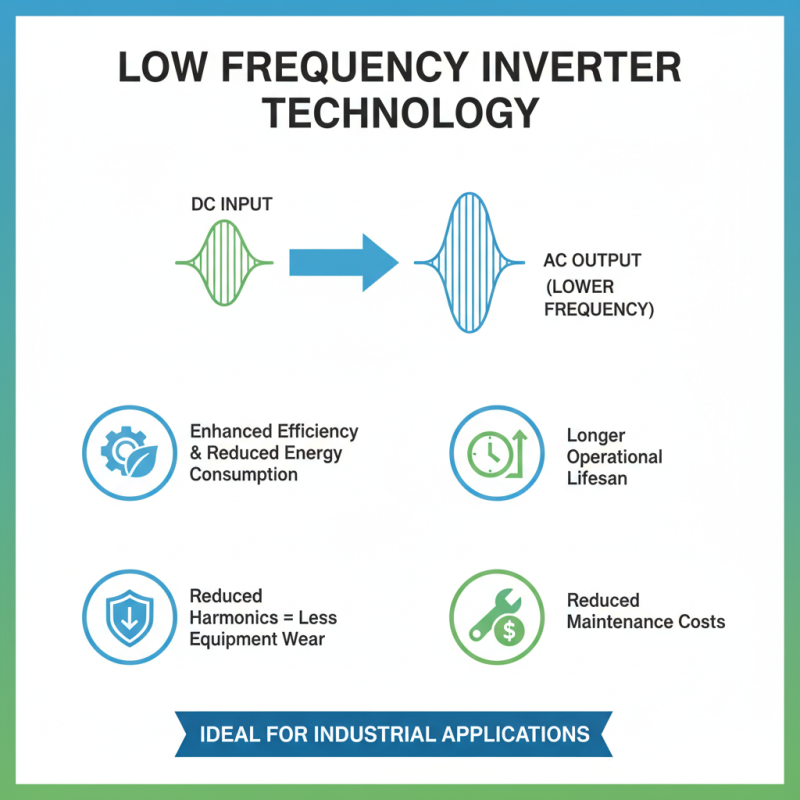
Low frequency inverters are notable for their specific advantages in various industrial applications. These devices convert DC (Direct Current) into AC (Alternating Current) at lower frequencies. This technology enhances efficiency and reduces energy consumption. Many businesses find that reduced harmonics in power systems lead to less wear and tear on equipment. This translates to longer operational lifespans and reduced maintenance costs.
Understanding how low frequency inverters operate is essential. They utilize a different approach than standard inverters, which often work at higher frequencies. The low frequency operation results in smoother power delivery, crucial for sensitive machinery. Users can experience fewer disruptions during operation, although these systems may also pose challenges in terms of response time and complexity. Some might find the setup daunting, but investing in training can mitigate this.
The reliability of low frequency inverters appeals to industries like manufacturing and telecommunications. These sectors require steady and consistent power supplies. However, it’s important to consider the specific needs of your business before making a choice. A detailed analysis of your power requirements can help ensure optimal performance. Adopting this technology calls for thoughtful evaluation and a willingness to adapt.
Energy Efficiency Benefits of Low Frequency Inverters
Low-frequency inverters are making waves in the energy sector. One key reason is their energy efficiency. According to a report by the International Energy Agency, low-frequency inverters can increase system efficiency by 10-15%. This can lead to substantial cost savings for businesses reliant on consistent power supply.
Moreover, low-frequency inverters often operate with a lower total harmonic distortion (THD). A THD of less than 5% is achievable, which is critical for sensitive electronic equipment. This quality ensures that devices run smoothly and efficiently, reducing the risk of damage. For businesses, this can mean fewer interruptions and less maintenance.
Despite their advantages, low-frequency inverters aren't without drawbacks. They may require a higher upfront investment compared to traditional options. However, the long-term savings and efficiency gains often justify this cost. The Low Frequency Pure Sine Wave Hybrid Solar Inverter exemplifies how innovative technology in this field can maximize energy usage while minimizing waste. Investing in such systems can be a strategic move for businesses aiming to enhance their energy footprint.
Why Choose Low Frequency Inverter for Your Business Needs? - Energy Efficiency Benefits of Low Frequency Inverters
| Feature | Low Frequency Inverter | Standard Inverter |
| Energy Efficiency | Up to 95% | 85-90% |
| Operational Noise Level | Low Noise | Moderate Noise |
| Cooling Efficiency | Better Cooling | Standard Cooling |
| Lifespan | 10+ years | 5-7 years |
| Power Factor | >0.95 | |
| Cost of Ownership | Lower over time | Higher due to maintenance |
| Applications | Suitable for sensitive equipment | General applications |
Cost-Effectiveness of Low Frequency Inverter Solutions
Low frequency inverters are a cost-effective solution for various business applications. They provide significant savings on energy costs over their lifespan. With lower operational costs, companies can reallocate resources to other critical areas. Businesses often overlook the financial benefits of low frequency inverters compared to High Frequency Inverters, which can be more expensive.
When selecting An Inverter, consider how the initial investment aligns with long-term savings. Many users report reduced maintenance costs with low frequency inverters. This consistency leads to fewer breakdowns and interruptions. Don’t underestimate the impact of reliable equipment on productivity.
Tips: Choose a low frequency inverter that matches your power requirements. This ensures optimum performance and efficiency. Regularly review your energy usage to understand how much you're saving. Small adjustments can lead to significant improvements in energy efficiency. Remember, investing in the right inverter today can reduce operational headaches down the line. However, be aware that individual needs may vary, and what works for one business might not fit another.
Balancing cost against features is essential. High frequency inverters may seem appealing but often bring higher costs without proportional benefits. Decisions should hinge on careful evaluation, not just trends in technology. Always strive for solutions that enhance efficiency without compromising reliability.
Applications of Low Frequency Inverters in Various Industries
Low frequency inverters are gaining traction across various industries for their unique capabilities. These devices operate at lower frequencies, ensuring smoother control of electric motors. In manufacturing, they help optimize energy consumption. According to a report by Grand View Research, the global market for low frequency inverters is expected to reach USD 7 billion by 2025, reflecting their growing importance.
In agriculture, low frequency inverters enhance irrigation systems. They allow for precise control of water pumps, contributing to water conservation. A study from the Agriculture and Food Research Initiative highlights that automated irrigation can reduce water usage by 30%. Furthermore, in the HVAC sector, these inverters provide efficient temperature regulation, leading to lower energy bills. Reports indicate that energy savings can reach up to 40% with the adoption of advanced inverter technology.
Despite their benefits, challenges remain. Initial installation costs can be high. Companies may hesitate to invest without clear ROI data. Regular maintenance is essential for optimal performance. Without it, efficiency can decline, leading to additional costs. Industries must weigh these factors carefully.
Comparing Low Frequency Inverters with High Frequency Options
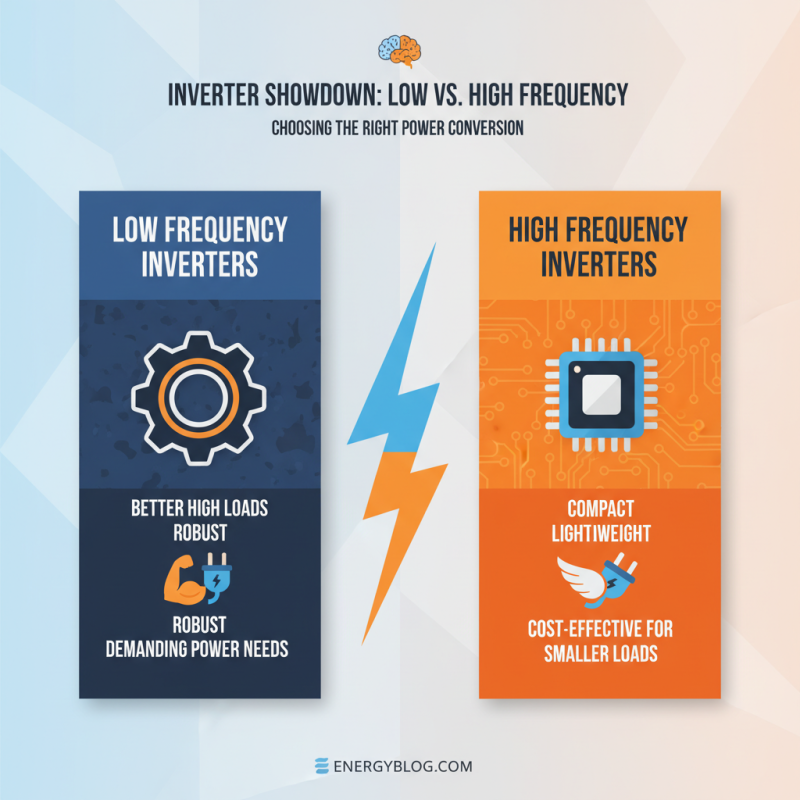
When choosing between low frequency and high frequency inverters, several factors can influence your decision. Low frequency inverters typically provide better performance with high loads. They are robust and can handle various applications effectively. This makes them a reliable choice for businesses with demanding power needs.
Low frequency inverters are known for their efficiency. They produce less noise and can operate in harsher environments. This makes them ideal for industrial settings or outdoor installations. In contrast, high frequency inverters may be more lightweight and compact, but they often lack the durability needed for heavy-duty use. Consider the specific requirements of your business when making this choice.
Tips: Always assess your power needs before installation. Analyze load requirements carefully. Match The Inverter type to your business environment. For temporary operations, aLow Power Inverter can be suitable, but evaluate long-term needs. Some users find transitioning to low frequency systems costly upfront. However, the long-term benefits often outweigh the initial investment.
Future Trends in Low Frequency Inverter Development and Usage
The development of low frequency inverters is evolving quickly. Industries are increasingly adopting these inverters for various applications. Their ability to handle fluctuations in power supply makes them invaluable. Businesses need reliable power solutions, and Low Voltage Inverters are at the forefront of this trend.
In the near future, low frequency inverters will integrate smart technology. This means improved energy efficiency and enhanced data monitoring. Companies will benefit from real-time insights into power consumption. However, these advancements raise questions about affordability and accessibility. Not every business can keep up with the rapid pace of innovation.
Another important point is sustainability. Low frequency inverters can reduce energy costs, but their production may still have ecological impacts. Advanced materials may help, but we should critically evaluate the entire lifecycle of these products. Focus must shift towards both performance and environmental responsibility in the development of low Voltage Inverters.
Low Frequency Inverter Trends and Usage in Business
Maximizing Efficiency: Insights from Recent Reports on Low Frequency Pure Sine Wave Hybrid Solar Inverters and Off-Grid Power Solutions
The push for sustainable energy solutions has led to a surge in interest in hybrid solar inverters, particularly those that utilize low frequency pure sine wave technology. Recent reports indicate that these inverters offer significant advantages in terms of efficiency, reliability, and power output, making them ideal for off-grid power solutions. For instance, studies reveal that low frequency pure sine wave inverters can improve inverter efficiency by up to 98%, leading to enhanced performance in residential and commercial applications.
Furthermore, the integration of these inverters into hybrid systems enables consumers to maximize their energy usage by seamlessly blending solar power with other sources, such as battery storage and generators. The ability to efficiently convert DC electricity from solar panels into clean AC power is crucial for maintaining stable energy supply, especially in remote areas where grid connectivity is uncertain. Recent market analyses suggest that the demand for hybrid solar inverters is set to grow at a compound annual growth rate of over 15% through the next decade, highlighting the rising importance of these technologies in achieving energy independence and sustainability.
In addition to efficiency gains, users can also benefit from cost savings over time. A report on the economic viability of off-grid solar solutions demonstrates that the total levelized cost of energy can decrease by as much as 20% when utilizing advanced low frequency inverters compared to traditional options. This economic advantage, combined with their environmentally friendly nature, positions low frequency pure sine wave hybrid solar inverters as a critical component in the transition towards a more sustainable energy future.
FAQS
: They improve energy efficiency and can reduce electricity costs over time.
They reduce strain on motors, leading to fewer breakdowns and lower maintenance needs.
Yes, the upfront investment can be high, which may challenge startups.
They can enhance system efficiency by 10-15%, leading to substantial cost savings.
It indicates power quality; a THD below 5% is ideal for sensitive equipment.
Yes, they may present setup complexities and response time issues.
They operate at lower frequencies, which provides smoother power delivery and reduces wear.
Absolutely, analyzing specific power requirements ensures optimal performance.
Yes, investing in adequate training can ease the setup process for users.
Their initial costs may be a concern, but saving in the long run can offset it.
Conclusion
In today's competitive business landscape, choosing the right technology is crucial, and Low Frequency Inverters emerge as a practical solution for various enterprises. These inverters offer numerous advantages, including enhanced energy efficiency and cost-effectiveness, making them an ideal choice for businesses looking to optimize operational costs. They utilize advanced technology that ensures stable performance while minimizing energy consumption.
Moreover, Low Frequency Inverters are versatile, finding applications across various industries, from manufacturing to HVAC systems. When compared to their high-frequency counterparts, they provide a more reliable and efficient solution for many applications. As industries continue to evolve, the future trends in Low Frequency Inverter development indicate a growing demand for sustainable and efficient energy solutions, affirming their role in modern business strategies.