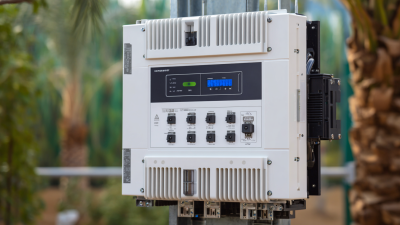
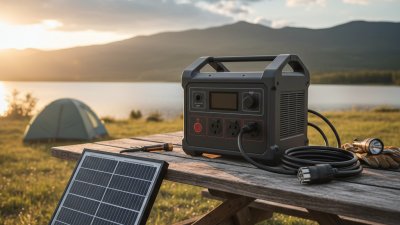
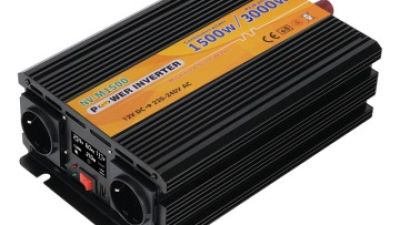
Lately, there's been a real uptick in people looking for Power Inverters. You know, with renewable energy gaining ground and more folks using mobile gadgets, it’s no surprise. I read somewhere that the global market for power inverters might hit around $18.7 billion by 2027—pretty mind-blowing, right? This trend just goes to show how important it is to really understand what makes a good, reliable inverter before you buy one.
Picking the right inverter isn’t just about grabbing the cheapest or the most popular one. Trust me, it’s vital for keeping your energy efficient and reliable. Sadly, a lot of folks kinda overlook the basics—like the type of inverter, how much power they actually need, or if it’s got necessary safety features. Actually, industry reports say that about 30% of users underestimate how much power their devices require. Oops.
And let’s be honest, the sheer number of options out there can be super overwhelming. Whether you’re using it at home or on the go, understanding what suits your situation can really make all the difference in performance. Plus, it’s a good idea to be wary of cheap, less reputable products. They might seem like a bargain at first, but they can lead to bigger headaches down the line. In the end, choosing the right power inverter isn’t just about saving a few bucks—it’s about better energy management and saving some cash over time."
Understanding Power Inverters and Their Functions
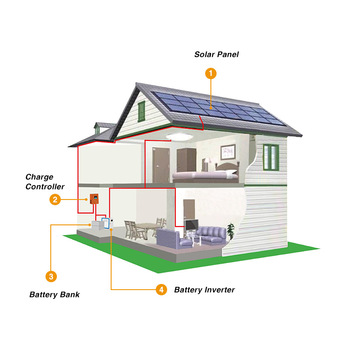
Power inverters are essential devices that convert direct current (DC) to alternating current (AC), making them vital for various applications. Understanding their functions helps in selecting the right inverter for your needs. These devices are commonly used in power systems, from small solar setups to larger backup generators. Knowing how they operate can guide users in making informed purchases.
When choosing a power inverter, consider the wattage you require. Larger appliances need more power, while smaller devices can function with less. Also, check The Inverter's efficiency rating. Higher efficiency means less energy loss. Look for inverters with built-in protection features. They help prevent overloads and short circuits, ensuring safety.
Tips: Determine your power needs based on the devices you use. Always calculate the starting and running wattages. If uncertain, consult a professional. This expert advice can clarify your requirements and avoid potential pitfalls. Each setup is unique, and not all inverters will suit your situation. Don't rush into a purchase. Take time to research and compare options.
Types of Power Inverters: Pure Sine Wave vs. Modified Sine Wave
When choosing a power inverter, understanding the difference between pure sine wave and modified Sine Wave Inverters is crucial. Pure sine wave inverters provide a smooth, consistent output resembling utility power. They are essential for sensitive electronics like laptops and medical devices. According to industry reports, approximately 70% of users prefer pure sine wave inverters for their reliability and performance.
On the other hand, modified sine wave inverters are more budget-friendly. They deliver a choppy waveform that can work for simpler devices such as lights and basic tools. However, users should be aware that these inverters can cause inefficiencies. For instance, some appliances may run hotter or use more energy than necessary, affecting longevity. In fact, studies show that about 20% of device malfunctions can stem from using a modified sine wave inverter.
Understanding these nuances helps in making informed decisions. While budget constraints matter, investing in an Ac Power Inverter that meets your devices' needs can lead to long-term savings. Balancing performance and cost will ultimately enhance your electricity usage efficiency.
Power Inverters Comparison: Pure Sine Wave vs Modified Sine Wave
Key Features to Consider When Buying a Power Inverter
When considering a power inverter, several key features stand out. The inverter’s capacity is crucial. It determines how much power it can supply. Look for inverters with clear power ratings. These ratings often indicate the maximum wattage. Understanding your power needs helps in making the right choice.
Another important feature is output waveform. Power inverters typically offer pure sine wave or modified sine wave options. Pure sine wave inverters are more efficient. They often are better for sensitive electronics. Modified sine wave inverters can be less expensive. However, they may cause issues with certain devices.
Tips: Always check the surge capacity. This is the extra power needed when devices start up. A higher surge capacity can prevent overloads. Additionally, consider the inverter’s design. Compact models are easier to transport but may lack power. Balancing size and capacity is essential. Make sure your inverter can handle your equipment demands.
Sizing Your Inverter: How to Determine Your Power Needs
When sizing your inverter, understanding your power needs is crucial. Begin by listing all your devices. Identify their power ratings, usually found on the device label. Sum these wattages to find your total power requirement. Remember to include a margin for devices that may start with a higher surge.
For example, a refrigerator might require a starting wattage of 600 watts but only 200 watts to run. This surge can affect your overall calculation. When calculating, always account for peak power requirements.
Tips: Consider using a Dc Power Inverter that matches your needs closely. Avoid choosing one that’s too small, as it may not handle the load. Also, larger inverters use more energy, so finding the right balance is essential.
Double-check your figures; a mistake can lead to an inadequate power supply. Don’t forget to consider any future expansions in your power needs. Keeping your power usage in check can help maintain the efficiency of your system.
Safety Features and Ratings in Power Inverters
When purchasing a power inverter, safety features are paramount. Look for inverters with overload protection, which prevents overheating by shutting down during excessive load. This feature guards both the inverter and your connected devices. Other essential safety features include short circuit protection and thermal protection. They help in maintaining safe operational levels.
Additionally, pay attention to the ratings associated with power inverters. Certifications from recognized safety standards organizations indicate reliability. An Inverter with a solid safety rating can give you peace of mind. Users should also review customer feedback on safety performance. Real-world insights can help highlight potential issues overlooked in technical specifications.
Inverters can sometimes fail when faced with unexpected demands. This reflects the complexity of matching power needs with inverter capacity. Even a seemingly robust model may fall short in challenging environments. Always consider your specific needs and usage scenarios before making a purchase. Safety should never be an afterthought; it’s a core requirement for any reliable power inverter.
Top Brands and Models Recommended for Global Buyers
When searching for a power inverter, knowing the top brands and models can be crucial. Many reliable brands focus on quality and efficiency. Users often praise inverters with strong performance in various applications. Look for units that deliver clear and stable power. Ideally, these should work well with sensitive electronics. A product’s specifications can give insight into its capabilities. Higher wattage ratings often suggest better performance.
Some models shine in terms of advanced features. For instance, certain inverters have built-in safety protections. They might feature overload, short-circuit, and over-temperature protections. These are essential for ensuring the longevity of your devices. Additionally, consider the size and weight of the power inverter. Portability can be a deciding factor for many buyers. However, larger units often provide more power, which may be necessary for substantial devices.
It's essential to read user reviews before making a final choice. One person's best option might not suit another’s needs. Some users may encounter issues with specific models, like noise or inefficiency. Therefore, thorough research helps identify the most reliable choices. When looking for a Power Inverter Dc, prioritize the features that matter most to your specific applications.
Tips for Maintaining and Troubleshooting Your Power Inverter
Maintaining a power inverter is crucial for its longevity. Regular checks can prevent significant issues. A Pure Sine Wave Power Inverter, for instance, should be kept clean and dry. Dust and moisture can affect its performance. Inspect the inverter for any signs of damage or wear. If you notice anything unusual, address it promptly.
Troubleshooting common problems can save you time and money. If your inverter won't power up, check the connection first. Loose or corroded wires are often the culprits. Listen for unusual noises, like clicking or buzzing. These sounds may indicate internal faults. If the inverter shuts down unexpectedly, it could be overheating. Ensure there’s adequate ventilation around the unit.
Sometimes, the user manual has valuable insights. While it may seem tedious, reading it can clarify specific issues. Don’t hesitate to seek advice from professionals if needed. Even experienced users face challenges. Being proactive about maintenance will lead you to a more reliable power experience.
Maximizing Power Efficiency: A Comprehensive Guide to Modified Sine Wave Power Inverters for Off-Grid Use
Modified sine wave power inverters have become a popular choice for off-grid and backup power solutions, primarily due to their affordability and efficiency. These inverters are particularly effective for resistive loads such as incandescent lights, heaters, and basic appliances, making them an ideal option for users who prioritize cost without compromising on functionality. According to industry reports, modified sine wave inverters can operate efficiently with certain inductive loads, including refrigerators and motors; however, this comes at the cost of reduced efficiency and an increase in operational noise. The growing demand for alternative energy solutions has led to an increased adoption of these inverters in recreational vehicles (RVs), boats, and solar power setups.
While modified sine wave inverters provide a rugged and reliable power source for tools, pumps, and emergency lighting in remote areas, they are not suitable for sensitive electronics. Research indicates that harmonic distortion in these inverters can lead to overheating or malfunctions in medical devices, laptops, and other precision equipment. Reports suggest that users should be aware of the limitations of modified sine wave inverters and consider their specific power needs when choosing an inverter for off-grid applications. Despite their drawbacks, the versatility and cost-effectiveness of modified sine wave inverters continue to make them a favored option for many seeking efficient power solutions away from the grid.
FAQS
: A power inverter converts direct current (DC) to alternating current (AC). This function is vital for various applications.
List all devices you plan to use, then check their power ratings. Sum these wattages for total power needs.
Higher efficiency means less energy loss. It's crucial for maximizing the performance of your power system.
An undersized inverter may not handle the load. This can lead to overheating and equipment damage.
Yes, they help prevent overloads and short circuits. These features are important for your safety and device longevity.
Double-check your calculations and consider peak power requirements. Mistakes can result in inadequate power supply.
Take your time to compare options. User reviews can highlight issues or strengths of specific models you’re considering.
Portability is important for users needing convenience. Larger units offer more power but are less portable.
Include a margin for devices with high starting wattages. Make sure it supports current and future power needs.
No, personal needs vary. A model that works for one person may not fit your situation, so research is essential.
Conclusion
This article serves as a comprehensive buying guide for power inverters, essential devices that convert DC power to AC power, allowing users to run household appliances from a car battery or other energy sources. It covers the critical differences between pure sine wave and modified sine wave inverters, helping consumers understand which type is suitable for their needs.
Key considerations such as sizing the inverter to meet power requirements, essential safety features, and reliable performance ratings are discussed. The guide also highlights the importance of maintenance and troubleshooting tips to ensure longevity and efficiency. Overall, it equips global buyers with the knowledge necessary to choose the right power inverter for their specific applications.