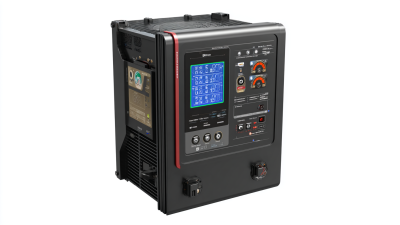
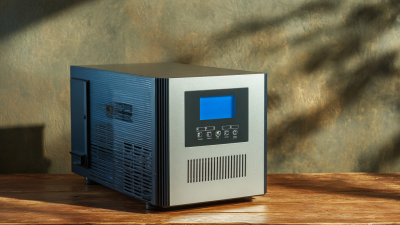
So, when you're choosing a Power Inverter, it’s kind of like navigating a pretty complicated maze. These devices basically serve as a bridge, helping different power standards and applications get along. Getting a good grip on how they work and what to look for can really help you make smarter choices—things that actually make your setup more efficient and reliable.
Now, for suppliers out there, reliability should be the top priority. Not all brands are created equal, you know? Some might boast about high performance, but when you actually put them to the test in real-world situations, they might fall short. Doing a bit of research or checking out customer reviews can give you a pretty good idea of what you're really getting—much better than just going by the hype.
And honestly, the market’s changing super fast. Tech keeps evolving, sometimes way faster than companies can keep up with. So, staying on top of the latest trends and innovations isn’t just a good idea—it’s kinda essential. The features you want today might be outdated tomorrow, so it’s smart to pick a Power Inverter that not only fits your current needs but also has the potential to handle future upgrades. And hey, looking back at your past purchases can teach you a lot about what worked and what didn’t, leading to better decisions next time around.
Understanding Power Inverters: Types and Functions
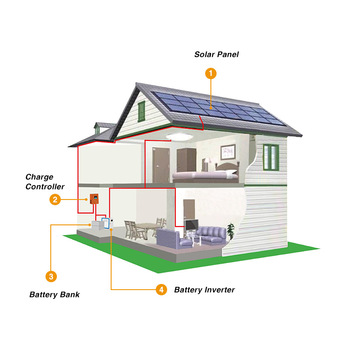
Power inverters are vital components for converting DC power into usable AC power. They play a crucial role in various applications, from renewable energy systems to backup power supplies. Understanding the types and functions of power inverters helps global suppliers make informed purchasing decisions.
There are primarily three types of power inverters: pure sine wave, modified sine wave, and square wave. Pure Sine Wave Inverters deliver clean and stable power, making them suitable for sensitive devices like medical equipment. According to a recent industry report, about 65% of solar power users prefer pure sine wave inverters due to their efficiency and reliability. Modified sine wave inverters, while less costly, can affect the performance of certain electronic devices, leading to potential dissatisfaction among users.
Varying inverter sizes and capacities are available to meet different power needs. Suppliers must consider wattage requirements for specific applications. Power ratings vary from a few hundred watts to several kilowatts. A study revealed that incorrect sizing is a common mistake, with 40% of users overestimating their needs. This can lead to wasted resources and inefficient operation. Inverter Efficiency typically ranges from 85% to 95%, impacting overall system performance. Understanding these details helps suppliers select products that align with market demands and user expectations.
Key Specifications to Evaluate When Buying Power Inverters
When evaluating power inverters for global supply, key specifications play a crucial role. Understanding voltage output is essential. For instance, many applications require a specific output voltage, typically 120V or 240V. Miscalculating this can lead to insufficient power supply, impacting performance. Experts recommend checking The Inverter's continuous and peak power ratings. According to industry reports, a mismatch between rated capacity and actual consumption can cause significant operational issues.
Efficiency is another critical specification to consider. Most high-quality power inverters operate between 85% to 95% efficiency. Unlike lesser models, which may waste energy, efficient inverters save on long-term costs. However, some products claim high efficiency but fall short during real-world use. Research shows that up to 30% of users experience this discrepancy. Additionally, thermal performance is vital.
Inverters generate heat during operation, and inadequate cooling can reduce lifespan. An inverter with superior thermal management will typically last longer, reducing replacement frequency.
Lastly, consider safety features. The global market demands compliance with safety standards. Features like overload protection and short-circuit prevention are necessary. A lack of these can result in dangerous situations, leading to downtime and potential injuries. In conclusion, selecting the right Ac Power Inverter requires careful evaluation of these specifications. Ignoring them may lead to costly mistakes down the line.
Factors Affecting Power Inverter Performance and Efficiency
When selecting a power inverter, understanding performance and efficiency is crucial. The efficiency ratings of power inverters often range from 80% to over 95%. A report by the Electric Power Research Institute indicates that even a slight efficiency improvement can save the end user significant costs over time. For instance, upgrading to a 95% efficient inverter from an 85% one can reduce energy losses, benefiting both the environment and the user's wallet.
Factors such as load conditions and temperature also affect inverter performance. Under high loads, a Dc Power Inverter may see diminished efficiency. That's because heat generation often increases, leading to energy losses. Research shows that operating at optimal temperatures can enhance inverter lifetime, yet not all suppliers prioritize this in their designs. Understanding these variables can guide global suppliers in choosing the right product for specific applications.
Moreover, the integration of smart technologies is becoming more prevalent. Advanced features like MPPT (Maximum Power Point Tracking) improve the efficiency of inverters in variable conditions. However, with added complexity comes the need for thorough testing and validation processes. Relying solely on manufacturer claims without independent verification could lead to choosing an inverter that underperforms. Therefore, critical evaluation of each product's specifications is essential for informed decision-making.
Importance of Brand Reputation and Reviews in Supplier Selection
When selecting a power inverter, brand reputation and customer reviews play a crucial role. Research indicates that 70% of consumers trust online reviews as much as personal recommendations. This statistic highlights the importance of checking the experiences of past users. A company’s history often reflects its reliability. Brands with consistent positive feedback are generally safer choices.
Feedback platforms often detail users' real-life experiences. For instance, those using Power Inverter Dc units often share insights about durability and performance. For suppliers, understanding these real-world experiences can lead to better purchasing decisions. Look for narratives that discuss real outcomes rather than just technical specifications.
Evaluating brand reputation is not merely about average ratings. A deeper dive into the reviews is essential. Analyze trends over time. Some brands may temporarily rise due to marketing but fail in the long run. Assessing company longevity alongside customer satisfaction can offer a clearer image. This reflection can guide better supplier selections and enhance product reliability in the global market. Always prioritize reviews that delve into specifics. Quality feedback often reveals connections between performance and brand integrity.
Cost Considerations: Budgeting for Power Inverter Purchases
When budgeting for power inverter purchases, it's essential to consider several key aspects. The global average cost for a power inverter ranges from $100 to $500, depending on its type and capacity. Factors that drive prices include inverter technology and output wattage. For instance, a Pure Sine Wave Power Inverter generally costs more than a modified sine wave inverter due to its efficiency and cleaner output.
Recent industry reports highlight that the demand for power inverters is rising, with an expected growth rate of 6.5% annually. This trend pushes prices upward. However, spending less upfront can lead to higher long-term costs. Cheaper inverters might lack efficiency, leading to decreased performance. The right balance between cost and quality is vital. Buyers should also factor in installation and maintenance costs.
Additionally, monitoring market fluctuations can aid in making informed decisions. Regulations may influence pricing, especially in different regions. It’s important to remain adaptable and reevaluate choices regularly. Investing in a high-quality, reliable model will often yield better results than opting for the cheapest solution available. Ensuring that the selected Pure Sine Wave Power Inverter meets specific energy needs can save money in the long run, even if the initial investment is more significant.
Power Inverter Buying Tips for Global Suppliers to Consider - Cost Considerations: Budgeting for Power Inverter Purchases
| Dimension | Details | Estimated Cost ($) |
| Wattage Requirement | Calculate the total wattage of devices to be powered | 200 - 2000 |
| Efficiency Rating | Choose inverters with higher efficiency ratings (e.g., >85%) | 100 - 500 |
| Quality and Durability | Consider materials and build quality for longevity | 150 - 700 |
| Features | Look for features like surge protection and USB ports | 50 - 300 |
| Warranty | Consider length and terms of warranty offered | 10 - 100 |
| Shipping Costs | Factor in shipping costs to deliver inverters to your location | 50 - 200 |
| Import Duties | Account for any applicable import taxes or duties | 100 - 500 |
| Total Estimated Cost | Sum of all cost factors for budgeting decision | 760 - 4000 |
Regulatory Compliance and Certifications for Global Suppliers
When selecting power inverters, global suppliers must prioritize regulatory compliance and certifications. According to a recent industry report, nearly 35% of suppliers face challenges due to non-compliance issues. This highlights the critical need for adherence to international standards, such as IEC and UL certifications. Compliance not only enhances product reliability but also builds trust with customers.
Regulatory requirements can differ greatly from one region to another. In Europe, for instance, CE marking is essential for entry into the market. In North America, certifications like CSA and ANSI are vital. Suppliers should invest in understanding these regulations to avoid potential pitfalls during the import and export process.
Consider working closely with third-party testing laboratories. They can offer insights into the latest compliance trends and help ensure products meet necessary standards. Regular audits of supply chain partners may also uncover areas needing improvement. Manufacturers should reflect on their processes to address gaps that could lead to compliance issues. Seeking out training and resources can empower teams to stay updated on regulatory changes, thus reducing risks.
Long-term Support and Warranty Options for Power Inverters
When considering power inverter options, long-term support and warranty are crucial factors. A robust warranty provides peace of mind. It signifies that the manufacturer stands behind their product. Look for warranties spanning at least five years. This shows confidence in durability and performance. Understand what the warranty covers and any conditions that may apply.
The quality of customer support can greatly affect your experience. Suppliers should offer reliable ways to reach them, including phone and email support. Check reviews about their responsiveness. A knowledgeable support team can help resolve issues quickly. This is vital when an inverter fails or has operational questions.
Choosing a long-term support plan often involves reflecting on your unique needs. Consider what additional services are available. Some suppliers offer maintenance packages. Others might provide troubleshooting guides or online resources. These services enhance the usability of power inverters. They can save time and costs down the road. Always ask about these options during your purchasing process.
FAQS
: Power inverters convert DC power into usable AC power for various applications.
The three types are pure sine wave, modified sine wave, and square wave.
They provide clean and stable power, ideal for sensitive devices like medical equipment.
They may affect performance of certain electronic devices, leading to user dissatisfaction.
Many users overestimate their needs, wasting resources and facing inefficiency.
Load conditions and temperature significantly influence inverter efficiency and operation.
Relying solely on manufacturer claims may lead to selecting underperforming products.
Compliance with international standards enhances reliability and builds customer trust.
They help ensure products meet regulatory standards and stay updated on compliance trends.
They may neglect to reflect on their processes, leading to potential compliance issues.
Conclusion
When considering a power inverter purchase, global suppliers must thoroughly understand the various types and functions available on the market. Key specifications such as wattage, efficiency ratings, and inverter type (pure sine wave vs. modified sine wave) play a critical role in ensuring the right choice for diverse applications. Additionally, factors affecting performance, such as heat dissipation and load management, must be considered to maximize efficiency.
Beyond technical specifications, the importance of brand reputation and customer reviews cannot be overstated in the supplier selection process. Budgeting for power inverter purchases requires careful cost analysis, alongside an awareness of regulatory compliance and necessary certifications to meet global standards. Finally, exploring long-term support and warranty options is essential to ensure reliability and service continuity, making informed decisions crucial for suppliers investing in power inverters.