- Home
- About Us
- Products
- Total Solution
- News
- Contact Us
Leave Your Message
-
- Phone
- E-mail
- WhATSapp
- Whatsapp

Hey there! You know, in this crazy fast-paced world we’re living in, the need for smart energy solutions is skyrocketing. When you're picking the right Power Inverter Dc AC, it really can make a big difference in how you use energy, whether it’s for your home or a business. Here at Wenzhou NOVA New Energy Co., Ltd., we totally get what you're looking for. We've made a name for ourselves as top players in the solar new energy and smart home market. We're proud to have three branches and a super cool manufacturing facility that spans 120,000 square meters! With a team of over 150 skilled folks, we’re committed to crafting top-notch energy solutions just for you. This guide is designed to help you cut through the confusion when it comes to selecting the best Power Inverter DC AC to meet your specific needs, so you can really maximize efficiency and sustainability in your energy use.
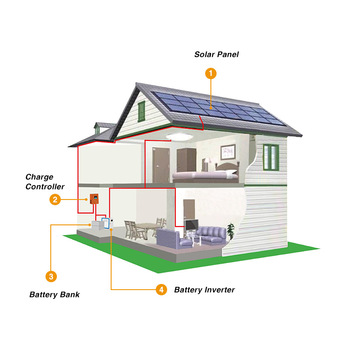
You know those DC to Ac Power Inverters? They’re pretty important! Basically, they take direct current (DC) and turn it into alternating current (AC), which is exactly what most of our household appliances and electronics use. So, if you want to power up your blender or your computer, these inverters do the trick! They really help us tap into various power sources like batteries, solar panels, and even fuel cells, making it easier to bring renewable energy into our everyday lives.
At a basic level, these inverters work by using a series of electronic circuits that flick on and off the DC input at a certain frequency. This creates an AC output that looks a lot like that nice, steady waveform you get from the electric grid. You’ll find inverters in all sizes and shapes, from tiny portable ones that are perfect for camping trips to larger models meant for home or industrial use. If you’re thinking about getting into renewable energy or just want a solid backup power option, it’s really helpful to understand how these devices work and the different types out there.
So, when you're on the lookout for a DC to AC power inverter, it's super important to think about a few key things that’ll really affect your choice. First up, you gotta check out the power needs of your gadgets. It’s all about calculating the total wattage you’ll need to make sure that the inverter can handle what you’re throwing at it. Just a heads up, the starting wattage for some appliances can be much higher than what they use when they're running—definitely something to keep in mind. This little calculation will help you find an inverter that runs smoothly without straining itself.
Then there’s the type of inverter you should go for. You mainly have two options: pure sine wave and modified sine wave inverters. Now, pure sine wave inverters are pretty great because they give off a nice smooth output, a lot like what you’d get from the grid, which is awesome for sensitive electronics like your laptop or medical gear. But if you’re looking to save some cash, modified sine wave inverters are a decent pick for basic devices, although they might not play nicely with more delicate equipment. So, taking the time to pick the right type based on what you actually need can really make a difference in how well everything works and how long your inverter and devices last.
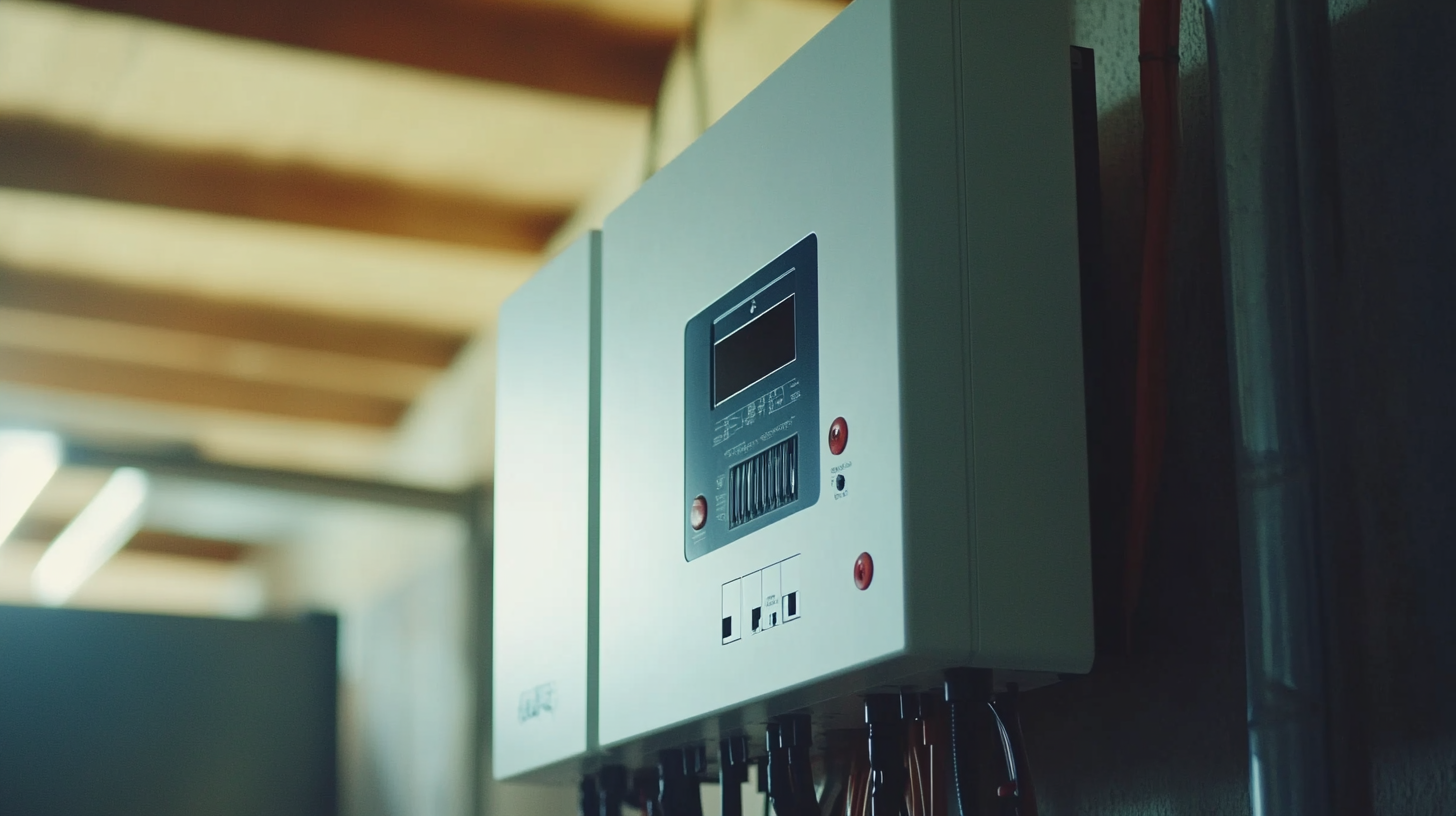
Choosing the right DC to AC power inverter can feel a bit overwhelming sometimes, but knowing the different types out there can really help narrow down your options. So, there are basically three main kinds: pure sine wave, modified sine wave, and square wave inverters. Each one has its ups and downs that you should definitely keep in mind.
Now, pure sine wave inverters are usually thought of as the gold standard. They create a smooth, consistent waveform that’s pretty much like what you’d get from the utility company—perfect for sensitive electronics and appliances. But yeah, they can be pricier. On the flip side, modified sine wave inverters are a bit easier on the wallet, but they might mess with some devices—especially things with motors or delicate components. And then you’ve got square wave inverters. They’re the cheapest option, but honestly, they’re only good for the simplest applications since they can lead to overheating and end up being pretty inefficient for a lot of appliances.
When you’re weighing these choices, think about what your devices really need and where you’ll be using the inverter. If you’ve got some high-demand electronics, pure sine wave might be the way to go. But for simpler devices, modified or square wave options could do the trick just fine. Knowing the pros and cons will arm you with the info you need to make a smart choice based on your power needs.
When you're picking out a DC to AC power inverter, getting the right size is super important if you want it to work well and efficiently. To kick things off, you'll want to figure out what your energy needs are. It’s a good idea to add up the total wattage of all the devices you want to power. Don’t forget to check both their starting and running wattage! Some appliances, like refrigerators and air conditioners, can really demand a lot more juice to start up, so you've got to keep that in mind. A handy tip is to throw in an extra 20-30% on top just to be safe and to handle those initial surges without a hitch.
Next, think about how long you’re going to be using it. If you're planning to run your inverter non-stop, it’s key to pick one that has enough capacity to handle your needs without overheating. For instance, if you've got some devices that need 1000 watts to run continuously, a 1500-watt inverter gives you that comfy cushion. And don’t forget about the number of devices you might want to run at the same time; peak demand can really swing. By taking a close look at your power needs, you can find an inverter that not only meets what you need right now but also gives you a bit of room for future gadgets.
| Inverter Type | Power Capacity (Watts) | Efficiency (%) | Peak Load Handling (Watts) | Input Voltage (V) | Weight (lbs) |
|---|---|---|---|---|---|
| Modified Sine Wave | 1000W | 85% | 2000W | 12V | 5.5 |
| Pure Sine Wave | 1200W | 90% | 2400W | 24V | 6.2 |
| High-Frequency | 1500W | 92% | 3000W | 48V | 7.0 |
| Low-Frequency | 2000W | 88% | 4000W | 12V | 9.8 |
When you're thinking about installing DC to AC power inverters, it's super important to keep optimal performance and safety right at the top of your mind. You really want to make sure everything's installed correctly – I mean, it’s estimated that if you don’t get the placement or connections just right, you could lose up to 20% of your inverter’s efficiency! That’s a big deal. A report from the National Renewable Energy Laboratory (NREL) even says that getting the installation spot on can boost energy output by about 10-15% throughout the lifespan of the inverter. Pretty neat, right?
But hey, we can’t ignore safety here. The U.S. Department of Energy really stresses the need to stick to electrical codes and guidelines tailored for inverter systems to avoid any nasty surprises like electrical shocks or even fires. It’s definitely worth it to go for well-known brands that meet industry standards, and don’t forget to gear up with the proper protective equipment when you’re installing these bad boys. That can really cut down on risks. Plus, adding monitoring systems is a great idea – it lets you keep an eye on how everything's performing in real time, so if something’s not right, you can tackle it quickly. This way, you're boosting both safety and efficiency in how your inverters run.
You know, DC to AC power inverters really play a vital role in our everyday lives, helping to power a ton of devices we usually just take for granted. One of the most common places you’ll find these inverters at work is in renewable energy systems, like solar panels. They take the direct current (DC) that solar cells generate and flip it into alternating current (AC). This means homeowners can actually make the most out of solar energy to run household gadgets, cut back on grid electricity, and save some cash on those energy bills!
And it doesn’t stop there! Many folks use DC to AC inverters for their mobile setups, especially if they’re into recreational vehicles (RVs) or boats. With these inverters, travelers can power up essential electronics like laptops, microwaves, or even their home entertainment systems while they’re on the road. It’s so nice to have that ability to convert battery-stored DC power into AC power, right? It adds that extra layer of comfort and convenience, making these inverters a must-have for modern outdoor adventures.
On top of all that, industries also rely on DC to AC inverters for a bunch of machinery and equipment. From factories to telecommunication systems, being able to run AC tools from DC sources really opens up a lot of operational flexibility. This is super helpful, especially in remote areas where getting access to the power grid can be a bit tricky. It lets businesses keep running smoothly without any hiccups.
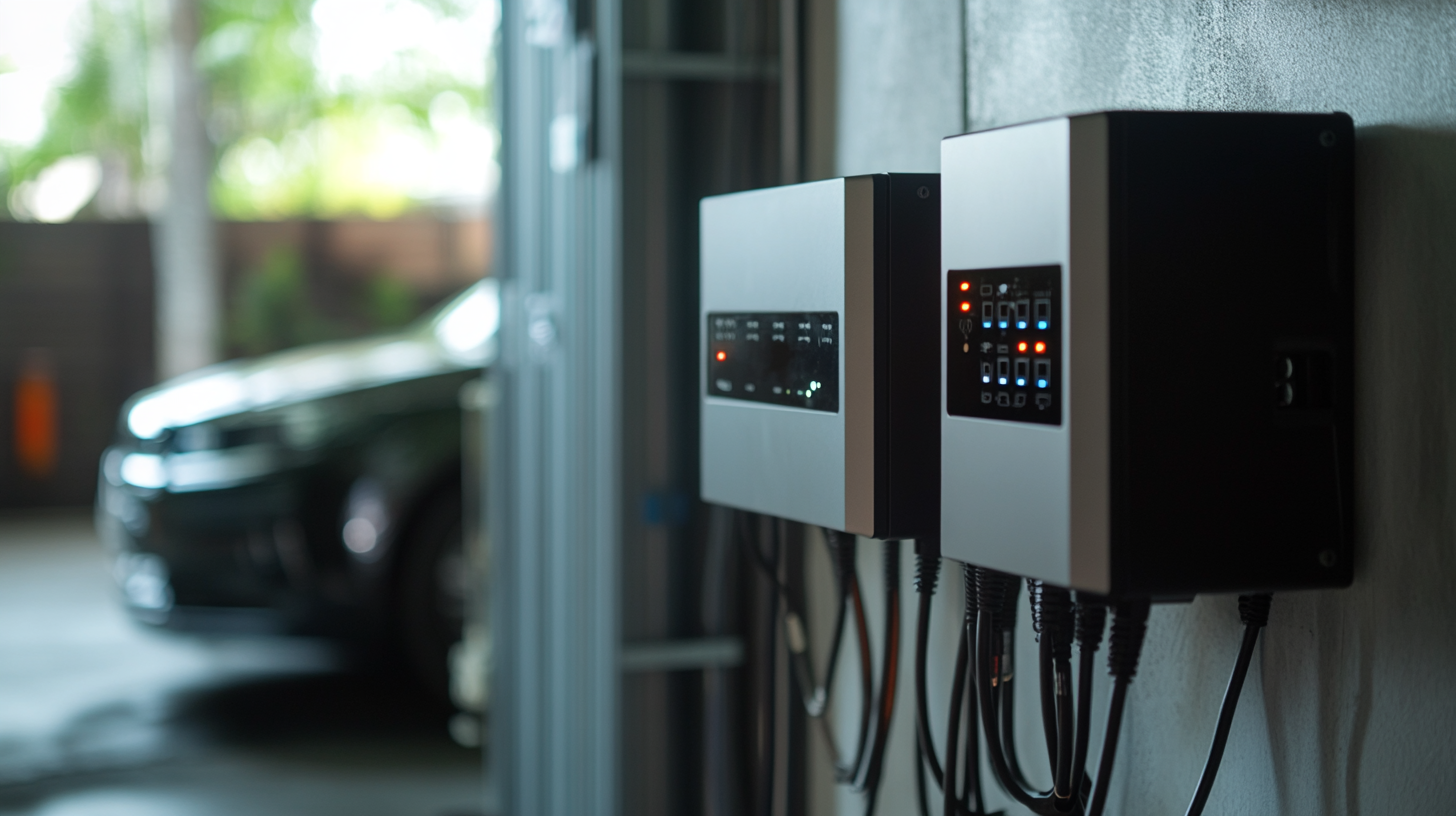
: Sizing your inverter correctly is crucial for optimal performance and efficiency. It ensures that the inverter can handle the wattage needs of your devices without overheating or being underutilized.
To calculate the total wattage, consider both the starting and running wattage of each device you plan to power. Appliances that require additional power to start, like refrigerators, should have this surge capacity added, typically 20-30% more.
If you plan to run your inverter continuously, choose one with sufficient capacity to handle your devices' demands without overheating. For instance, if your devices require 1000 watts continuously, opt for a 1500-watt inverter for a safe margin.
The number of devices you might use simultaneously can significantly impact peak demand. It's essential to consider this factor when choosing an inverter to ensure it can accommodate the total power needs at peak times.
Common applications include renewable energy systems, such as solar panels, mobile setups in RVs and boats, and in various industries to power machinery and equipment, especially in remote locations.
DC to AC inverters convert the direct current generated by solar panels into usable alternating current, allowing homeowners to power appliances with solar energy, reducing reliance on the grid and lowering energy costs.
Yes, you can use an inverter to power multiple devices simultaneously, but it's essential to consider the combined wattage to ensure the inverter's capacity meets your peak power needs.
When selecting an inverter, consider your current power needs and potential future expansion. Choose an inverter with a higher capacity than you currently require to allow for additional devices or increased wattage down the line.
Yes, there are inverters specifically designed for mobile setups like RVs and boats that ensure essential electronics can be powered efficiently, providing comfort and convenience while traveling.
Industries use DC to AC inverters for various machinery and tools, enabling operation in remote areas with limited access to the power grid, thereby maintaining productivity without interruptions.