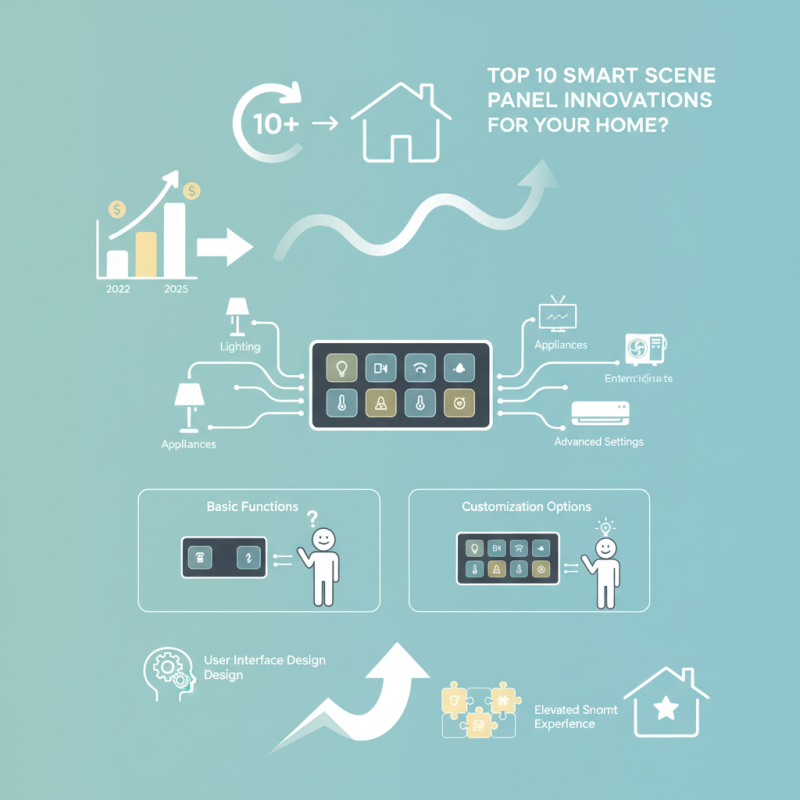
You know, Smart Scene Panels are really shaking up how we think about home automation. I came across this report from MarketsandMarkets that says the Smart Home market is expected to jump from about $80 billion in 2022 all the way up to nearly $135 billion by 2025. Honestly, that’s a huge leap, and it kinda shows how much people are craving new tech like these panels. They’re so handy — with just one tap, you can set the perfect mood or switch up your lighting and appliances, making life a little easier and saving some energy along the way.
These panels work smoothly with gadgets like the Zigbee Scene Switch, giving you flexible control over your home. But here’s the thing — a lot of folks don’t really dig into all the fancy features. Instead, they use just the basics and miss out on all those cool advanced options. It kind of points to a gap — people need better guidance on how to get the most out of these devices. Brands like Philips Hue and Lutron have made some good progress, but honestly, some users still feel a bit overwhelmed by all the choices.
Looking ahead, improvements could really come from making these panels more user-friendly and customizable. People want something that fits their unique lifestyles, not just a one-size-fits-all setup. The key is designing panels that aren’t just functional but also super intuitive to use. If companies listen to what customers truly need and want, they’ll have a better shot at leading the pack in this competitive market. When those gaps are filled, the whole smart home experience can be taken up a notch — more personal, easier to use, and just more enjoyable.
Smart scene panels are revolutionizing home automation today. These devices offer seamless control over various home elements, enhancing convenience and efficiency. According to a report by MarketsandMarkets, the global smart home market is projected to reach $173 billion by 2025. This growth reflects an increasing interest in innovative solutions that make life easier.
A key highlight is the integration of ZigBee Gateway Built-in Scene Control. This feature allows users to manage lighting, temperature, and security with a single touch. Such panels enable customized settings, creating the desired atmosphere for any occasion. Reports indicate that homes equipped with smart controls can achieve energy savings of up to 30%. However, the complexity of setup can deter some users.
Moreover, the learning curve for maximizing these panels can be steep. Many consumers struggle to adapt their usage patterns to fully harness the potential of these advanced features. Research shows that 25% of smart device owners feel overwhelmed by their technology. This suggests a need for better educational resources and user-friendly interfaces in the evolving landscape of smart scene panels.
Smart scene panels have revolutionized home automation. These devices offer convenience and efficiency while enhancing user experience. Recent studies show that 45% of homeowners are now using smart panels, driven by the increasing demand for remote control features.
Key features of innovative smart scene panels include customizable settings and seamless integration with various devices. These panels often allow users to control lighting, temperature, and even curtains via voice commands or mobile apps. For example, WiFi RF433 Smart Touch Panel Curtains Roller Blinds can be programmed to adjust automatically based on time of day or user preferences. Data from industry experts indicate that such automation can reduce energy consumption by up to 30%.
Another notable feature is their user-friendly interface. Many panels incorporate touch controls that are intuitive, making them accessible for all age groups. However, some users find the initial setup complex. The need for a stable internet connection can also be a barrier. Despite these challenges, the convenience of managing multiple functions from one panel often outweighs the drawbacks. As technology advances, future models are expected to focus heavily on improving reliability and user experience even further.
The smart scene panel market is evolving rapidly. Innovative brands are redefining how we manage our home environments. These panels serve as the central control system for lighting, temperature, and security. Their user-friendly interfaces make home automation accessible to everyone.
Many companies are leading the way with unique features. Some panels can adapt to your routine and preferences. They learn from your habits and suggest optimal settings. Other brands focus on sleek design, emphasizing aesthetics as much as functionality. The push for energy efficiency is another key trend. Brands are integrating advanced sensors that help reduce electricity usage.
While these technologies are promising, there are challenges. Not all panels are compatible with existing home systems. Some may require extensive setup. Users often find it hard to choose the right option. Each brand offers various functionalities, but not all meet expectations. The emerging market demands more clarity and guidance.
Smart scene panels are transforming home security. These devices, like the Smart US Multi-control Touch Screen Panel, integrate seamlessly into daily life. They enable homeowners to control various systems from one interface. Light settings, security alarms, and cameras can all be managed easily.
Imagine receiving a notification if your door is opened unexpectedly. This instant feedback is invaluable for enhancing your security. Smart scene panels can also create automation. For instance, you can set your lights to mimic occupancy when you're away. This reduces the likelihood of a break-in.
While these technologies improve safety, user experience can vary. Some panels may have a learning curve. It's essential to consider how reliable your internet connection is as well. If the system goes offline, security measures may fail. These panels are powerful tools, but continuous evaluation is key to maximizing their potential.
| Feature | Description | Benefit | Security Level |
|---|---|---|---|
| Remote Access | Control your home from anywhere using a mobile app. | Increased convenience and monitoring. | High |
| Voice Activation | Integrates with voice assistants for hands-free control. | Ease of use, especially for those with mobility issues. | Medium |
| Customization Options | Personalize settings for different scenarios and moods. | Enhanced user experience and flexibility. | Medium |
| Timer Functions | Program activities and routines to operate automatically. | Automation increases security when away from home. | High |
| Integrated Sensors | Detects motion, temperature, and other environmental factors. | Alerting homeowners of unusual activity. | Very High |
| Emergency Alerts | Notifies users of security breaches or emergencies. | Immediate response to threats. | Very High |
| Energy Management | Monitor and manage energy consumption. | Cost savings and eco-friendly practices. | Medium |
| Scenario Control | Set multiple devices to work together. | Simplified management of multiple systems. | High |
| Data Analytics | Analyzes usage patterns to optimize performance. | Informed decision-making regarding security measures. | Medium |
| User-Friendly Interface | Intuitive design for seamless navigation. | Accessibility for all age groups. | Low to Medium |
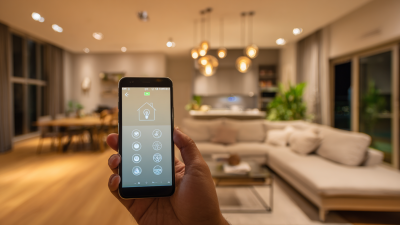
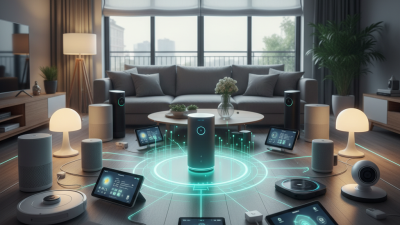
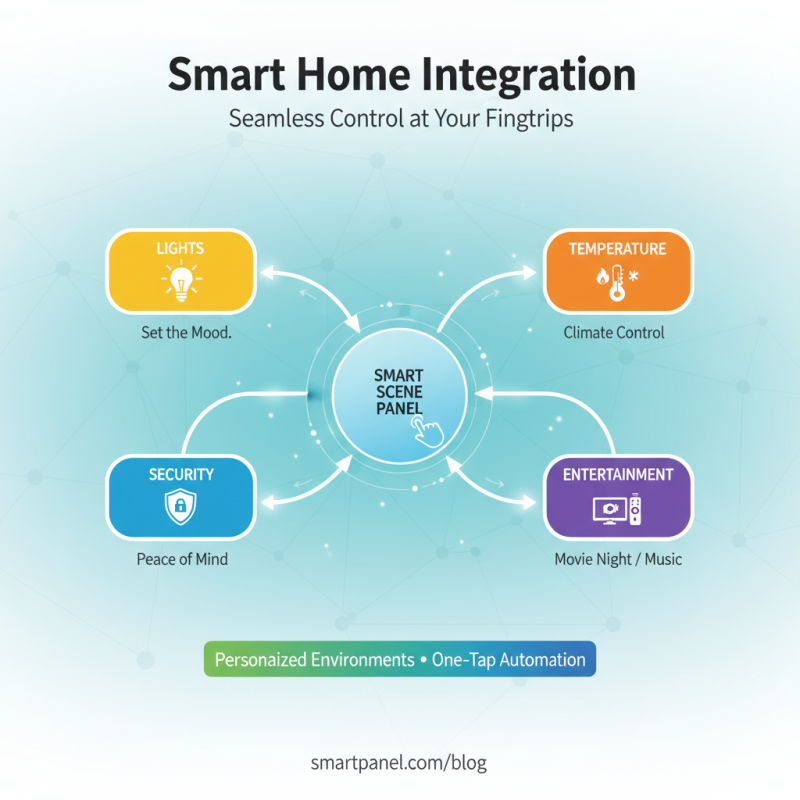
The integration of smart scene panels with other smart devices is a game changer in home automation. These panels act as a central hub, allowing seamless control of lights, temperature, and security systems. With just a tap, users can set the mood for a movie night or energize their morning routine. Smart panels connect effortlessly with various devices, creating personalized environments tailored to individual preferences.
However, the challenge lies in compatibility. Not all smart devices communicate well with each other. Users may find it frustrating when an expected feature does not work as intended. Regular software updates and maintenance are essential to keep all devices in sync. Also, the installation process can be tricky for some. It might require professional help to ensure everything functions smoothly.
Despite these glitches, the benefits are substantial. Homeowners can automate daily tasks and enhance energy efficiency. Smart scene panels not only add convenience but also improve overall quality of life. Embracing this technology can lead to a smarter, more intuitive home experience, even if it requires some trial and error along the way.
In the evolving world of smart home technology, modern smart scene panels stand out for their user-friendly interfaces. A recent market analysis indicated that 78% of consumers prioritize ease of use when selecting Smart Home Devices. This data emphasizes the need for intuitive design in smart scene panels, as users seek seamless integration into their daily lives. Touchscreens, voice control, and mobile app connectivity enhance accessibility for all ages.
Tips for a better user experience include customizing the panel layout. Choose icons that are easy to recognize. This enhances interaction efficiency. Keep the interface simple; too many options can overwhelm users. Each panel should ideally focus on core functions, such as lighting or temperature control.
Innovations like AI-driven automation are reshaping user experiences. These features adapt to user habits and preferences. Yet, some users report feeling frustrated by over-automation. It's crucial to find a balance. Remember that the goal is convenience, not complexity. Interface designs should encourage exploration without causing confusion. By prioritizing user-centric features, smart scene panels can truly elevate home automation efficiency.
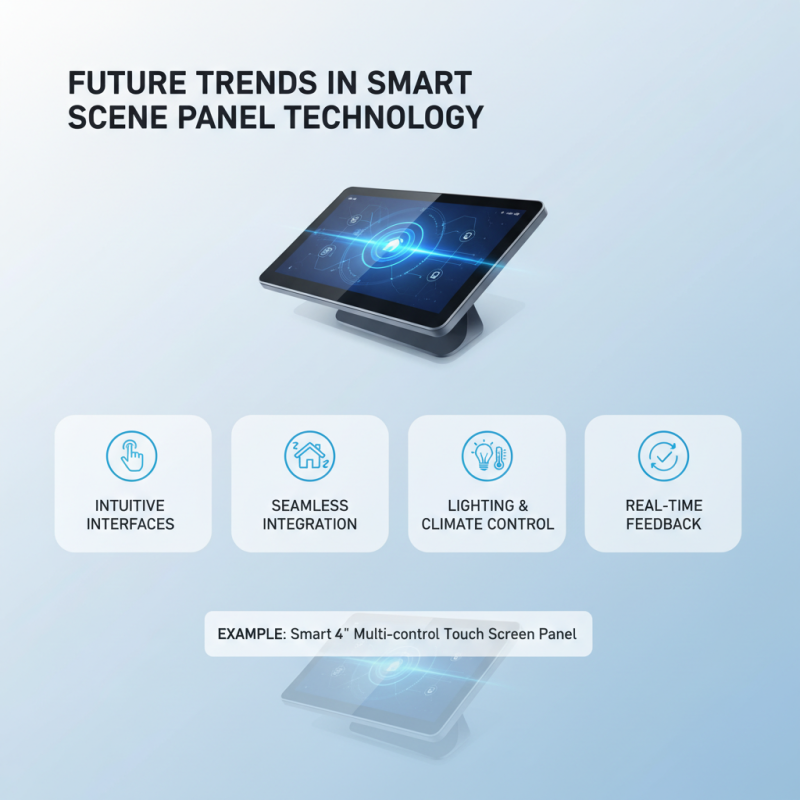
The evolution of smart scene panel technology is reshaping home automation. With advancements like the Smart 4'' Multi-control Touch Screen Panel, users can expect more intuitive interfaces. These panels integrate seamlessly into daily life, allowing control over lighting and climate. Real-time feedback enhances user experience, making smart home living more accessible.
Future trends show a move towards increased compatibility with various smart devices. Interconnectivity ensures that different systems can communicate effectively. This trend may enhance the overall functionality of homes, but it also raises questions about privacy and security. As people embrace these innovations, the need for reliable security protocols grows.
Sustainability is a key focus in new designs. Energy-efficient panels not only reduce consumption but also promote eco-friendly living. However, the technology must evolve to meet these expectations while remaining user-friendly. Consumers want smart panels that work without constant updates or technical issues. Balancing cutting-edge features with simplicity is a challenge for developers in this field.
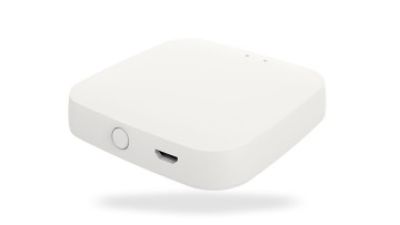
In the realm of home automation, the MOES Wireless Tuya Bluetooth MESH Gateway stands out as a robust solution, revolutionizing how we connect and control our smart devices. This gateway integrates a highly advanced wireless WiFi module alongside a low energy Bluetooth module, creating a powerful foundation for a cohesive smart home ecosystem. By leveraging the capabilities of Bluetooth MESH technology, users can easily manage multiple connected devices, enabling both single point and mesh group control through an intuitive application.
The versatility of the gateway extends beyond simple connectivity. With the support of the Tuya Smart App, users can effortlessly add devices, reset them when necessary, and even control third-party applications. This functionality not only enhances convenience but also provides a seamless experience in managing a variety of smart home devices. Whether it’s lighting, security systems, or temperature controls, the gateway acts as a vital bridge, ensuring that users can maintain a smart home environment tailored to their preferences.
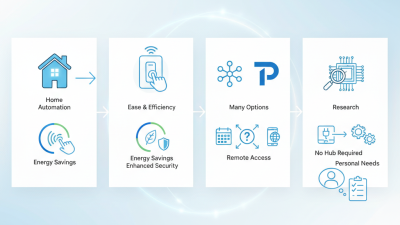
: Smart scene panels control home elements like lighting, temperature, and security. They enhance convenience and efficiency.
Reports indicate energy savings of up to 30% with effective smart control systems in a home.
Many users struggle with the complexity of setup and adapting their usage patterns to the technology.
About 25% of smart device owners find the learning curve steep, making it hard to maximize features.
Some panels adapt to user routines and suggest optimal settings based on habits and preferences.
Compatibility varies. Not all smart scene panels integrate seamlessly with current home systems.
Some brands emphasize sleek design, balancing aesthetics with functionality in their smart panels.
Users often struggle to select the right option due to various functionalities and differing expectations.
There is a need for clarity and guidance as consumers navigate many options in the emerging market.
Currently, there is a gap. More educational resources and user-friendly interfaces are needed for better adaptation.
Smart Scene Panels are revolutionizing home automation by providing an intuitive and user-friendly interface that enhances the overall smart home experience. These innovative devices allow users to control various household functions effortlessly, from lighting and temperature to security systems. Key features of Smart Scene Panels include customizable scenes, easy integration with other smart devices, and enhanced security options that can be tailored to individual lifestyles.
As the market for Smart Scene Panels grows, future trends indicate a focus on even smarter technology, improving connectivity and functionality. Homeowners can expect more seamless interactions between their Smart Scene Panels and other devices, ultimately creating a more cohesive and efficient smart home ecosystem. These advancements not only streamline daily tasks but also contribute to improved home security, making Smart Scene Panels an essential component of modern living.