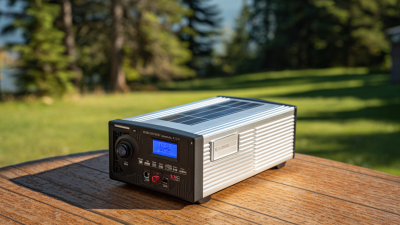
Picking out a reliable 12v Invertercan actually feel kinda overwhelming, right? With so many options out there, it’s easy to get lost in the details. Basically, a 12v Inverter isn’t just about flipping DC into AC power — it’s a key player whether you’re trying to power your gadgets on the road or integrate renewable energy setups at home.
When you’re comparing different models, don’t forget to look at stuff like efficiency, wattage, and how dependable they seem. It’s super important that The Inverter you pick actually matches your power needs. Brands like Renogy and Samlex are pretty well-known and trusted because they’ve been around for a while and have good reputations. But hey, don’t just go with the big names blindly — do some homework.
Take a peek at user reviews too. Hearing what real folks have experienced can give you a much better idea of how it performs day-to-day. Sometimes, products that sound perfect on paper can fall a bit flat when you actually use them. And don’t forget to check out the warranty details — they usually say a lot about how confident the manufacturer is in their product. An Inverter might seem great at first, but if it can’t handle consistent use, it’s not gonna do you any favors. So, do your research and pick something that’ll really work for you in the long run.
Understanding the Basics of 12V Inverters
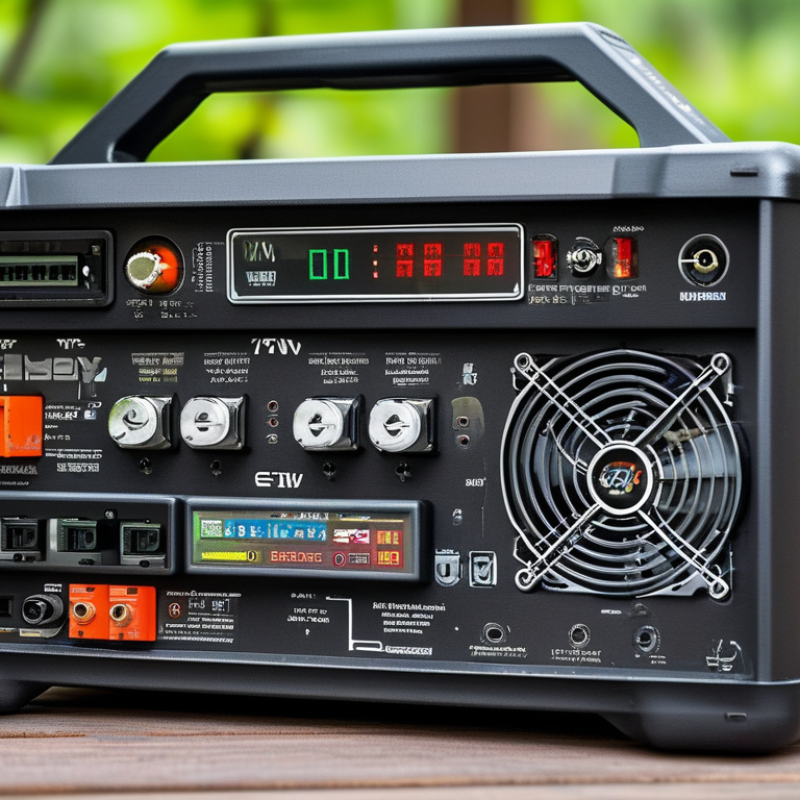
When it comes to 12V inverters, understanding their basic functions is critical. These devices convert DC power to AC power. This allows you to run household appliances in vehicles, boats, and during emergencies. A reliable inverter provides clean and stable voltage. It prevents damage to sensitive electronics.
One important aspect to consider is the inverter’s wattage rating. It determines how many devices can be powered simultaneously. Overloading an inverter can lead to failures or damage. Also, pay attention to the inverter's efficiency rating. Higher efficiency means more usable power and less wasted energy.
Lastly, look for safety features like overload protection and cooling fans. These features enhance reliability but can vary across models. A well-chosen inverter will last longer and better protect your equipment. Always read user experiences and reviews to make informed decisions. Reflecting on personal needs can also guide you in selecting the right 12V inverter.
Identifying Your Power Needs and Requirements
When selecting a reliable 12V inverter, understanding your power needs is crucial. The inverter you choose must match your energy requirements. According to industry reports, many users underestimate the wattage they need. For example, a typical laptop consumes around 50-100 watts. A 12V to 220V inverter should be capable of handling such loads.
Assessing your devices' power consumption is essential. This typically involves summing the wattage of all equipment. A common mistake is neglecting startup wattage. Appliances like refrigerators require up to three times their running wattage at startup. This means a 12V inverter must be rated to handle those spikes.
Consider your usage scenario. Will you use the inverter for camping or emergency power? Long-term use demands higher efficiency. Some reports suggest that some inverters may show a decline in performance over time. Reliability is also paramount; a survey found that 30% of users encountered issues within the first year when they chose inverters without verifying their specs. A trustworthy inverter will not only meet your current needs but adapt to future demands.
Evaluating Inverter Types: Modified vs. Pure Sine Wave
When selecting a reliable 12V inverter, the type of inverter can significantly impact performance. The two main types of inverters are modified sine wave and pure sine wave. Understanding their differences is crucial for your needs. Modified Sine Wave Inverters are simpler and less expensive. They work well for basic devices. However, they may not power sensitive electronics effectively. According to a report from the National Renewable Energy Laboratory, around 30% of all electronic devices on the market demand a pure sine wave for optimal performance.
Pure sine wave inverters, like a **1000w Inverter 12v**, provide a smooth, consistent electrical output. This makes them suitable for high-end appliances. They minimize the risk of overheating or damaging sensitive equipment, which can lead to costly repairs. Research from the Institute of Electrical and Electronics Engineers highlights that pure sine wave inverters can enhance appliance lifespan by 40%. This important detail cannot be overlooked when making your choice.
While pure sine wave inverters are advantageous, they are also more expensive. This is not always practical for everyone. It’s essential to balance budget constraints with the need for reliability. There’s no one-size-fits-all solution. Think carefully about your specific requirements and consider future applications.
Top 10 Tips for Choosing a Reliable 12V Inverter
Checking the Inverter's Efficiency and Load Capacity
When selecting a 12V inverter, evaluating its efficiency and load capacity is crucial. The inverter's efficiency determines how effectively it converts DC power into AC power. A reputable study by the National Renewable Energy Laboratory indicates that inverters can vary in efficiency from 80% to over 95%. Even small differences in efficiency can lead to significant energy loss, especially for high-demand systems.
Load capacity is another critical factor. It defines the maximum power output the inverter can deliver. Underestimating your needs can lead to overloading, which risks damaging the inverter. According to industry reports, many users recommend adding a 20% buffer above the expected load. This extra capacity accommodates surges in power demand, ensuring the inverter operates within safe limits.
In addition, consider the inverter’s peak load capability. This specification measures the maximum load during short bursts, often necessary for appliances with high start-up currents. Some models may not support this additional capacity, leading to inadequate performance. Users often overlook these details, which can result in system inefficiencies or failures.
Prioritizing the right efficiency and load capacity can make a significant difference in the long-term reliability of your power system.
Prioritizing Safety Features and Certifications
When selecting a 12V inverter, safety features and certifications must be prioritized. A quality inverter guarantees protection for both your devices and yourself. Look for certifications like UL or CE, which indicate that the inverter meets strict safety standards. These certifications offer peace of mind, ensuring the product has undergone rigorous testing.
In addition to certifications, consider the built-in safety features. Overload protection is crucial; it prevents device damage from excessive current. Short-circuit protection is equally important, as it can safeguard against dangerous electrical faults. When using a Car Inverter 12v 220v, ensure the model has a reliable fuse mechanism. This aspect greatly reduces fire risks.
Inspecting the cooling system of an inverter is also essential. High-quality inverters have effective cooling mechanisms to prevent overheating during operation. An inverter with a poor cooling design may fail unexpectedly. If you're ever in doubt about an inverter's reliability, consult with professionals or refer to comprehensive reviews. This extra step can reveal potential shortcomings in otherwise promising products.
Comparing Brands and Customer Reviews
When selecting a reliable 12V inverter, comparing brands can provide valuable insights. Customer reviews often highlight performance, build quality, and ease of use. A common theme in reviews is ongoing issues with overheating or failure under high loads. Look closely at the experiences shared by other users. They can guide you in avoiding potential pitfalls.
Pay attention to the satisfaction levels of customers. A product may have impressive specifications, but real-life usage tells a different story. Check for consistency in positive feedback across various platforms. Some inverters, like the 12v Pure Sine Wave Inverter, receive high marks for efficiency but may have limited warranties. Understanding these aspects can shape your decision.
Ensure you consider both positive and negative reviews. Some customers report issues that could indicate manufacturing flaws. This reflection illuminates the importance of extensive research. Looking beyond marketing claims shapes a more informed choice. It’s wise to analyze how brands respond to criticism, which reveals their commitment to customer satisfaction.
Understanding Warranty and Customer Support Options
When selecting a 12V inverter, warranty and customer support should not be overlooked. A good warranty signifies that the manufacturer stands by their product. Look for warranties that cover at least one year. In some cases, longer terms reflect better confidence in the inverter's durability. Check if the warranty includes parts and labor, as this can save you money in the long run.
Customer support is equally vital. Assess how easily you can reach support when issues arise. Some companies offer 24/7 assistance, while others restrict their hours. Read reviews to gauge customer experiences. Timely and helpful support can make a big difference, especially during critical situations. Also, consider support options such as chat, email, and phone support. More channels often mean greater accessibility.
Lastly, remember that while these factors are crucial, they may vary among manufacturers. Some may excel in warranty but lack responsive support. Weighing these factors can be challenging but essential for making an informed choice. Reflecting on your specific needs will help you choose wisely in the end.
Maximize Solar Efficiency: A Comprehensive Guide to the Bluetooth Smart MPPT Solar Charge Controller 40A 12V/24VDC
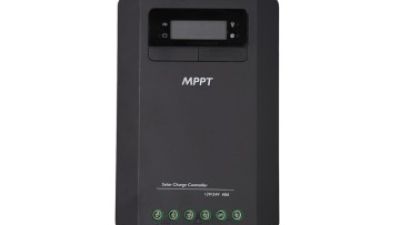
The advancement of solar technology has led to innovative solutions for maximizing solar energy efficiency. One such solution is the Bluetooth Smart MPPT Solar Charge Controller, which stands out for its ability to intelligently manage power from solar panels to batteries. With a capacity of 40A and compatibility with both 12V and 24VDC systems, this controller is designed to enhance energy conversion rates, ensuring you get the most out of your solar setup. The Maximum Power Point Tracking (MPPT) technology allows it to adjust the electrical operating point of the modules, optimizing energy harvest throughout the day, even in varying sunlight conditions.
In addition to its impressive technical features, the Bluetooth capability offers convenience and ease of use. Users can monitor real-time data and adjust settings directly from their smartphones, making it simpler than ever to manage solar energy production. This interface not only provides insights into battery status but also enables users to troubleshoot and fine-tune settings for optimal performance. As a result, incorporating a Bluetooth Smart MPPT Solar Charge Controller into your solar power system represents a smart investment for those looking to optimize efficiency and harness the full potential of solar energy. Whether for residential or off-grid applications, this technology ensures that you maintain control and maximize returns on your solar investments.
FAQS
: Assess the wattage of all devices you will use. Sum their power consumption for accuracy.
Many users underestimate the necessary wattage, especially at startup. This can lead to overloads.
Appliances, like refrigerators, may need up to three times their running wattage at startup. Choose accordingly.
Different scenarios, like camping or emergency situations, require varying efficiency levels from the inverter.
Some inverters may decline in performance. Regular use can reveal weaknesses not evident at first.
Reviews provide insights into performance and issues, such as overheating or failure under load.
Look for consistent patterns in feedback, including both strong praise and notable issues.
Research helps avoid potential pitfalls and ensures the product meets your specific needs effectively.
A brand's willingness to address issues reflects its commitment to customer satisfaction and product reliability.
Conclusion
Choosing a reliable 12V inverter requires a solid understanding of its fundamentals and your specific power needs. Begin by determining the wattage required for your devices, as this will guide your selection. It's essential to compare inverter types, particularly modified sine wave versus pure sine wave, to ensure compatibility with your electronics. Additionally, evaluating the inverter's efficiency and load capacity will help you avoid potential overloads and inefficiencies.
Safety features and certifications should be a top priority to ensure safe operation, while researching brands and customer reviews can provide insight into the reliability and user satisfaction of different models. Lastly, understanding warranty options and customer support services can offer peace of mind, making your investment in a reliable 12V inverter a secure one.