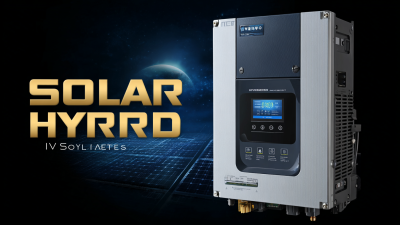
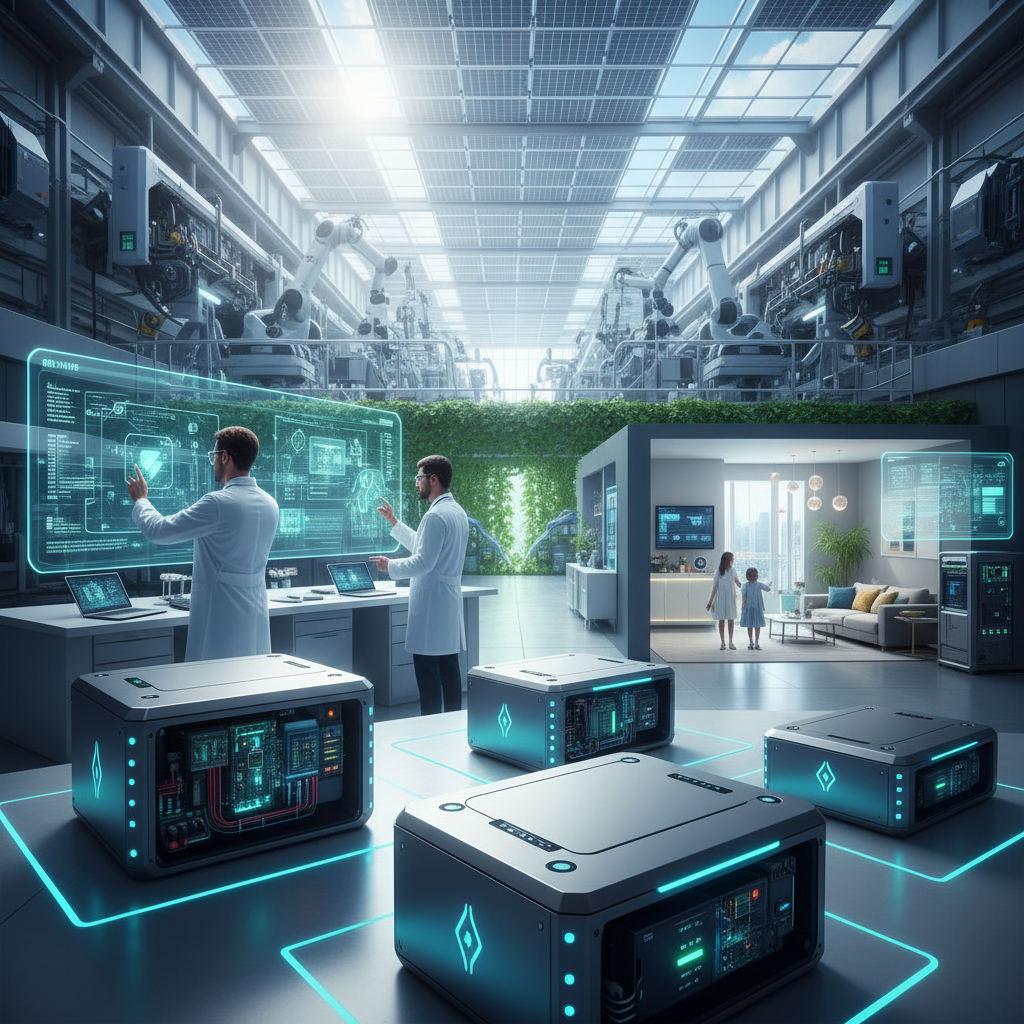
You know, in the constantly changing world of renewable energy, Electric Inverters are kind of the unsung heroes when it comes to turning solar power into usable electricity. Looking ahead to2025, it’s exciting to see how new innovations in inverter tech are set to change the game — not just making solar energy more efficient, but also making Smart Home tech more integrated into our everyday lives. AtWenzhou NOVA New Energy Co., Ltd., we’re right in the thick of this movement. We’ve got a modern, high-tech manufacturing plant spanning 120,000 square meters and a passionate team of over 150 talented folks working together. Our approach isn’t just about individual products — it’s about building a complete ecosystem that connects solar energy with smart home solutions seamlessly.
In this article, I want to share some of the coolest electric inverter innovations coming up soon. We’ll look at how these advances could boost energy efficiency, make things more reliable, and improve the overall user experience. By diving into the latest trends and tech, I hope we can all get a better sense of how electric inverters are going to be key players in our shift towards sustainability and wider adoption of renewable energy. And with Wenzhou NOVA fueling these advancements with a commitment to innovation and quality, I’m genuinely excited to share ideas and insights that can help both consumers and industry folks make the most of their energy setups.
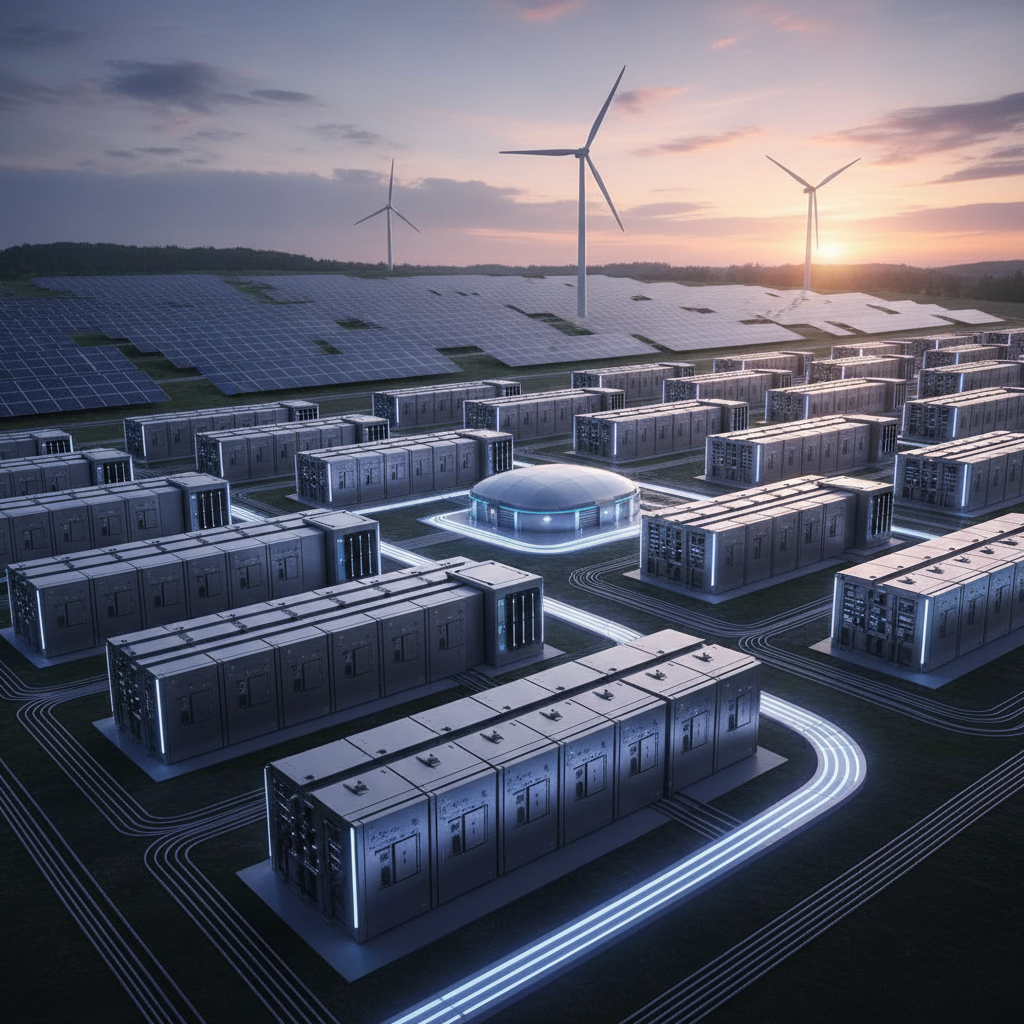
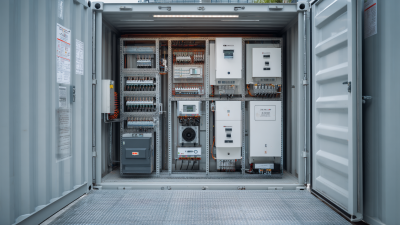
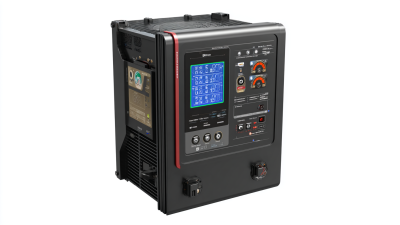
The future of energy storage is evolving rapidly, with groundbreaking designs in electric inverters playing a pivotal role in future-proofing our power systems. The recent introduction of advanced utility-scale battery energy storage systems, such as those featuring a remarkable total battery capacity of 8.1 MWh coupled with a powerful integrated inverter, showcases how technology is addressing the growing demands for efficient energy management. According to industry reports, the market for electric inverters is projected to reach $10.9 billion by 2025, driven by the need for improved energy efficiency and the rise of renewable energy sources.
Innovative inverter designs are now emphasizing higher performance and reliability while minimizing space requirements—key factors highlighted by the compact integration seen in new products recently launched. The evolution of inverters has progressed from mere power converters to sophisticated units capable of optimizing energy flow and enhancing overall system performance. As we move towards a more sustainable future, these breakthroughs in inverter technology will be critical in supporting the widespread implementation of battery energy storage solutions, ensuring that we can harness renewable energy effectively and economically for a reliable power grid.
The integration of artificial intelligence (AI)in electric Inverter Systems is reshaping the renewable energy landscape, offering unprecedented efficiency and intelligence. According to a report by theInternational Renewable Energy Agency (IRENA), incorporating AI technologies can enhance the operational efficiency of Solar Inverters by up to20%. This optimization is crucial as the global demand for energy continues to rise. AI algorithms analyze vast amounts of data in real-time, allowing inverter systems to adjust operational parameters dynamically, ensuring maximum energy extraction and grid compatibility.
Moreover, the application of machine learning in predictive maintenance is revolutionizing how inverter systems function. A study by the National Renewable Energy Laboratory (NREL) found that AI-driven predictive maintenance solutions could reduce downtime by 30% and lower maintenance costs by up to 25%. As inverter systems become more complex, AI provides the necessary insights to prevent failures before they occur, leading to a more reliable energy distribution network. The synergy of smart technologies and electric inverter systems signals a significant shift towards a more sustainable and efficient energy future.
The 2025 top electric inverter innovations are set to significantly reshape the landscape of sustainable energy solutions, particularly with the increasing integration of solar-compatible inverters. As the global battery storage inverter market is anticipated to grow from $8.45 billion in 2025 to an impressive $15.32 billion in the coming years, it highlights an opportunity for increased efficiency in renewable energy management. Hybrid-compatible grid-forming inverters are also essential in managing low inertia power systems, facilitating a smoother transition from traditional synchronous generators to renewable sources.
Tips: When considering solar-compatible inverters, look for options that offer integrated solutions for energy generation and battery storage. Opting for inverters with high efficiency ratings can lead to more significant energy savings in the long run, as seen with the latest models boasting up to 98.5% efficiency.
The evolving market dynamics indicate a robust demand for innovative inverter technology, particularly hybrid systems adept at handling varying solar conditions and applications across residential, commercial, and industrial contexts. Adapting to these advancements can enhance energy sustainability, making it crucial to stay informed about trends and new product launches in this rapidly developing sector.
| Innovation | Type | Efficiency (%) | Features | Compatibility |
|---|---|---|---|---|
| Smart Inverter Technology | Grid-Tied | 98.5% | Real-time monitoring, Remote access | Solar Panels, Batteries |
| Hybrid Inverter System | Hybrid | 97% | Battery storage integration, Off-grid capability | Solar Panels, Grid |
| Microinverters | Distributed | 96% | Module-level optimization, Enhanced energy yield | Solar Panels |
| String Inverters with Optimizers | String | 97.5% | Shadow tolerance, Simplified installation | Solar Panels |
| Digital Communication Inverters | Grid-Tied | 98% | AI-enabled performance analytics, User-friendly interface | Solar Panels, Smart Home Systems |
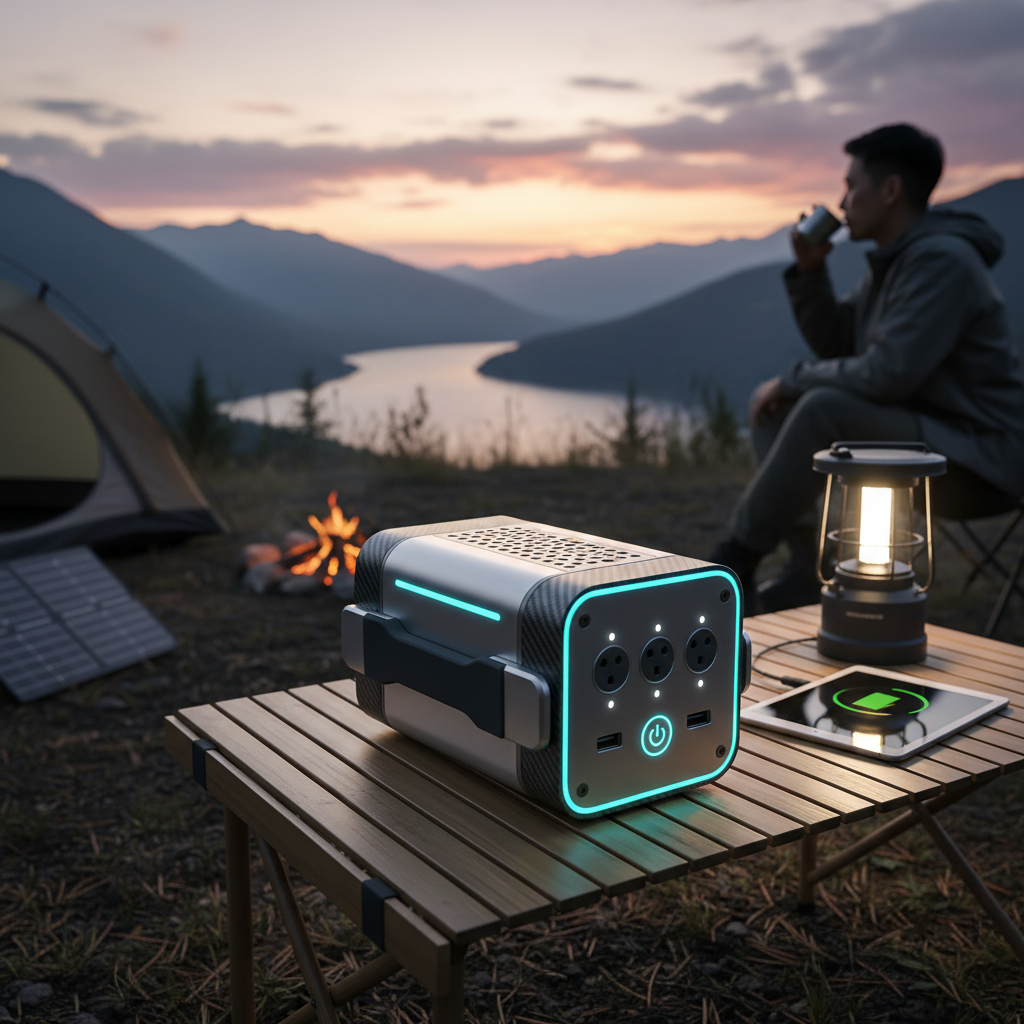
The trend towards compact and lightweight electric inverters has revolutionized the way we think about power solutions. Innovations in inverter design are making it easier than ever to transport them for various applications, from camping trips to emergency power supply during outages. Manufacturers are now incorporating high-density materials and advanced thermal management systems, which significantly reduce the size without compromising on performance. This allows users to enjoy the benefits of portability while still having access to reliable power.
**Tip:** When selecting a compact inverter, consider its weight-to-power ratio. A lightweight inverter with a high power output can make a big difference in mobility, especially if you plan to use it in different locations.
Another exciting development in inverter technology is the integration of smart features. Many modern inverters now offer Bluetooth or Wi-Fi connectivity, allowing users to monitor performance and make adjustments from their smartphones. This not only enhances user experience but also ensures efficient power usage in any situation.
**Tip:** Look for inverters with mobile apps or cloud connectivity options to keep track of your power consumption and prevent overloads while on the go.
As the landscape of electric inverters evolves, enhanced safety features are becoming paramount. Today's innovations focus on protecting both users and equipment through advanced designs. Manufacturers are integrating features such as automatic shut-off mechanisms, overcurrent protection, and surge suppressors to enhance safety. These developments not only minimize risks associated with electrical malfunctions but also extend the lifespan of the equipment.
When selecting an electric inverter, consider the following tips for enhanced safety: Firstly, look for models that are certified by recognized safety standards organizations, ensuring comprehensive testing and reliability. Secondly, opt for inverters with built-in protection features, such as short-circuit and overload protection, which can significantly reduce the risk of accidents. Finally, always ensure your setup adheres to recommended installation guidelines to maintain optimal operational safety.
The commitment to user safety is driving innovation in electric inverter designs. As technology advances, we can expect to see more robust features that not only enhance performance but also prioritize the well-being of users and the integrity of their electrical systems.
The next generation of inverter controls and monitoring systems is rapidly evolving, focusing on user-friendly interfaces that enhance both accessibility and functionality. Modern inverters are now designed with intuitive controls that allow users to monitor and manage their energy systems seamlessly. These advancements are not only aimed at simplifying the user experience but also at maximizing efficiency in energy production and usage.
Innovations in graphic displays and touch-sensitive controls are making it easier for consumers to understand their energy consumption patterns and adjust settings to meet their needs.
This drive toward enhanced usability is particularly critical as more households and businesses adopt renewable energy solutions. As inverter technology integrates with smart home systems and energy management platforms, users expect real-time feedback and control at their fingertips.
The development of these user-friendly interfaces is bridging the gap between complex energy systems and everyday users, empowering them to take charge of their energy consumption while contributing to a more sustainable future. The trend signifies a pivotal shift in how energy systems are monitored and controlled, making advanced technology accessible to everyone.
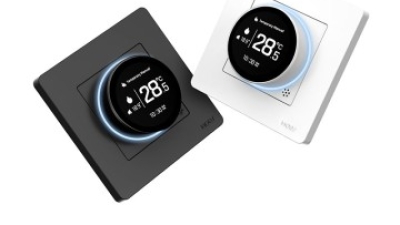
As global awareness of energy efficiency continues to grow, smart heating solutions like the MOES Tuya ZigBee Smart Knob have gained significant traction. Based on insights from the Global Smart Thermostat Market Report, it's clear that integrating advanced technology into home heating systems not only enhances comfort but also optimizes energy consumption. The MOES Smart Knob stands out by offering customized settings through its app, allowing users to tailor their heating modes to fit their specific needs.
The ZHT-SR-GA/GB/GC series exemplifies energy-saving innovation, promoting sustainability without sacrificing performance. By leveraging human-centered design principles, these smart knobs effectively help homeowners monitor and adjust energy usage. The ability to choose the most economical mode of heating not only translates to tangible savings on utility bills but also contributes to a greener environment. The integration of such smart solutions paves the way for a more efficient future in home heating, ultimately benefiting both the user and the planet.
I on electric inverter systems?
AI-driven predictive maintenance solutions can reduce downtime by 30% and lower maintenance costs by up to 25%, providing essential insights to prevent failures before they occur.
The 2025 top electric inverter innovations include solar-compatible inverters and hybrid-compatible grid-forming inverters, essential for managing low inertia power systems and facilitating the transition to renewable energy.
Opting for inverters with high efficiency ratings, such as models boasting up to 98.5% efficiency, can lead to significant energy savings in the long run.
Compact and lightweight inverters are easier to transport for various applications, such as camping or emergency power supply, while incorporating advanced materials and thermal management to maintain performance.
Modern inverters with Bluetooth or Wi-Fi connectivity allow users to monitor performance and make adjustments via smartphones, promoting efficient power usage.
Users should consider the weight-to-power ratio, as a lightweight inverter with high power output is beneficial for mobility across different locations.
Staying informed about trends and new product launches is crucial as the demand for innovative inverter technology, particularly hybrid systems, continues to grow in various energy applications.
The "2025 Top Electric Inverter Innovations You Need to Know" highlights groundbreaking advancements in electric inverters that are set to revolutionize the energy landscape. Key innovations include future-proof designs that optimize performance, the integration of AI for improved efficiency, and the growing trend of solar-compatible inverters that enhance sustainable energy solutions. Additionally, the focus on compact and lightweight inverters addresses portability needs, while new safety features ensure user protection. The development of user-friendly interfaces also enhances monitoring and control, making inverter systems more accessible to a wider audience.
Wenzhou NOVA New Energy Co., Ltd. is at the forefront of these innovations with a robust manufacturing base and a skilled team dedicated to advancing electric inverter technology. As the industry evolves, our commitment to quality and sustainability positions us to play a pivotal role in shaping the future of electric inverters and promoting smart home solutions across the nation.