As more folks jump into RV travel, picking the right inverter can make a big difference. Seriously, a good inverter isn’t just a gadget—it's like turning your RV into a cozy home on wheels. I remember talking to John Stevens, a pretty well-known RV tech guy, and he told me, "The right inverter can totally transform your camping experience." It’s pretty inspiring, right?
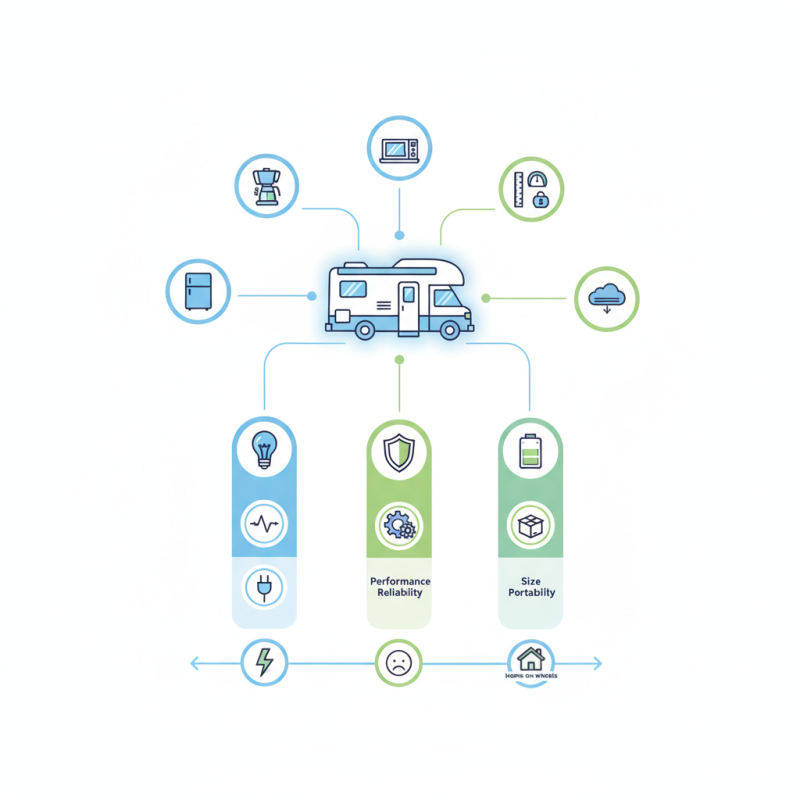
When you’re shopping around, think about the wattage you actually need. A quality inverter can power all your gadgets and appliances smoothly, so you’re not fighting over outlets or losing your fridge’s cool. Also, don’t forget to check out brands that are known to be reliable—your peace of mind depends on it. Oh, and a little tip—pay attention to the size and weight of The Inverter. If it’s too bulky or heavy, it might make installation more of a hassle or make your setup less portable.
One thing to remember, not all inverters are made equally. Sometimes a cheap one can cause power failures or just not cut it when you need it most. So, think about your power needs and how often you hit the road. Picking the wrong inverter could turn into a real headache during your trip. It’s worth taking the time to make an informed choice and consider the long-term benefits. After all, investing in a good inverter that suits your lifestyle can make your adventures way more enjoyable.
Understanding the Basics of RV Inverters
Rv Inverters transformDC power from batteries into AC power for appliances. This is crucial for life on the road. An Inverter allows you to power up devices like laptops, microwaves, and even televisions. It can make your travel more comfortable. However, choosing the right inverter is not always straightforward.
Consider the inverter's wattage. You need to match it with your power requirements. Some appliances draw more power than expected. This can lead to frustrations. A small inverter may fail during use. It’s also essential to look at efficiency ratings. Inefficient models can waste battery life and energy.
Installation poses another challenge. An Inverter needs proper wiring to function safely. Often, DIY installation is tempting. But mistakes can lead to hazards. Understanding how to size and install An inverter can prevent future issues. Many RV owners overlook these details. They focus only on what they want to power. Yet,aware decisions lead to smoother adventures.
Types of Inverters Suitable for RVs
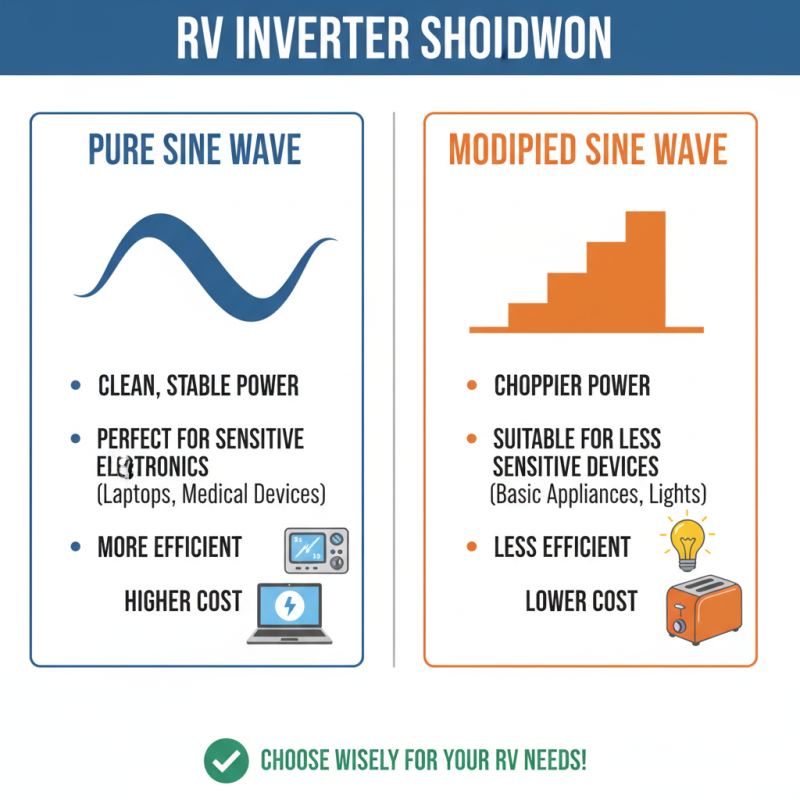
When choosing an inverter for your RV, it's crucial to understand the types available. There are primarily two categories: pure Sine Wave Inverters and modified sine wave inverters. Pure sine wave inverters produce a smooth, consistent electrical output. They work well for sensitive electronics, such as laptops and medical devices. These inverters are often more efficient. However, they tend to come with a higher price tag.
Modified sine wave inverters are more budget-friendly. They deliver a choppier waveform, suitable for basic appliances like lights and small fans. Yet, they might cause issues with sensitive devices. You may notice buzzing sounds or decreased performance. A Pv Inverter can vary in features, capacity, and efficiency. Factors like wattage requirements and runtime should be considered when selecting an inverter. Make sure to assess your needs carefully. A wrong choice could lead to frustration while on the road. Evaluating your RV's power consumption is key to making the right decision.
Key Features to Look for in an RV Inverter
When choosing an inverter for your RV, key features are essential. Output power matters. It determines what appliances you can run. A good inverter should handle your needs like refrigerators and microwaves. Look for models with at least 1000 watts for basic use.
Efficiency is another important point. Inverters waste less power when converting DC to AC. This means longer battery life and less frequent charging. Aim for inverters over 90% efficiency. Battery life becomes vital during long trips.
Tip: Consider pure sine wave inverters for sensitive electronics. They ensure smooth operation with less noise.
Another feature to check is the wattage surge capability. This is often overlooked. Appliances, like air conditioners, need extra power at startup. An inverter should handle these surges without issue.
Tip: Ensure your inverter comes with safety features. Overload protection and short-circuit prevention are crucial for safety.
Buying an inverter isn't just a transaction. Reflect on your RV power needs before purchasing. Assess your travel habits and appliance usage. It helps you choose wisely. Balancing power needs and budget can be tricky. But with the right information, you can make an informed decision.
Calculating Power Needs for Your RV Inverter
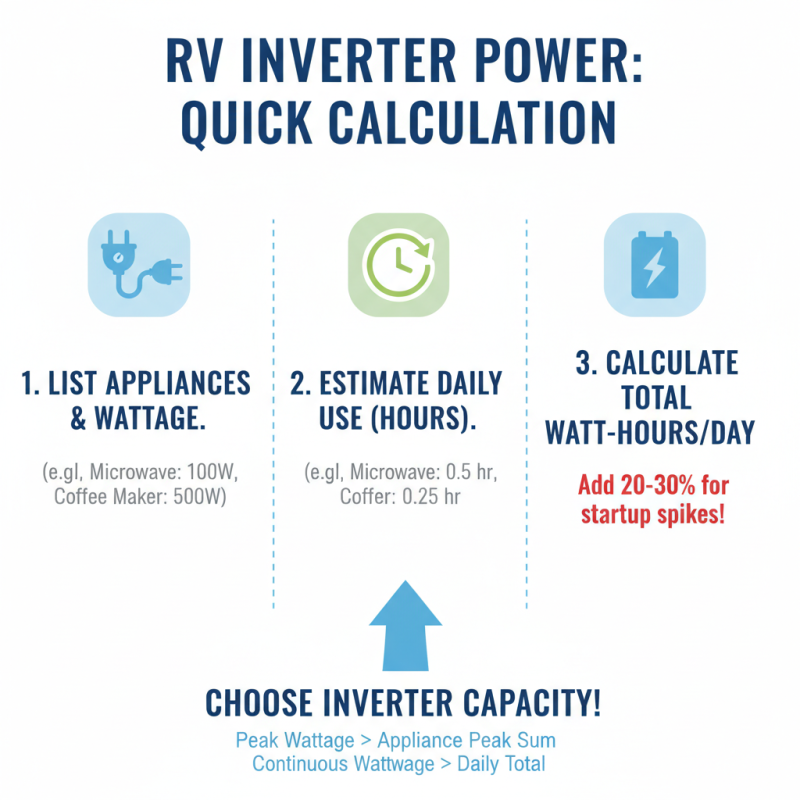
Calculating the power needs for your RV inverter can seem daunting. Start by listing all the appliances you plan to use. Consider their wattage and how long you'll use each one. Remember, peak power requirements can differ from running wattage. A refrigerator, for instance, may need more power at startup.
Tips: Use a watt meter to measure actual usage. It's a great way to know exactly what your appliances consume. If you're unsure about calculations, round up your estimated needs. It's better to have a little extra capacity than to fall short.
Don’t forget to include your essentials. Lights, chargers, and air conditioning all draw power. It can add up faster than you think. Mistakes happen, and it's okay; reevaluate your numbers if you notice discrepancies. Take it slow, and keep testing your assumptions. This ensures a smoother RV experience.
Top Brands of Inverters for RVs in the Market
When looking for the best Rv Inverter, it’s crucial to consider the top brands that dominate the market. These brands are known for their reliability and efficiency. Popular companies invest heavily in research and development to enhance power output and extend battery life. They aim to provide versatile solutions for various RV power needs.
Tip: Choose an inverter that matches your energy requirements. Calculate the total wattage of your devices. This step prevents overload and ensures smooth operation.
Another important factor is the type of inverter. Pure sine wave inverters are ideal for sensitive electronics. Modified sine wave inverters are usually cheaper but can damage some appliances. Make sure to research which type suits your RV setup.
Tip: Read user reviews to gauge real-world performance. Experiences vary, and firsthand accounts can highlight issues not covered in product descriptions. Avoid settling for the first option. Explore different models to find the best RV inverter for your specific needs.
Top 10 Inverter for RV - Performance Comparison
Comparative Review of the Best RV Inverters
Choosing the right inverter for your RV can be daunting. With so many options available, it’s important to focus on key features that suit your travel needs. Look for inverters with high efficiency ratings. This ensures that your appliances run smoothly without draining your battery too quickly.
When comparing inverters, consider the power output. You’ll need to assess how many devices you plan to run simultaneously. Some users overlook the importance of peak power ratings. This can affect the performance of high-draw appliances. Remember, every RV setup is unique, and what works for one may not work for another.
Tips: Always check compatibility with your RV’s electrical system. This can save you time and money in the long run. Don’t underestimate the weight and size of the inverter. It should fit your space and be easy to install. Lastly, read user reviews. Real-life experiences can highlight both strengths and weaknesses you might not have considered.
Installation Tips for Your RV Inverter
When installing The Inverter in your RV, consider the power needs of your appliances. For example, a residential refrigerator often requires about 1500 watts to run effectively. Make sure to calculate the total wattage needed and match it with The Inverter's output capacity to avoid overloading.
Remember that location is key. Place The Inverter in a well-ventilated area to prevent overheating. A study by the RV Industry Association found that improper ventilation is a common issue, leading to equipment failures. Ensure you have enough space around The Inverter for airflow. Ventilation will extend its lifespan and keep your setup safe.
Keep wiring issues in mind. Use quality gauge wires for your installation. Poor-quality wiring can lead to significant power loss and may even pose fire risks. Industry standards recommend using a wire gauge that suits The Inverter’s power output. You might face frustrations during installation, but paying attention to details can save you from potential hazards later.
Top 10 Inverters for RV You Need to Consider
| Inverter Model | Output Power (Watts) | Input Voltage (V) | Peak Power (Watts) | Weight (lbs) | Price ($) |
| Model A | 2000 | 12 | 4000 | 25 | 299 |
| Model B | 3000 | 12 | 6000 | 30 | 399 |
| Model C | 1500 | 12 | 3000 | 20 | 199 |
| Model D | 2500 | 12 | 5000 | 28 | 349 |
| Model E | 2000 | 24 | 4000 | 32 | 279 |
| Model F | 600 | 12 | 1200 | 15 | 119 |
| Model G | 1000 | 12 | 2000 | 20 | 150 |
| Model H | 3500 | 12 | 7000 | 35 | 499 |
| Model I | 5000 | 12 | 10000 | 45 | 649 |
| Model J | 4000 | 24 | 8000 | 40 | 579 |
Optimizing Your Off-Grid Experience: A Guide to 1000W and 2000W 12V Pure Sine Wave Inverters for RV Solar Systems
When venturing off-grid, having a reliable power supply is essential, and optimizing your solar system with the right inverter can make all the difference. A 1000W or 2000W pure sine wave inverter serves as the backbone of any RV solar system, effectively converting DC power from solar panels into usable AC power for your devices. These inverters not only provide clean and stable power that mimics the grid but also come packed with features that enhance the off-grid experience.
Modern multifunctional inverter/chargers are designed to integrate the capabilities of an inverter, solar charger, and battery charger in a compact form. According to the 2022 Global Off-Grid Solar Market Report, the rise of digital technologies has improved user control, with inverters featuring comprehensive LCD displays that allow for easy adjustments and monitoring. Users can configure settings for charging current, prioritize AC charging, and set acceptable input voltage levels, tailored to specific applications. Such functionalities ensure that users maintain efficient power management whether in a remote cabin, an RV, or a sustainable urban setting.
Moreover, many inverters now incorporate remote monitoring and control features, accompanied by fault alerts, significantly enhancing user experience. This technology allows for real-time oversight of power systems, enabling proactive maintenance and improved efficiency. As the market progresses, the integration of smart technology will continue to grow, aligning with the industry trend towards a more sustainable and autonomous energy future. With the right inverter, optimizing your off-grid experience not only becomes feasible but also more enjoyable, providing peace of mind as you explore the great outdoors.
FAQS
: The articles discuss various aspects of health and wellness.
Focus on whole foods like fruits, vegetables, and whole grains. Drink plenty of water daily.
Many skip warming up. This increases the risk of injury.
Sleep is crucial for recovery and mental clarity. Aim for 7-9 hours each night.
Yes, stress can lead to various health issues. It's essential to manage stress effectively.
Take stairs instead of elevators. Walk during breaks or do quick stretches.
Regularly assess your progress. Adjust plans if necessary for better results.
Yes, moderation is key. Enjoying treats can promote a healthy relationship with food.
Be cautious of drastic changes. Not every diet fits every person.
Set small, achievable goals. Celebrate your successes, no matter how small.
Conclusion
In the quest for the best inverter for RV use, it's essential to understand the basics of how these devices work. An inverter for RV serves as a crucial component that converts DC power from batteries into AC power, enabling the operation of standard household appliances. This article outlines the various types of inverters suitable for RVs, including pure sine wave and modified sine wave options, and emphasizes key features such as wattage capacity, efficiency, and safety mechanisms that should be prioritized when making a selection.
Additionally, calculating your RV's power needs is vital to ensure you choose an inverter that meets your energy demands effectively. The piece also highlights the importance of researching top brands in the market and offers comparative reviews of the best RV inverters available. Finally, it provides practical installation tips to ensure your inverter functions optimally within your RV setup. By considering these factors, RV owners can make informed decisions and enhance their mobile living experiences with the right inverter for RV.