As technology keeps evolving, Smart Home hubs are becoming more and more central to creating smooth, hassle-free home automation experiences. I mean, if you look at recent reports from MarketsandMarkets, they’re saying the global smart home market could hit a staggering $174 billion by 2025. And at the heart of all that growth? Yep, those smart home hubs. Experts in the field often talk about these hubs as the backbone of smart home setups — they make sure all your devices can talk to each other and work together without a mess.
Dr. Emily Grant, who’s pretty much a go-to analyst when it comes to smart tech, points out that choosing the right Smart Home Hub can really make a difference. She says, 'A good hub can seriously boost how well your connected devices work together, making your whole system more integrated and user-friendly.'
As more people are eager to transform their living spaces with smart gadgets, it’s more important than ever to really understand what's out there in terms of smart home hubs. So, in this article, I’m taking a look at the top ten smart home hubs of 2023 — breaking down their features, what devices they work with, and how happy other users are, to help you pick the perfect one for your smart home setup. With the right hub, you can unlock the full potential of your devices and turn your home into a more efficient, enjoyable place to be.
What is a Smart Home Hub and Its Importance in 2023?
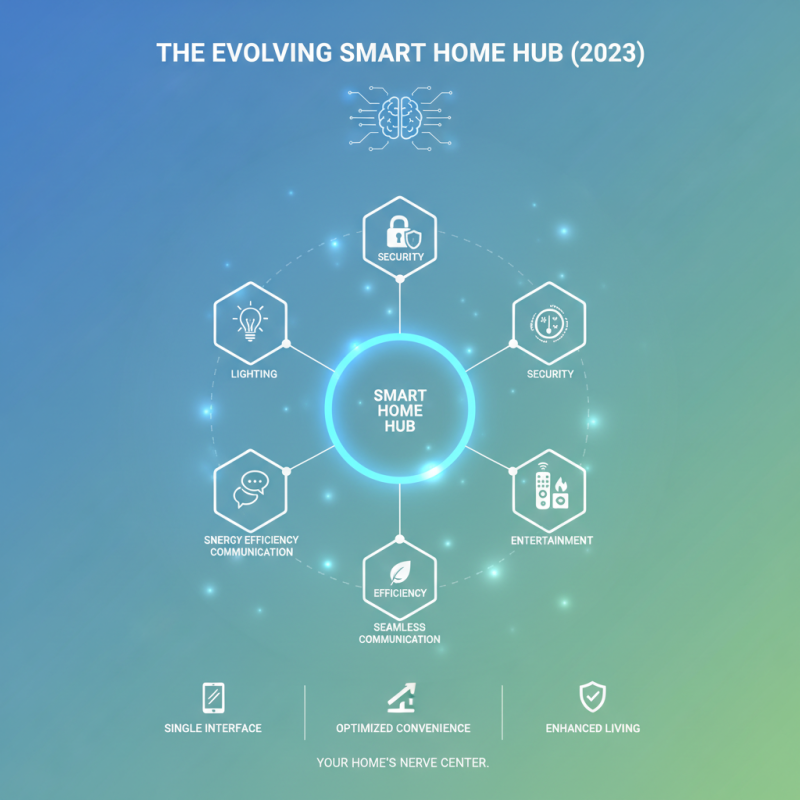
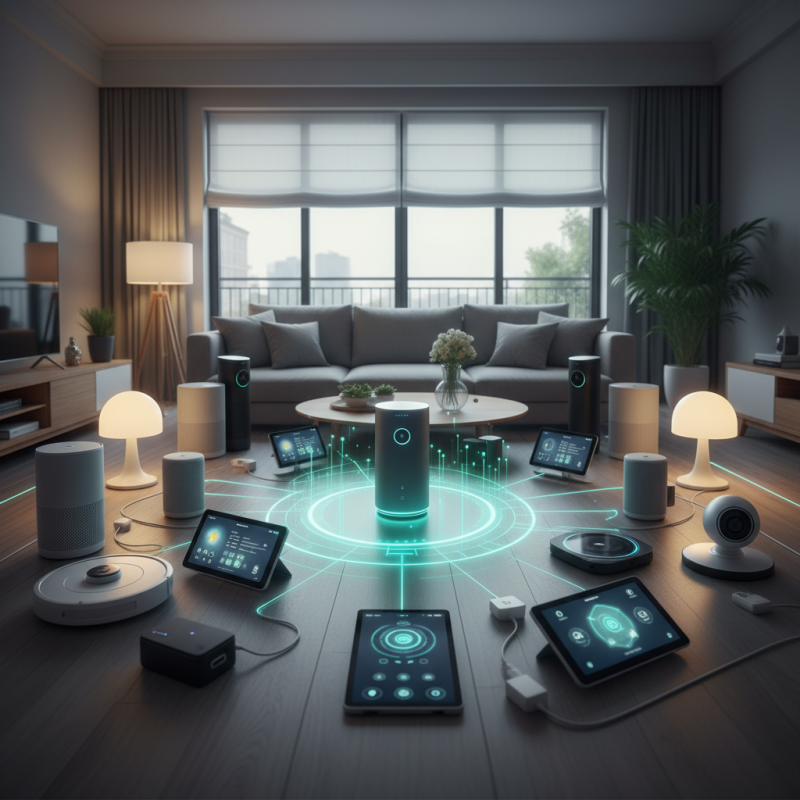
In 2023, the concept of a smart home is evolving rapidly, and at the center of this progression is the smart home hub. A smart home hub acts as the nerve center of connected devices, facilitating seamless communication between various smart gadgets and systems within your home. By centralizing control, these hubs allow users to manage everything from lighting and security systems to climate control and entertainment systems through a single interface. This integration not only enhances convenience but also optimizes energy efficiency and security, making it a crucial component of modern living.
Moreover, the importance of a smart home hub extends beyond mere convenience. As technology progresses, the interoperability of devices from different manufacturers becomes paramount. A smart home hub enables compatibility between a wide range of devices, ensuring they can work together harmoniously. Additionally, these hubs often come equipped with automation features, enabling users to set schedules, trigger scenes, and even respond to environmental changes automatically. This level of control and customization helps tailor the living environment to individual needs, making the smart home hub an essential device for anyone looking to enhance their quality of life in an increasingly automated world.
Key Features to Consider When Choosing a Smart Home Hub
When choosing a smart home hub, it's essential to consider several key features that can significantly enhance the functionality of your smart home ecosystem. One important factor is compatibility; a good hub should support a wide range of devices and protocols, such as Zigbee, Z-Wave, and Wi-Fi. According to a recent report by Statista, the global smart home market is projected to grow to approximately $174 billion by 2025, underscoring the importance of a hub that can evolve alongside emerging technologies and new devices.
Another critical feature to consider is user interface and ease of use. A smart home hub should provide a seamless experience, whether through a mobile app or voice commands. The Consumer Technology Association indicates that 70% of consumers prioritize ease of use when selecting Smart Home Devices, making intuitive interfaces and reliable smart assistants vital for user satisfaction.
Tip: Always check for software updates and community support for your chosen hub, as this can significantly affect your device's longevity and performance.
Security features cannot be overlooked, especially given the increasing concern over data privacy. A hub should offer strong encryption methods and regular security updates. Research from the Cybersecurity & Infrastructure Security Agency highlighted that nearly 70% of smart home users are worried about their privacy, demonstrating the need for robust security measures to protect personal data.
Tip: Consider setting up a separate network for your smart devices to minimize potential security risks and protect your personal information.
Top 10 Smart Home Hubs: Which One Is Right for You in 2023?
| Feature | Hub 1 | Hub 2 | Hub 3 | Hub 4 | Hub 5 | Hub 6 | Hub 7 | Hub 8 | Hub 9 | Hub 10 |
| Compatibility | Broad | Moderate | High | Broad | Moderate | High | Broad | High | Moderate | Low |
| Voice Control | Yes | No | Yes | Yes | No | Yes | Yes | No | Yes | No |
| Mobile App | User-friendly | Basic | Advanced | User-friendly | Basic | Advanced | User-friendly | Advanced | Basic | User-friendly |
| Price Range | $100-$150 | $50-$100 | $150-$200 | $100-$150 | $50-$100 | $150-$200 | $100-$150 | $200+ | $50-$100 | $100-$150 |
| Customization Options | High | Low | High | Moderate | Low | Moderate | High | Moderate | High | Low |
Comparison of Top 10 Smart Home Hubs Available in 2023
When comparing the top smart home hubs available in 2023, it's essential to evaluate them based on key features and capabilities that offer the best integration and user experience. These devices act as the central command center for your smart home, allowing various devices—from lights to thermostats—to communicate effortlessly. Factors such as compatibility with different protocols, ease of setup, and user interface play crucial roles in determining which hub will suit individual needs best.
Additionally, the versatility and scalability of a smart home hub are important considerations. Some hubs focus on providing robust automation features, enabling users to create complex routines and schedules. Others may prioritize voice control integration or expandability, allowing users to easily add new devices as they evolve their Smart Home Systems. Ultimately, understanding the specific functionalities each hub offers, such asconnectivity options and security features, will help guide consumers to the right choice for their lifestyle in 2023.
User Experience: Ease of Setup and Daily Use of Smart Home Hubs
When choosing a smart home hub, user experience plays a pivotal role in determining which device is right for you. A seamless setup process is crucial for both tech-savvy users and those new to smart home technology. Most modern hubs offer intuitive mobile apps that guide users through installation, often featuring simple steps like connecting to Wi-Fi and adding devices. This ease of setup allows users to quickly immerse themselves in their smart home experience without the frustration of complex configurations.
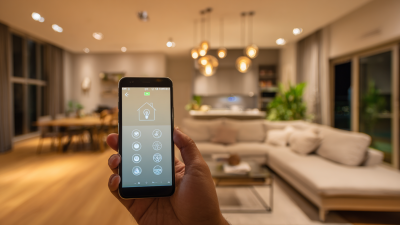
Daily use of a smart home hub should be straightforward and enjoyable. A well-designed user interface can significantly enhance how users interact with their connected devices. Look for hubs that consolidate control of multiple devices into one app, simplifying the process of managing everything from lighting to security systems. Additionally, responsive voice controls can improve convenience, allowing users to operate their devices hands-free.
Tips for a smoother experience include ensuring that your smart home hub is compatible with the devices you currently own or plan to purchase. Researching hub updates and features can also help you take full advantage of its capabilities. Lastly, consider the interface—choose a hub with an appealing layout that matches your preferences for a more satisfying daily use. By prioritizing ease of setup and a friendly user experience, you’ll find a smart home hub that perfectly fits your lifestyle.
Integration Capabilities with Other Smart Devices and Platforms
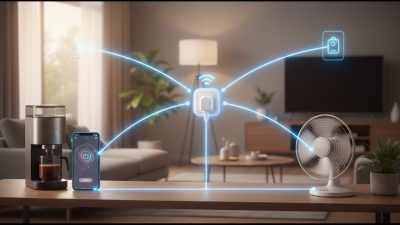
When selecting a smart home hub in 2023, integration capabilities with other smart devices and platforms are crucial factors to consider. A well-chosen hub should seamlessly connect various devices—from smart lights and thermostats to security cameras and voice assistants. This interoperability allows users to create a cohesive smart home environment that can be controlled through a single platform. Compatibility with multiple protocols, such as Zigbee, Z-Wave, or Wi-Fi, ensures that the hub can communicate with a broad range of devices, enhancing overall functionality and user experience.
Moreover, the ability to integrate with third-party services and platforms can significantly extend the capabilities of a smart home system. For instance, some hubs allow for integration with popular home automation services, enabling users to set routines and automation that trigger multiple devices simultaneously or based on specific conditions. This level of flexibility is essential in tailoring a smart home to individual preferences and lifestyles, making everyday tasks more efficient. Users should also consider hubs that support voice control and mobile app access, as these features can greatly improve ease of use and accessibility in managing smart devices from anywhere within the home.
Cost Analysis: Budget-Friendly vs. Premium Smart Home Hubs
When selecting a smart home hub in 2023, understanding the cost spectrum is crucial for consumers. Recent industry reports indicate that budget-friendly smart home hubs typically range from $30 to $100. These options often provide fundamental functionality, such as basic device integration and simple user interfaces, making them ideal for newcomers to smart home technology. However, while the initial investment is low, users may find themselves limited in terms of scalability and compatibility with advanced smart devices.
On the other hand, premium smart home hubs, which can cost anywhere from $150 to $300 or more, offer a wealth of features that justify their higher price tags. According to Statista, over 70% of smart home users prefer hubs that support a wide variety of protocols and advanced automation options, both of which are more prevalent in higher-end models. Premium hubs not only enhance connectivity across various devices but also provide robust security features, better user experience, and often include advanced AI capabilities for smart automation that can significantly streamline home management. This makes them a worthy consideration for tech-savvy users looking to create a more integrated and efficient home environment.
As consumers weigh their options, it is essential to consider not just the purchase price but the long-term value and potential costs associated with device compatibility and operational efficiency.
Future Trends in Smart Home Hubs and Emerging Technologies
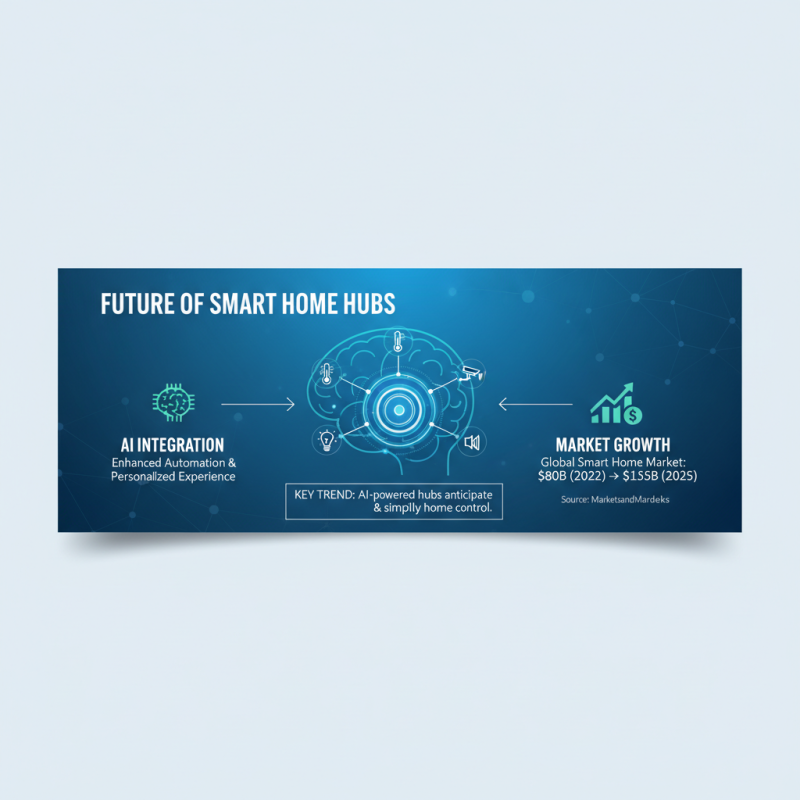
As smart home technology continues to evolve, the future of smart home hubs looks promising with several emerging trends set to reshape the landscape. One significant trend is the integration of artificial intelligence (AI) to enhance automation and user experience. According to a recent industry report by MarketsandMarkets, the global smart home market is projected to grow from $80 billion in 2022 to over $135 billion by 2025, driven by consumer demand for greater convenience and control over their home environment. Smart hubs equipped with AI can analyze user behavior, anticipate needs, and offer personalized solutions, paving the way for a more intuitive home experience.
Another emerging technology influencing smart home hubs is the advancement in interoperability standards. With the rise of various devices and protocols, consumers often face challenges in connecting their smart devices seamlessly. The Connectivity Standards Alliance (CSA) has made strides towards this by promoting standards like Matter, which aims to ensure compatibility across devices from different manufacturers. According to a 2023 report by ABI Research, 60% of smart home device owners express frustration over device incompatibility. As more hubs adopt these standards, we can expect an increase in user adoption and satisfaction, making smart home systems more accessible and efficient for all consumers.
Innovative Home Automation: Exploring the MOES ZigBee Smart Light Switches for Modern Living Spaces
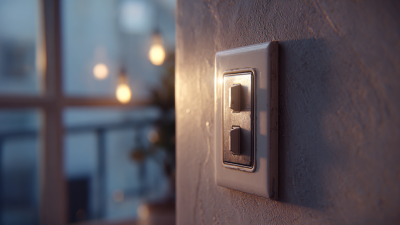
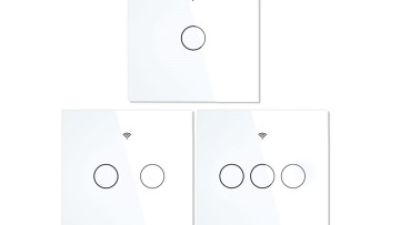
In today's rapidly evolving landscape of home automation, the integration of smart technology into our living spaces has become increasingly essential. One standout product in this domain is the MOES ZigBee Smart Light Switch, designed to enhance convenience and modernize your home. This sleek, crystal glass wall touch switch is available in various finishes, including white, black, and golden, allowing it to seamlessly blend with any interior decor.
The MOES smart switch offers both flexibility and functionality, catering to homes with or without a neutral wire. Its compatibility with Smart Life and Tuya platforms ensures that users can easily control their lighting through a mobile app or voice commands. Whether set up as a two-way or three-way switch, it offers an intuitive way to manage multiple lights, making it ideal for larger spaces or complicated layouts. This innovative solution not only simplifies the way we interact with our lighting but also contributes to energy efficiency and security within the home.
As households continue to embrace automation, products like the MOES ZigBee Smart Light Switch exemplify the shift toward smarter living. With features that enhance both usability and aesthetics, this switch stands out as a practical investment for contemporary lifestyles, making it easier than ever to create the perfect ambiance within any room.
FAQS
: A smart home hub acts as a central command center for your smart home, allowing various devices to communicate and work together efficiently.
Important features to consider include compatibility with different protocols, ease of setup, user interface, automation capabilities, voice control integration, and scalability for adding new devices.
Budget-friendly smart home hubs usually range from $30 to $100 and offer basic functionalities suitable for newcomers to smart home technology.
Premium smart home hubs, costing between $150 to $300 or more, provide extensive features such as advanced automation options, better connectivity, enhanced security, and often include AI capabilities for improved home management.
Users may prefer a premium hub for greater device compatibility, advanced automation features, and a more seamless user experience, which can provide long-term value and efficiency in managing a smart home.
Scalability is crucial as it allows users to easily add new devices to their smart home system as their needs evolve, ensuring the hub remains relevant and functional over time.
Yes, budget-friendly hubs may have limited scalability and compatibility with advanced smart devices, which can restrict users as they expand their smart home setup.
Security features are essential in smart home hubs as they help protect user data and ensure the safe operation of connected devices.
Long-term value can be evaluated by considering the hub's compatibility with devices, its operational efficiency, and the potential costs associated with adding and managing smart devices over time.
Consumers should focus on the specific functionalities each hub offers, including connectivity options, user experience, and how well the hub suits their lifestyle and smart home needs.
Conclusion
In 2023, a Smart Home Hub has become an essential component for transforming ordinary homes into smart environments. It acts as a central unit that connects and manages various smart devices, enhancing security, convenience, and energy efficiency. When choosing a Smart Home Hub, users should consider key features such as compatibility with existing devices, ease of setup, and integration capabilities with other platforms.
The comparison of the top 10 Smart Home Hubs reveals a variety of options tailored to different needs and budgets. Some hubs offer user-friendly experiences that simplify daily operations, while others excel in advanced functionalities. Cost analysis highlights a range of budget-friendly to premium models, ensuring that consumers can find a suitable hub that meets their requirements without overspending. Looking ahead, future trends indicate that emerging technologies will further enhance the capabilities and functionalities of Smart Home Hubs, making them even more integral to smart living.