In today’s busy world, having a Smart Home Security Camera isn’t just a fancy upgrade anymore — it’s pretty much a must-have. Let’s be real, homeowners are constantly worried about burglars, vandals, or any other kinds of intruders creeping around. The good news? Technology has come a long way, offering all sorts of smart cameras tailored to different needs. These gadgets not only shoot clear, high-quality video, but they also come packed with cool features like night vision and motion alerts that actually work.
There are plenty of trusted brands out there too. Names like Ring and Arlo tend to get top reviews for a reason—they’re reliable, easy to set up, and work well to beef up your home security. But, no joke, with so many options out there, picking the right one can feel a little overwhelming. A few key things to think about? Video quality, storage choices, and whether it plays nicely with other Smart Home Devices you already have.
And here’s a little tip — connecting your security system with other smart gadgets can seriously boost your home’s safety. Say, for example, a ZigBee Gas Leak Detector or a Flammable Gas Sensor – these can work smoothly with your alarm system, covering more ground. Plus, managing everything gets easier if you use apps like Tuya Smart Life or Alexa. Just remember, don’t only focus on the shiny features—the real test is how well these devices perform in the real world, and how reliable they actually are for your peace of mind. Taking the time to explore your options thoughtfully will definitely pay off in the end — making your home safer and easier to manage.
Top Features to Consider When Choosing a Smart Home Security Camera
When selecting a smart home security camera, several features should be prioritized. High-definition video quality is essential for capturing clear images. Look for cameras with at least 1080p resolution for better detail. Night vision capabilities also enhance security. This allows you to monitor activities even in low-light conditions.
Another important aspect is the camera’s connectivity options. A WIFI smart camera Built-in Solar Battery is ideal. This feature ensures continuous operation without frequent charging. Additionally, motion detection and alerts are crucial. They notify you instantly, enhancing your response time.
Consider cloud storage for recorded footage. Many cameras offer free basic plans or low-cost subscriptions. This is beneficial for accessing videos from anywhere. Finally, the device's compatibility with Smart Home Systems enhances usability. Checking for an intuitive app can make monitoring easier. Always remember to review user experiences, as they often highlight real-world performance.
The Importance of Resolution in Smart Home Security Cameras
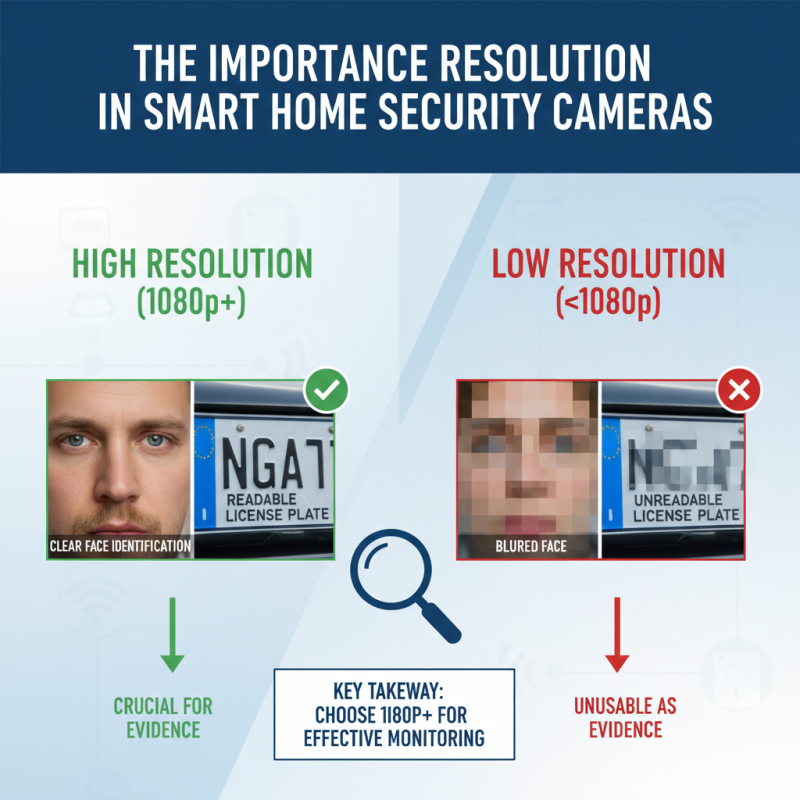
When selecting a smart home security camera, resolution plays a vital role. High resolution means clearer images. This detail can make a difference during important moments, like identifying a face or license plate. Low-resolution cameras often leave important features blurred, making it hard to use footage as evidence. Buyers should prioritize cameras with at least 1080p resolution for effective monitoring.
Moreover, consider how resolution impacts night vision. Many cameras struggle in low light. A good camera should provide clear footage after sunset. Look for features such as infrared capabilities, which enhance visibility in darkness. A reliable WiFi indoor smart camera can often handle these challenges, delivering better clarity regardless of the time of day.
However, it's essential to remember that high resolution does not guarantee quality. Other factors, such as frame rate and lens quality, also matter. A high-resolution image can still appear shaky or distorted if the camera has a poor frame rate. Evaluating the entire system is crucial for making an informed decision. There’s room for performance improvements, and it’s essential to acknowledge the need for ongoing updates and testing.
Comparative Analysis of Indoor vs. Outdoor Security Cameras
When considering smart home security, it’s crucial to differentiate between indoor and outdoor cameras. Indoor security cameras focus on enhancing the safety of personal spaces, such as living rooms and nurseries. These devices often feature high-definition video and audio capabilities. They are designed for close-range monitoring and can alert homeowners to unusual activities. Some models even provide two-way audio, allowing communication with family members or pets.
Outdoor security cameras face a different set of challenges. They need to withstand various weather conditions like rain, snow, and extreme temperatures. These cameras typically offer wider coverage and may include features like night vision or motion detection. Many come with advanced functionalities, such as automatic alerts and cloud storage options. However, the effectiveness of outdoor cameras hinges on their placement. Incorrect positioning can leave blind spots, rendering them less effective.
While both types serve essential roles, affordability and usability are key factors. Some might find indoor cameras easy to install but struggle with outdoor models due to wiring complexities. It's important to balance security needs with practicality. Ultimately, selecting the right cameras should reflect your specific situation and environment. Each household has unique requirements that should guide the decision-making process.
Top 10 Smart Home Security Cameras - Indoor vs. Outdoor Comparison
A Review of the Best Smart Home Security Cameras for Global Buyers
As homeowners become increasingly aware of security, smart home cameras are essential. These devices not only protect homes but also offer peace of mind. Buyers should consider several features when selecting a security camera. A reliable connection, ease of use, and high video quality are key factors. Many cameras now feature night vision and motion detection, enhancing their effectiveness.
The WiFi outdoor smart camera is particularly beneficial for monitoring entrances and yards. It can capture clear footage, even in low light. Users appreciate the convenience of receiving alerts on their phones. However, outdoors, connectivity challenges may arise, especially in remote areas. It's crucial to ensure that your internet service can support these devices.
While many options exist on the market, not all cameras deliver consistent performance. Some may struggle with battery life or resolution. Users should thoroughly research to find cameras that fit their needs. Reading reviews and comparisons can help identify potential weaknesses. Security is an ongoing investment that requires thoughtful consideration.
Understanding Motion Detection and Alerts in Security Cameras
Motion detection is a critical feature in modern security cameras. It enables cameras to identify movement, triggering alerts for homeowners. This technology uses sensors that recognize changes in the field of view. When these sensors detect motion, they send instant notifications. Users appreciate this timely information for enhanced security.
However, motion detection isn’t perfect. Sometimes, pets or passing cars can trigger false alarms. Adjusting sensitivity may help improve accuracy. Users often struggle with finding the right balance between security and everyday activities. Failures in detection can occur too. Shadows and lighting changes may confuse sensors.
Alerts vary in usefulness. Some cameras provide real-time notifications, while others offer clips to review later. This difference can impact how effectively a user responds to potential threats. Understanding these features is important. Users should consider their specific needs. Not all systems work well for every environment. Each home presents unique challenges in motion detection and alert systems.
Integrating Smart Security Cameras with Home Automation Systems
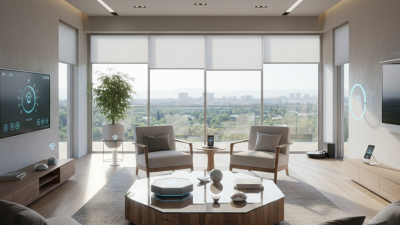
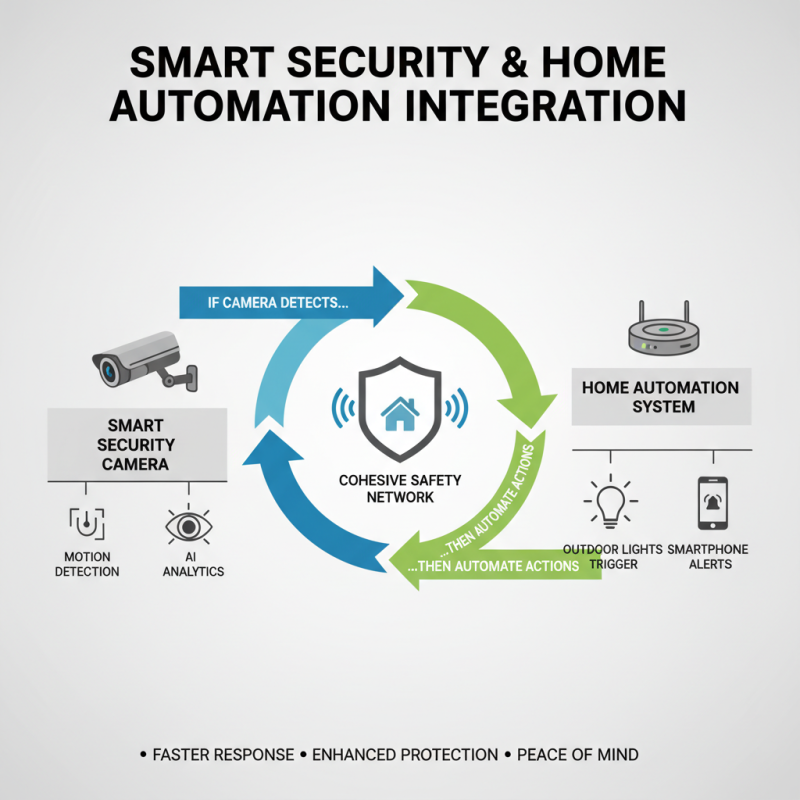
Integrating smart security cameras into home automation systems enhances your overall security experience. These cameras can connect with other devices, creating a cohesive safety network. For example, when a camera detects motion, it can trigger outdoor lights or send notifications to your smartphone. This synchronization helps homeowners respond promptly to potential threats.
However, the integration process can be complex. Different devices may use various protocols, making compatibility a concern. Some users find setting up systems overwhelming. A user-friendly interface is essential for smooth operation. The camera's resolution and field of view also impact effectiveness. High-definition footage helps you identify intruders clearly. But excessive data storage and processing may lead to slow system performance.
Another thing to consider is privacy. Cameras can inadvertently capture too much of your neighbor's property. Balancing surveillance and privacy is crucial. Regularly reviewing camera settings ensures they align with your security needs. Overall, integrating smart security cameras with home automation offers numerous benefits, yet challenges for users require careful attention.
User Privacy and Data Security Considerations for Smart Cameras
User privacy is a critical concern when considering smart home security cameras. With the rise of WIFI smart cameras, users must navigate the balance between security and personal data safety. These cameras often require a connection to the internet, enabling remote access and real-time monitoring. While this is convenient, it raises questions about who can access this data and how securely it is stored.
Cybersecurity risks are prevalent. Data breaches can expose personal information, leading to potential abuse. It's worth noting that many users underestimate the vulnerability of their devices. There have been incidents where hackers infiltrated home networks through inadequately secured cameras. Hence, choosing a camera with strong encryption and data protection features is essential.
Privacy policies should not be overlooked. Users often skip reading the fine print, which details how their data will be used. Some companies may even share this data with third parties. This lack of transparency can lead to trust issues. A well-informed choice can enhance the security of your home while protecting your privacy.
An In-Depth Guide to RF433Mhz+Wifi Wireless Remote Control Smart Switch and Wall Panel Transmitter for Modern Homes
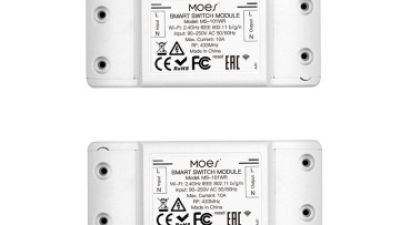
The rise of smart home technology has transformed modern living, making our environments more intuitive and responsive to our needs. A key component of this transformation is the RF433Mhz + WiFi wireless remote control smart switch and wall panel transmitter. Designed for seamless integration with home automation systems, this device not only enhances convenience but also significantly improves the user experience. According to a recent report from Research and Markets, the global smart home market is projected to grow at a compound annual growth rate (CAGR) of 27.1% from 2021 to 2028, highlighting a robust demand for easy-to-use smart devices.
The DIY WiFi smart switch allows users to control their home lighting and devices from anywhere using their smartphones or voice commands through compatible smart home assistants. The RF433Mhz technology ensures reliable communication over a broad range, enabling effortless control without the need for complex installation processes. This makes it an ideal choice for modern homes that seek efficiency and flexibility. A study by Statista found that approximately 60% of smart home users prioritize convenience and ease of use, which is precisely what these devices offer.
Furthermore, the integration of this smart switch with platforms such as Alexa and Google Home signifies a move towards a more cohesive smart ecosystem. Real-time actionable insights and remote functionalities make it easier for homeowners to manage their energy consumption and security, ensuring peace of mind while contributing to energy efficiency. With such innovative advancements in technology, homeowners are empowered to create a truly smart living environment, tailored to their unique lifestyles and preferences.
FAQS
: They enhance home security and provide peace of mind to homeowners.
Key features include reliable connection, ease of use, and high video quality.
Yes, they can capture clear footage even in low-light conditions.
Connectivity issues may arise, especially in remote areas with poor internet service.
Motion sensors detect changes and send alerts, enhancing home security.
Pets and passing cars can trigger false alarms, sometimes confusing the sensors.
Adjusting the sensitivity of the sensors can help reduce false alarms.
Connecting cameras to other devices creates a cohesive safety network, enhancing security.
Cameras may inadvertently capture too much of neighboring properties.
Regular reviews ensure that your settings align with evolving security needs and challenges.
Conclusion
In today’s rapidly advancing technology landscape, selecting the right Smart Home Security Camera is essential for ensuring the safety and security of your home. When choosing a camera, key features to consider include resolution, which plays a crucial role in the clarity of captured footage, and whether to opt for indoor or outdoor models based on your specific monitoring needs. Furthermore, understanding motion detection capabilities and alerts is vital for timely awareness of any intrusions.
Integrating these cameras with existing home automation systems can enhance their functionality, creating a more cohesive smart home environment. However, it is equally important to address user privacy and data security concerns, as these cameras can collect significant amounts of personal information. By taking these factors into account, global buyers can make informed decisions when investing in Smart Home Security Cameras.