In today’s constantly changing world of renewable energy, the role of a Low Frequency Inverter really can’t be overstated. I remember industry expert Dr. Mark Thompson from GreenTech Solutions mentioning once that choosing the right inverter is key to squeezing out the most energy efficiency. It kind of hits home — as a business owner, you really need to think about which wholesale inverter to go with, especially if you’re looking at options from China.
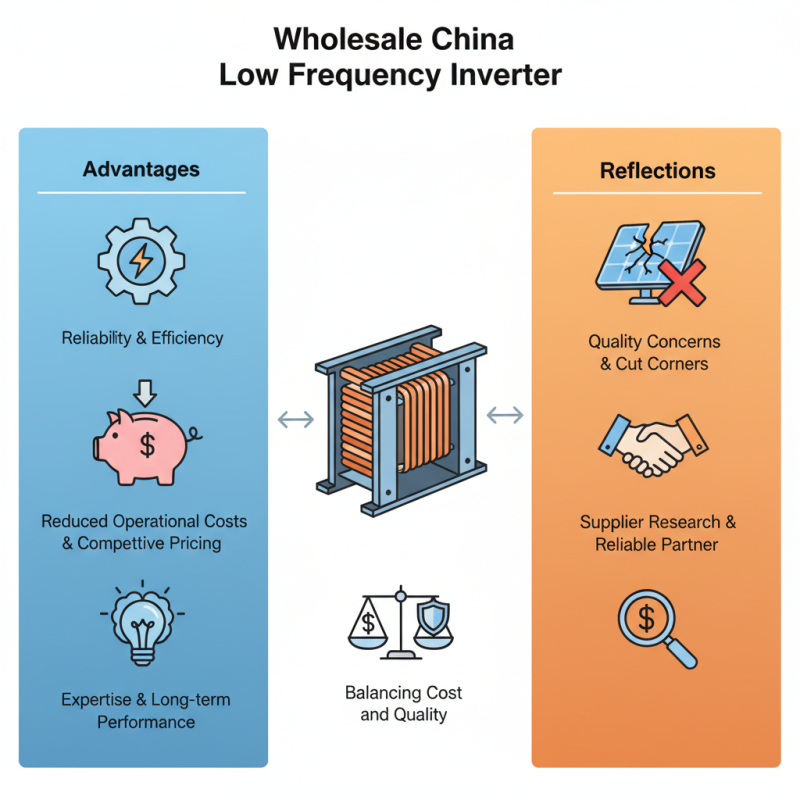
Going with a wholesale Low Frequency Inverter from China has its perks. These gadgets are known for their reliability and efficiency. They can help your business optimize energy use and cut down on running costs. Plus, vendors often offer pretty competitive prices, making them a smart choice for different kinds of operations. The quality you get from these products can also make a big difference when it comes to performance and how long they last.
That said, it’s worth reflecting a bit. Not every manufacturer out there guarantees top-notch quality. Some might try to cut corners to save a buck, and that can cause problems later on. So, it’s super important to do your homework and research your suppliers thoroughly. Picking a trustworthy partner can really boost your chances of success. Finding that sweet spot between cost and quality is key when you’re making this kind of decision.
Understanding Low Frequency Inverters: Definition and Functionality
Low frequency inverters are crucial components in various electrical systems. They convert direct current (DC) from batteries or solar panels into an alternating current (AC) that powers other devices. Unlike high-frequency inverters, low frequency models handle larger loads more efficiently. This efficiency is particularly beneficial for businesses needing reliable and stable power supply.
When considering low frequency inverters, understand their key functionalities. They provide better load handling and are more durable for long-term use. These inverters often come with built-in safety features, ensuring protection against overloading and overheating. This makes them ideal for industrial use or large-scale solar installations.
Tip:Ensure The Inverter matches your business's power requirements. Calculating your total load helps in selecting the right model.
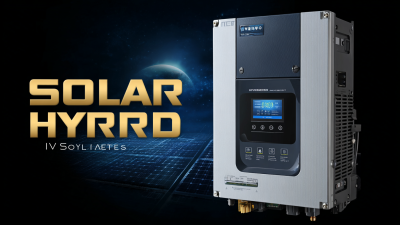
Additionally, look for inverters with pure sine wave output. Low Frequency Pure Sine Wave Hybrid Solar Inverter offers a smoother operation for sensitive electronics. They reduce the risk of damage to equipment, providing a more consistent energy flow.
Tip: Regular maintenance checks on your inverter can prolong its lifespan. Keep an eye on the battery levels and connections for optimal performance.
The Advantages of Wholesale Purchasing from China for Inverters
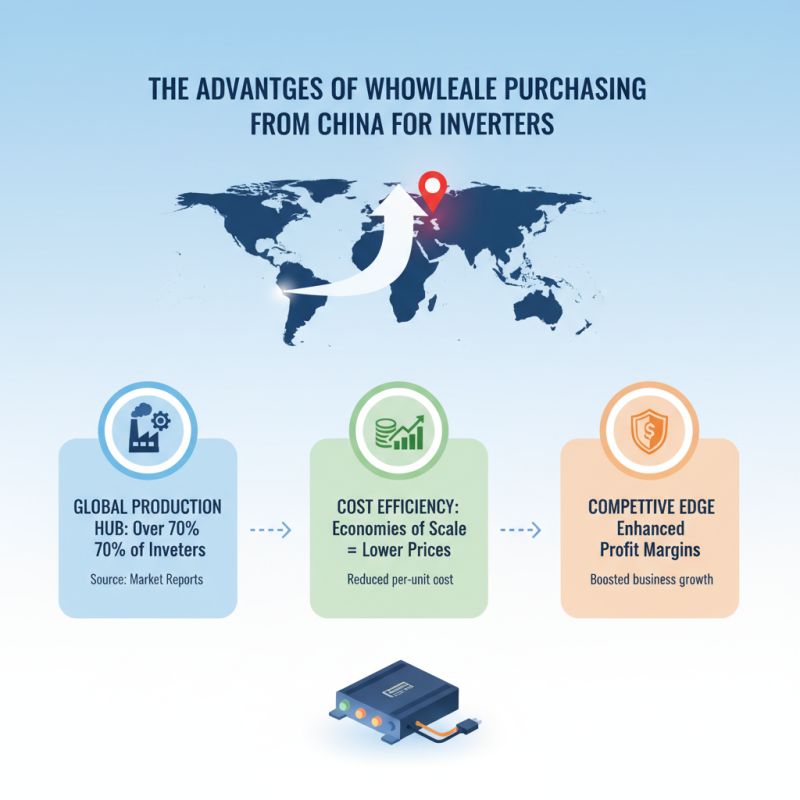
When considering purchasing inverters, the wholesale option from China offers significant advantages. Market reports reveal that over 70% of global inverter production comes from China. This statistic underscores the country’s pivotal role in the inverter supply chain. By opting for wholesale purchases, businesses can tap into lower prices resulting from economies of scale. The reduced costs often enhance profit margins for companies, giving them a competitive edge.
Quality control in Chinese manufacturing has improved considerably. Many factories adhere to international quality standards. For instance, more than 80% of Chinese inverter manufacturers have obtained ISO certification. This credential signifies a commitment to maintaining high quality. However, businesses should remain vigilant. Not all suppliers meet the same standards, so choosing the right partner is crucial. Researching suppliers can help avoid pitfalls.
Additionally, logistical efficiencies are noteworthy. Shipping options allow for timely deliveries, keeping inventory fresh. However, unexpected customs delays can arise. Thus, constant communication with suppliers can mitigate such risks. Balancing cost-effectiveness with reliability demands careful planning. Businesses must weigh these factors meticulously to succeed in this competitive landscape.
Cost-Effectiveness: How Low Frequency Inverters Save Your Business Money
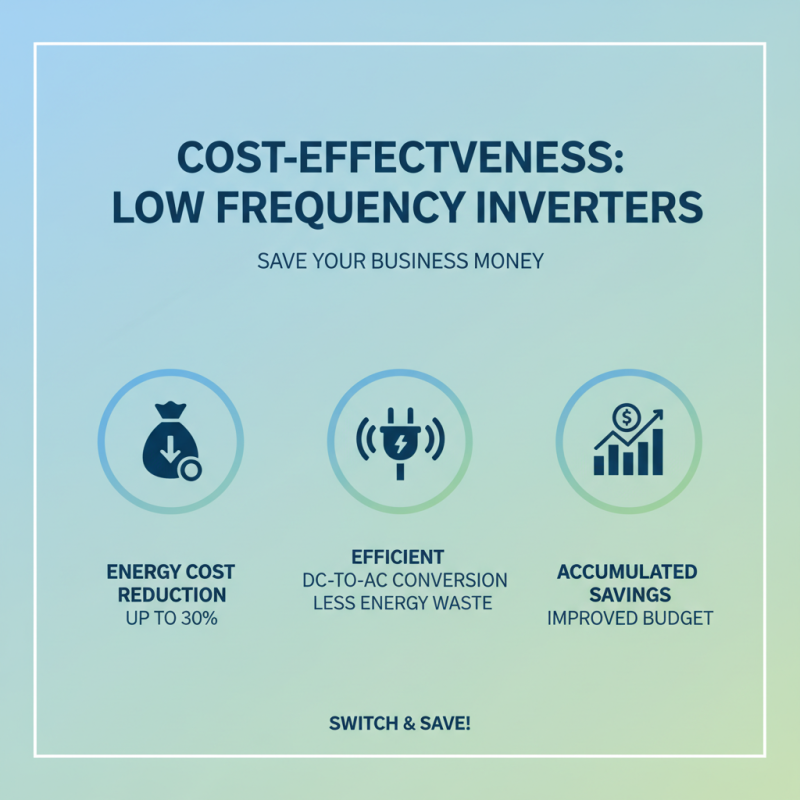
When considering cost-effectiveness, low frequency inverters stand out as efficient solutions for businesses. Research indicates that switching to these devices can reduce energy costs by up to 30% compared to traditional systems. They convert DC to AC efficiently, leading to less energy waste. In industries with high operational demands, these savings accumulate rapidly, enhancing overall budget management.
Additionally, low frequency inverters have longer lifespans than their high frequency counterparts. They typically last 10-15 years with proper maintenance. This reliability means fewer replacements and repairs. According to the International Energy Agency, improved durability in inverter technology can further contribute to lifecycle cost savings. Businesses can redirect these saved resources into other critical areas, providing growth opportunities.
Yet, while the benefits are clear, businesses must weigh their unique needs. Certain applications may still favor High Frequency Inverters for their compact size and weight. Each choice has trade-offs. Understanding specific operational requirements and power needs is vital for making informed decisions. Inverters should align with business goals to ensure optimal performance without overspending.
Reliability and Durability: Key Benefits of Low Frequency Inverters
Low frequency inverters offer significant advantages in reliability and durability, critical for any thriving business. These devices operate efficiently under varying load conditions. They usually have a longer lifespan than their high-frequency counterparts. This longevity can lead to reduced replacement costs and lower downtime.
The design of low frequency inverters often emphasizes robustness. They can withstand harsher environments, making them ideal for industrial applications. Many industries face challenges like dust, moisture, and fluctuating temperatures. A low frequency inverter is less likely to fail under these conditions. However, users should ensure regular maintenance to achieve optimal performance.
While the benefits are clear, choosing the right inverter isn't always straightforward. Businesses must consider power requirements carefully. It’s essential to match the inverter capacity to the load it will serve. Over-sizing or under-sizing can lead to inefficiencies. Seeking expert advice can help in making informed decisions, ensuring reliability in operations. Investing time in research is crucial for long-term success.
Why Choose a Wholesale China Low Frequency Inverter for Your Business? - Reliability and Durability: Key Benefits of Low Frequency Inverters
| Feature | Benefit | Application Area |
| High Durability | Long operational life under harsh conditions | Industrial machinery, outdoor applications |
| Stable Output Voltage | Consistent performance to protect sensitive equipment | Commercial and medical devices |
| Overload Protection | Safeguards against power surges | Manufacturing units, power supply systems |
| Energy Efficiency | Reduces energy costs in long-term operation | Renewable energy systems, commercial buildings |
| Easy Installation | Quick to set up, reducing downtime | Residential and small business applications |
| Versatile Compatibility | Works with various power needs | Multiple sectors including agriculture and telecommunications |
Application Range: Industries That Benefit from Low Frequency Inverters
Low frequency inverters are increasingly popular in various industries. They are particularly essential in manufacturing, agriculture, and renewable energy sectors. In a recent industry report, it was noted that demand for low frequency inverters is projected to grow by 7.2% annually until 2028. This growth rate suggests a shift in how businesses approach energy efficiency.
Manufacturers benefit significantly from low frequency inverters. These systems offer precise control over motor speed and torque. This can lead to a 30% reduction in energy consumption. In manufacturing processes, this means not just efficiency but also lower operational costs. Additionally, agricultural applications, such as in irrigation systems, utilize these inverters to optimize performance. They allow for smoother transitions between different operational states, enhancing both productivity and resource management.
The renewable energy sector is also a key area of application. With the world moving towards sustainable energy solutions, Low Power Inverters play a crucial role. They convert the variable frequency produced by renewable sources into stable power. This ensures that energy storage systems operate effectively. With increasing reliance on alternative energy, the role of these inverters is more vital than ever. However, businesses must carefully assess their unique energy needs to ensure compatibility and maximize benefits.
Application Range of Low Frequency Inverters
This chart illustrates the various industries that benefit from low frequency inverters, showcasing the number of units sold in each sector over the past year.
Choosing the Right Manufacturer: What to Look for in China
When selecting a manufacturer for wholesale low frequency inverters in China, several factors come into play. First, consider the manufacturer’s experience. A company with a solid track record can provide insight into production quality. Look for businesses that have been in the industry for several years. Their longevity often indicates reliability.
Next, assess their expertise in Low Voltage Inverter technology. Is their team skilled? Do they invest in research and development? A knowledgeable manufacturer will understand the latest trends and technologies, ensuring their products meet international standards. Additionally, it is wise to verify certifications. Quality assurance is paramount in this field.
Communication is another crucial aspect. A responsive manufacturer fosters smooth collaboration. If they are slow to answer your queries, reflect on that. If issues arise during production, would they be accessible? These details matter. Ultimately, a blend of experience, expertise, and effective communication can lead you to the right manufacturer.
Evaluating Performance: Factors to Consider When Selecting Inverters
When selecting a low frequency inverterfor your business, performance is crucial. The efficiency of An Inverter can vary significantly based on design and usage. According to recent industry reports,high-quality inverters can achieve efficiency ratings exceeding 95%. This means your investment may yield substantial energy savings, which is vital in today’s competitive market.
Longevity and reliability are also essential factors to consider. Some studies indicate that the lifespan of a good inverter can be around 10 to 15 years. However, not all products will meet this benchmark. Regular maintenance can extend life, yet many businesses overlook this aspect. Additionally, operational temperatures affect performance. If your inverter consistently operates in high temperatures, it can lead directly to premature failure.
Pricing often emphasizes initial costs rather than total cost of ownership. Cheaper inverters might attract attention but could lead to higher expenses over time due to inefficiencies and faults. Understanding the balance between upfront costs and long-term savings is critical. Moreover, it's necessary to recognize that not all applications are the same. Customization based on specific operational needs may require a deeper analysis than anticipated. Being informed leads to better decisions.
Maximize Energy Efficiency with MOES WiFi Smart Hybrid Solar Inverter: A Comprehensive Guide to Off-Grid Power Solutions
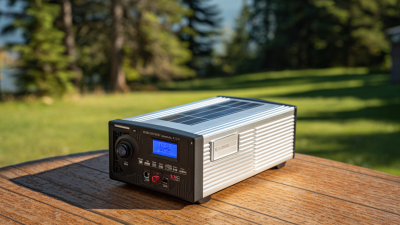
As the world increasingly shifts towards renewable energy, maximizing energy efficiency becomes critical, particularly for off-grid power solutions. A WiFi-enabled smart Hybrid Solar Inverter can serve as a game-changer, merging the roles of an inverter, solar charger, and battery charger into a single multifunctional device. According to recent industry reports, the global inverter market is projected to grow significantly, driven by the rising demand for energy-efficient solutions across residential, commercial, and industrial sectors.
The advantages of using a smart hybrid solar inverter are substantial. With a comprehensive LCD display and user-friendly button operations, users can easily configure settings such as battery charging current and AC charger priorities. This adaptability allows for optimal performance as per the energy requirements of different applications. Additionally, remote monitoring and control features enhance system management efficiency, enabling users to track performance and receive fault alerts from virtually anywhere. This level of connectivity is reshaping how users interact with their energy systems, aligning perfectly with the ongoing trend of digitalization in the energy sector.
Furthermore, the integration of WiFi technology in solar inverters not only enhances user experience but also provides critical data that can improve energy consumption patterns. Studies show that implementing smart energy solutions can reduce energy wastage by up to 30%, showcasing the potential financial and environmental benefits. As the need for reliable and efficient off-grid power solutions continues to rise, leveraging advanced technologies like smart hybrid solar inverters will be essential for achieving sustainable energy independence.
FAQS
: They convert DC from batteries or solar panels into AC to power devices.
They handle larger loads efficiently and provide stable power for businesses.
Built-in safety features prevent overloading and overheating, protecting equipment.
Ensure it matches your power requirements by calculating your total load.
Pure sine wave output provides smoother operation and protects sensitive electronics.
Regular maintenance checks and monitoring battery levels improve performance.
They are more robust and less likely to fail under dust, moisture, and temperature variations.
Consistently high temperatures can lead to premature failure of the inverter.
Cheaper upfront options can incur higher long-term costs due to inefficiencies.
Seek expert advice to ensure you make an informed decision based on your needs.
Conclusion
Low Frequency Inverters are essential devices that convert DC power to AC power, providing optimal functionality for various applications. Their significance in numerous industries underscores the need for reliable and durable energy solutions. Purchasing these inverters wholesale from China offers businesses a cost-effective advantage, enabling significant savings without compromising on quality. Moreover, the diverse application range of Low Frequency Inverters means they can cater to various sectors, enhancing operational efficiency.
When selecting the right Low Frequency Inverter for your business, it is crucial to evaluate manufacturers based on their reliability, performance, and the specific needs of your industry. By focusing on these factors, businesses can ensure they choose inverters that not only meet their operational requirements but also provide long-term value and efficiency.