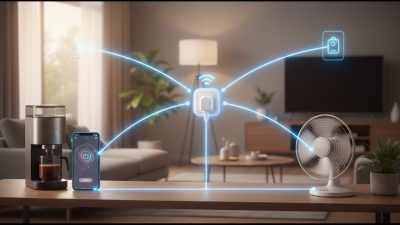
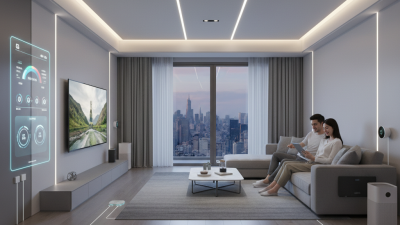
In today’s world of smart homes, the Wi-Fi Smart Plug has really become a game-changer. It’s funny, but these little devices are transforming the way we interact with our appliances completely. I was talking to John Davis, an expert in home automation (you might have heard of him), and he said, “Wi-Fi Smart Plugs give you way more control over your household devices than ever before.” That really captures the gist of these gadgets — they connect seamlessly to your Wi-Fi, letting you control everything from your phone, whether you’re home or out running errands.
Check out this MOES WiFi Smart Power Socket Plug. With something like that, managing your energy use gets way easier, and routines just become automatic. Imagine walking into your house and having the lights turn on by themselves, or waking up to your coffee brewing as your alarm rings — that’s the kinda stuff smart plugs make possible.
Of course, it’s not all smooth sailing. There are some little headaches too — like connection troubles or compatibility hiccups with older gadgets. Plus, while it’s super handy to rely on tech, sometimes I wonder if we’re losing touch with the physical world a bit. So, yeah, it’s all about finding that sweet spot — enjoying the convenience of Wi-Fi Smart Plugs without letting tech take over everything.
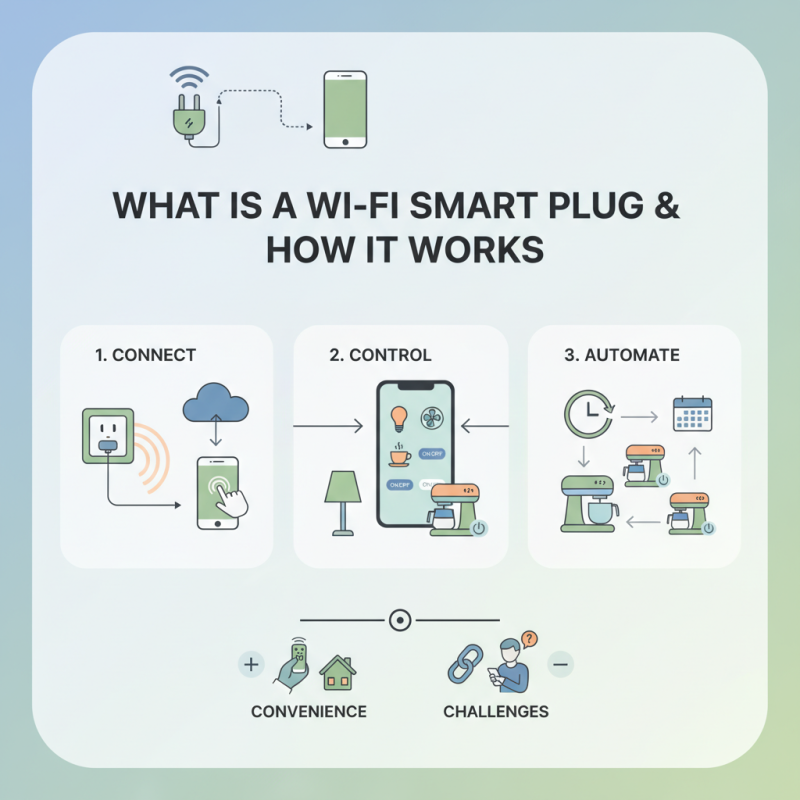
A Wi-Fi Smart Plug is a device that connects your traditional appliances to the internet. It allows you to control devices remotely through a smartphone app. With this smart technology, you can turn devices on or off from anywhere. Imagine being able to switch off your lights or coffee maker while you are still at work.
Using a Wi-Fi Smart Plug can enhance convenience. You can set schedules for your devices, making energy consumption more efficient. For instance, you can program your lamp to turn on at sunset. This helps in creating a cozy atmosphere while saving electricity. Always ensure your plug is compatible with your devices. Check the specifications before buying.
Tips: When installing a Wi-Fi Smart Plug, consider the location. It should not be in a spot with weak Wi-Fi signal. Poor connectivity can lead to disruptions. Regularly update the firmware. This increases security and optimizes performance. Lastly, do not overload the plug. Understand the power rating of your devices to avoid hazards.
Wi-Fi smart plugs are convenient devices that enable you to control your appliances remotely. These plugs connect to your home Wi-Fi network and can be controlled via mobile apps. You can turn devices on or off from anywhere, making it easier to manage energy consumption.
One key feature of Wi-Fi smart plugs is their scheduling capability. You can set timers for your devices. For example, your coffee maker can start brewing at your preferred time each morning. This feature can save you energy, but it may not always align with your daily routine. Another interesting aspect is the voice control compatibility. Many smart plugs work with voice assistants, allowing hands-free operation. However, this can create dependency on technology.
Energy monitoring is another crucial feature of these plugs. They provide real-time data on how much electricity your devices use. This information can guide you in making better choices about energy usage. Yet, if you rely solely on these insights, you might ignore other energy-saving practices. While Wi-Fi smart plugs offer innovative solutions, they also require thoughtful integration into daily life.
Wi-Fi smart plugs have gained popularity for their convenience and versatility in modern homes. These devices enable users to control appliances from anywhere using a smartphone or voice commands. They connect to home networks via Wi-Fi, allowing seamless integration with various Smart Home Systems. According to a report by MarketsandMarkets, the smart plug market is projected to reach $3.9 billion by 2025, reflecting an increasing trend in home automation.
When it comes to connectivity, Wi-Fi smart plugs operate by linking to the home’s wireless network. This connection is crucial for remote access. Many users value the ability to turn devices on or off while away. However, this reliance on Wi-Fi can lead to challenges. A weak signal may hinder performance. Furthermore, the potential for network congestion can also disrupt operations. These issues highlight the need for robust home Wi-Fi systems.
In contrast, technologies like Smart Plug Zigbee 3.0 provide an alternative. Zigbee connects through mesh networking, which can improve reliability. However, compatibility with existing devices can be a concern. Users must weigh the trade-offs between Wi-Fi and Zigbee solutions based on their specific needs. The choices are abundant, yet the right decision requires careful consideration.
This chart illustrates the percentage of households using Wi-Fi smart plugs across different regions in 2023. The data reflects the growing trend in home automation and energy management.
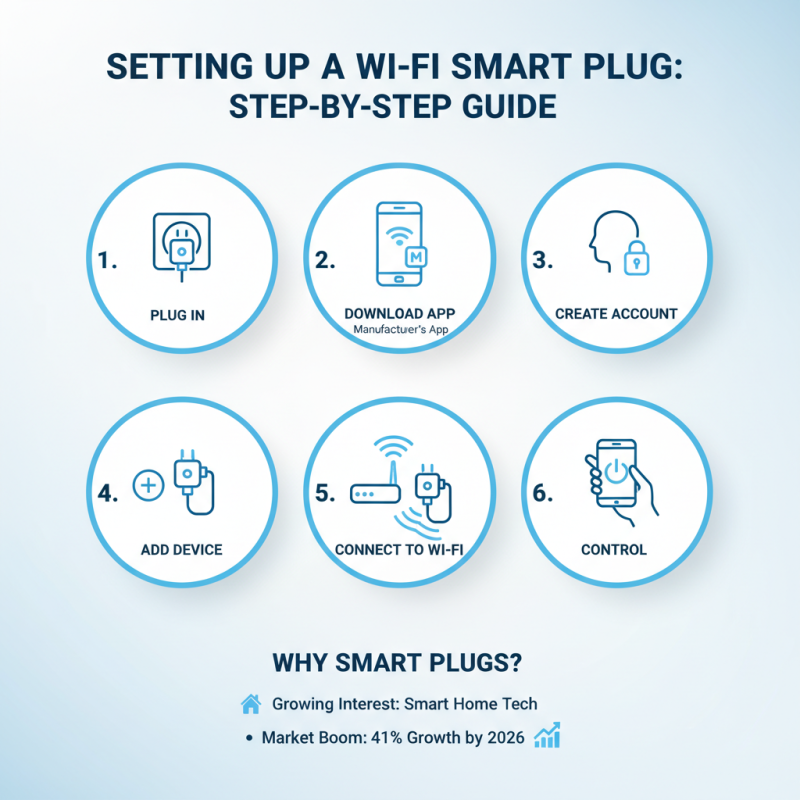
Setting up a Wi-Fi smart plug can seem daunting. However, with the right steps, it becomes a straightforward task. Research indicates that smart plug sales have surged, with a projected growth of 41% by 2026. This demand reflects a growing interest in smart home technology among consumers.
Start by choosing the ideal location for your smart plug. Ensure the outlet is within range of your Wi-Fi network. Plug the device into an available outlet. Download the corresponding app on your smartphone. Many smart plugs require this app for setup. Connect the plug to your Wi-Fi network through the app. Input your network credentials carefully; a misspelling can hinder connection.
After setting up the Wi-Fi, test the device. Make sure it responds reliably to commands through the app. Often, users encounter issues at this stage. Some struggle with device recognition. Data from market analysis shows that 30% of smart home users face connectivity problems. Regularly updating firmware can help improve connectivity. For some, the initial excitement fades if setup doesn’t go smoothly. Adapting to new technology takes patience and practice.
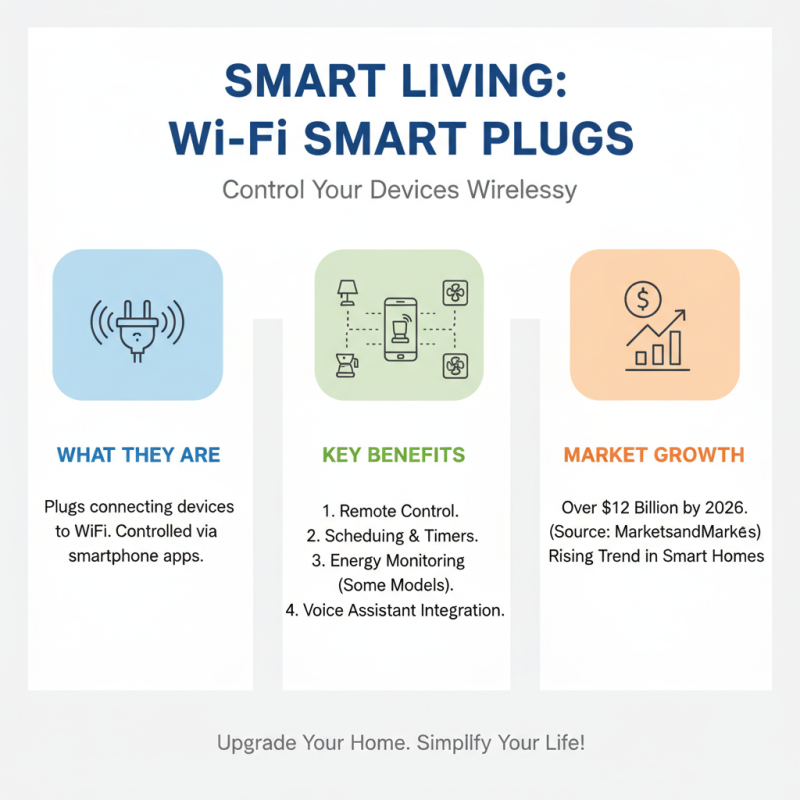
Wi-Fi smart plugs have become popular in smart homes. They offer a convenient way to control devices remotely. According to a report by MarketsandMarkets, the smart plug market is expected to grow to over $12 billion by 2026. This indicates a rising trend in integrating smart technology into daily life.
Using apps, you can manage multiple devices connected to a Wi-Fi smart plug. Imagine turning off your coffee maker while at work. Or, adjusting the lights at home from anywhere. This level of control enhances convenience but may not suit everyone. Some users experience connectivity issues or find the setup complicated. Additionally, relying on apps means depending on your smartphone's battery, which can be limiting.
Data from Statista shows that 60% of smart plug users appreciate the energy savings. These plugs help optimize power usage. However, concerns remain about data privacy and security. Users should be cautious with personal data when connected to Wi-Fi networks. Balancing convenience with security is essential in this evolving landscape.
Wi-Fi smart plugs have become popular for their convenience and efficiency. These devices connect to your home Wi-Fi network, allowing you to control appliances remotely. Imagine being able to turn on your coffee maker before getting out of bed. This simple act can rescue you from morning chaos.
Using Wi-Fi smart plugs brings numerous benefits to daily life. They help save energy by allowing you to schedule when devices turn on and off. You can cut power to devices that you forget to switch off, reducing your energy bills. Try placing these plugs on lamps. Set them to automatically turn off at night. You may find that you sleep better with the lights out.
Here are some tips for getting the most out of your Wi-Fi smart power socket plug. First, start with a few devices. Adding too many at once can be overwhelming. Next, use group controls for devices, like all your lights. This saves time and effort while creating ambient settings. Lastly, remember to check your network’s stability. Frequent connectivity issues can frustrate your smart home experience. Experiment with different placements to avoid this. The journey to smart living offers learning opportunities and improvements along the way.
Wi-Fi smart plugs have become popular in smart homes. They offer convenience, but they can also present challenges. Common issues often arise during setup or connectivity. Interference from other devices can disrupt their performance. A Smart Home Survey found that about 25% of users report connectivity issues. This alone can be frustrating.
Another common problem is the occasional failure to respond to smart assistants. This can be a simple oversight, like a weak Wi-Fi signal. Smart plugs depend heavily on a stable connection. According to industry reports, around 38% of users face delays or drops in response time. Understanding how to troubleshoot these issues is key. Users should check their Wi-Fi strength regularly.
To address these problems, users can reset their devices frequently. Power cycling the Wi-Fi router might solve connectivity issues. Additionally, consider placement. A distance from the router can hinder performance. Users in dense living areas, like apartments, may suffer more. For a reliable option, looking into manufacturers like China Top Wifi Smart Plug Factory might be worthwhile. Ensuring firmware is updated can also enhance performance.
: They let you control appliances remotely through a mobile app. You can turn devices on or off from anywhere.
You can set timers for your devices. For example, a coffee maker can brew at a specific morning time.
While it offers hands-free operation, it may create dependency on technology and reduce manual control.
It provides real-time data on electricity usage, which helps in making informed energy choices.
Some struggle with connectivity problems or find setup complicated. Others rely heavily on smartphone batteries.
Yes, they allow you to schedule devices, preventing energy waste and reducing electricity bills.
Start with a few devices to avoid overwhelm. Use group controls for convenience and check network stability.
Yes, users should be cautious about personal data when using Wi-Fi networks for smart plugs.
No, adding too many plugs can be overwhelming. Take your time to integrate them into your routine.
You might overlook traditional energy-saving practices and become overly dependent on your devices.
A Wi-Fi Smart Plug is a versatile device that allows users to control their household appliances remotely through a smartphone app or voice commands. It connects to home Wi-Fi networks, enabling seamless integration with smart home systems. Key features include programmable timers, energy monitoring, and compatibility with virtual assistants.
Setting up a Wi-Fi Smart Plug involves following a simple step-by-step process, making it accessible even for beginners. Once connected, users can conveniently control devices, enhancing daily life with automation and energy efficiency. However, users may encounter common issues such as connectivity problems, which can often be resolved with troubleshooting tips provided in user manuals. Overall, the use of Wi-Fi Smart Plugs transforms traditional appliances into smart devices, promoting greater convenience and energy management in the home.