What Are the 5 Best Off Grid Inverter Systems?
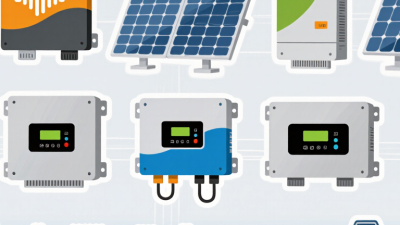
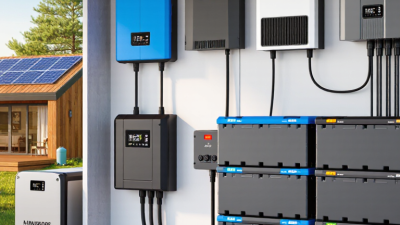
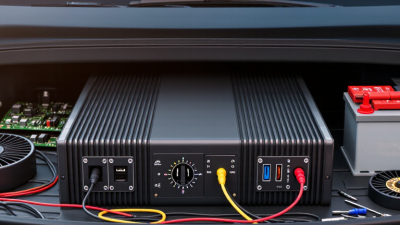
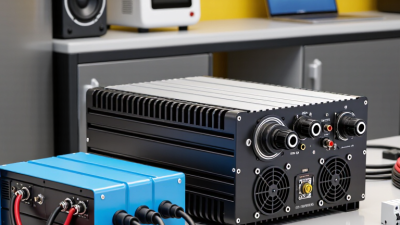
Picking the right off-grid inverter isn't as simple as just comparing wattage and price tags. Honestly, you've got to think about how it fits with your battery bank, solar setup, generator, and even your daily energy habits. And let's not forget those tricky moments—like when your fridge kicks on at midnight, or your water pump suddenly draws more current. That's where a good inverter really proves its worth. Will Prowse—you know, the guy who teaches everyone about off-grid solar—likes to drop a piece of advice that seems deceptively simple: 'Measure your real loads before choosing your inverter.' Sounds easy, right? But it actually saves you from some pricey mistakes. I mean, you'd think a big inverter is the safe choice, but nope—it burns extra power just sitting there, all that standby consumption. And if you go too small, well, you might find yourself in the dark when you turn on the microwave and the TV at the same time. So, yeah, measure first, then choose. So, we're going to take a look at some of the best off-grid inverter brands out there – Victron Energy, Schneider Electric, OutBack Power, EG4, and Magnum Energy. Each one has its own spin on system control, which is kind of cool. Some are all about that advanced monitoring, while others focus on heavy surge capacity, easy repairability, or just making installation a breeze. But here's the thing: the best off-grid inverter system for you really depends on where you live, what batteries you're using, your climate, and how tech-savvy you feel. You know, when you're setting up a system for a remote cabin, you really want to make sure it's got clean power, charging that doesn't flake out, and protection settings that actually make sense. And here's the thing – if something does go wrong, it has to be easy to figure out what happened. That part is crucial, honestly. Because out in the middle of nowhere, you can't just call a tech support guy to come fix it. So yeah, that understandability is a big deal. We also took a close look at how each one performs as a Home Inverter System, especially when you really need reliable backup power or want to make the most of your own solar generation. And honestly, no system is flawless—even the big-name models can throw you a curveball. You might need to fiddle with the programming, pair them with just the right batteries, and have a pro handle the installation. Plus, what works in the lab doesn't always translate perfectly to real-world conditions, so don't be surprised if actual performance isn't quite the same as the spec sheet. So here's the thing—this comparison isn't just about those eye-catching numbers. It's more about the real-world experience: what it costs to keep it running, how much hassle the maintenance is, and whether it'll still be running strong years down the line.
Read more »